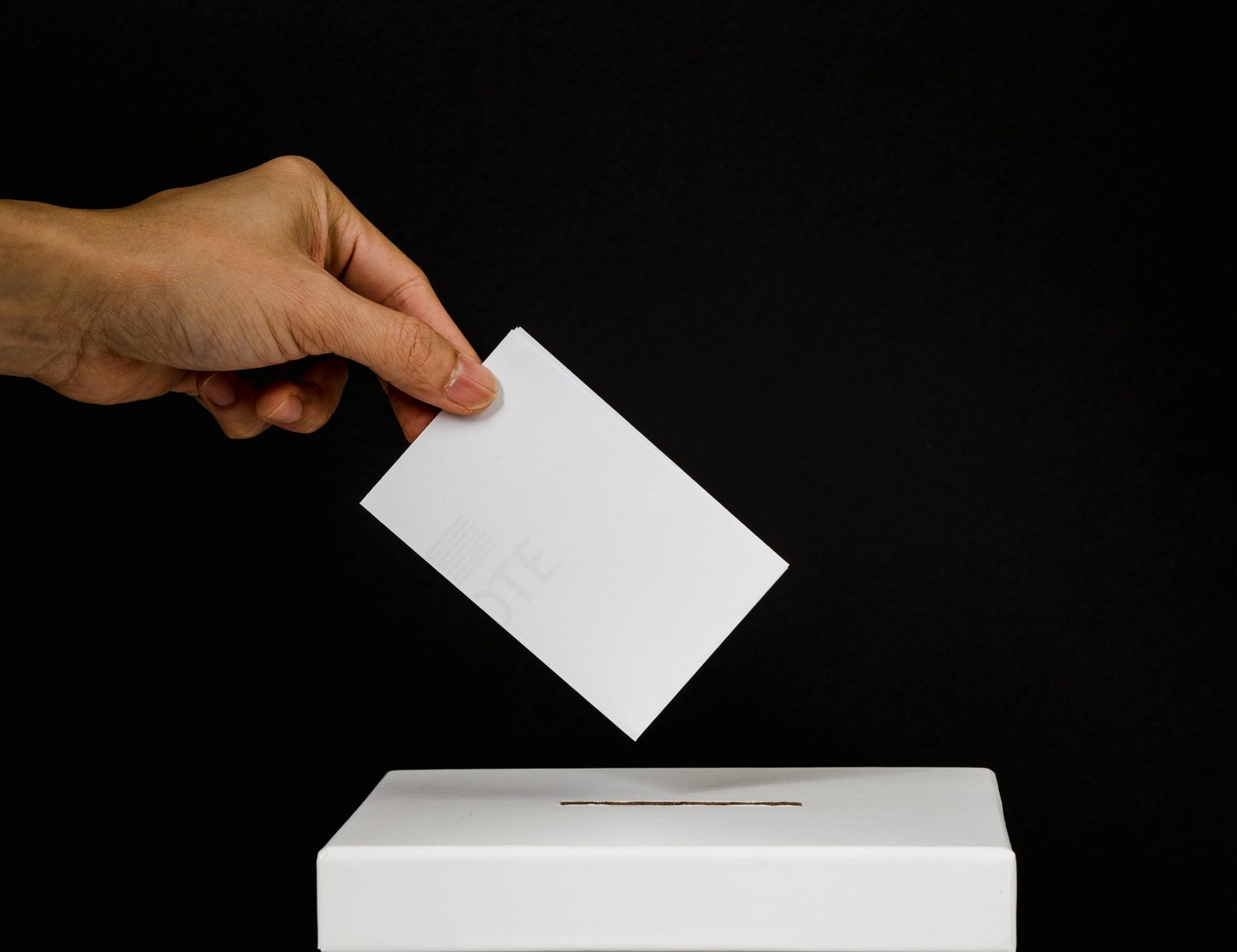
Santo Domingo.- The debate over whether to lift the ban on voting for members of the military and police has resurfaced in the Dominican Republic following a proposal by Constitutional Court Judge Sonia Díaz. The country is among the few in Latin America—alongside Colombia, Guatemala, Honduras, and Paraguay—that still prohibits armed forces personnel from exercising their right to vote.
In contrast, nations such as Argentina, Chile, Ecuador, and Peru have reinstated or maintained military suffrage, while continuing to prohibit active-duty members from engaging in political activities or running for office. The United States also allows military voting, ensuring personnel can cast ballots without expressing political opinions publicly.
A study by the Dominican Political Observatory (OPD-Funglode), titled “Military and Police Voting in the Dominican Republic,” notes that proposals to restore voting rights for uniformed personnel have emerged periodically since 2013. The most recent initiative, backed by the PQDC, PCR, and BIS parties, suggests enabling special polling stations for military and police voters while maintaining service continuity.
Historically, the Dominican Constitution of 1844 granted suffrage to army and navy officers, a right that remained until 1924, when it was revoked. According to OPD-Funglode, 11 out of 16 Latin American countries currently allow military and police voting, though most restrict political affiliation. The study concludes that maintaining the ban helps preserve institutional neutrality and protect the armed forces from political polarization.
With all due respect. Members of the military and law enforcement are in fact citizens of the republic. As such they should be afforded all of the rights granted all citizens under the constitution. However, to prohibit direct political affiliation is prudent. In the US we have the Hatch Act which restricts political activities by all federal employees including the military. Just my thought for what that may be worth.