
Why concerns over forced labor could affect Dominican Republic exports


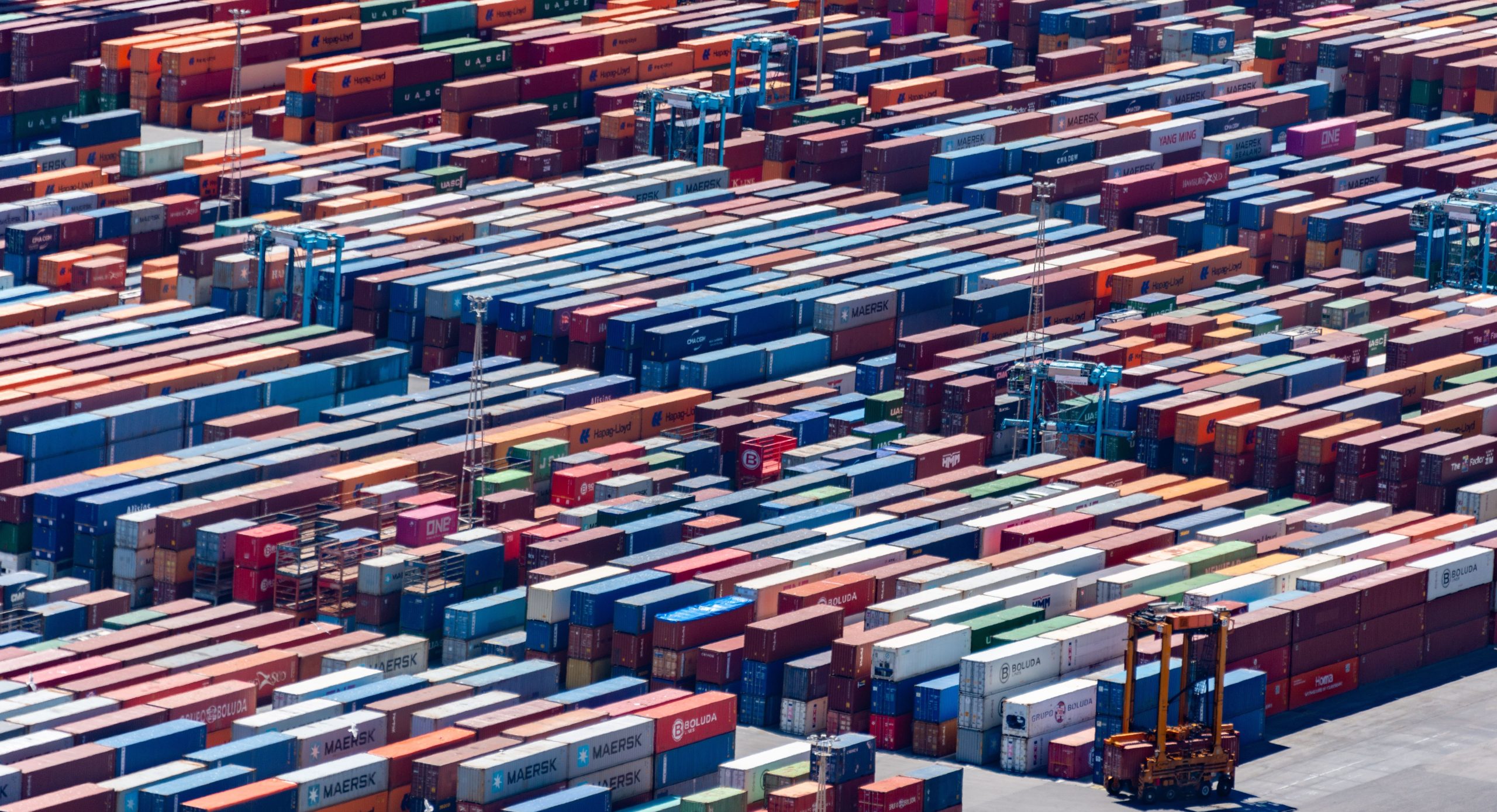
The Dominican Republic faces increased trade scrutiny after the U.S. Trade Representative (USTR) included the country in an investigation examining whether nations are doing enough to prevent forced labor within global supply chains. The review could eventually lead to additional tariffs on imports from countries found to have insufficient labor oversight, raising concerns for Dominican exports to the United States.
The issue is particularly significant because the U.S. remains the Dominican Republic’s largest trading partner. In 2025, the country exported a record US$14.6 billion in goods, with nearly half—US$7.1 billion, or 48.6%—destined for the U.S. market. The potential impact is even greater for the nation’s free trade zones, which accounted for more than US$6.3 billion in exports to the United States and serve as a key driver of employment, foreign investment, and economic growth.
If Washington ultimately imposes tariffs similar to those proposed for other countries under review, Dominican exporters could face hundreds of millions of dollars in additional annual costs. Industries such as medical devices, pharmaceuticals, electronics, textiles, and tobacco products would be among the most affected. However, the USTR investigation could also create new opportunities for the Dominican Republic. Potential tariffs on Asian manufacturing competitors may accelerate nearshoring, encouraging U.S. companies to relocate production closer to North America. Thanks to its strategic location, DR-CAFTA trade benefits, and well-established free-zone sector, the Dominican Republic is positioned to attract investment and manufacturing operations seeking alternatives to Asia. U.S. officials have indicated that the investigation is expected to conclude in the coming weeks, making labor compliance and supply-chain traceability increasingly important factors for maintaining access to the American market.