
Experts warn of a lack of awareness about lightning safety


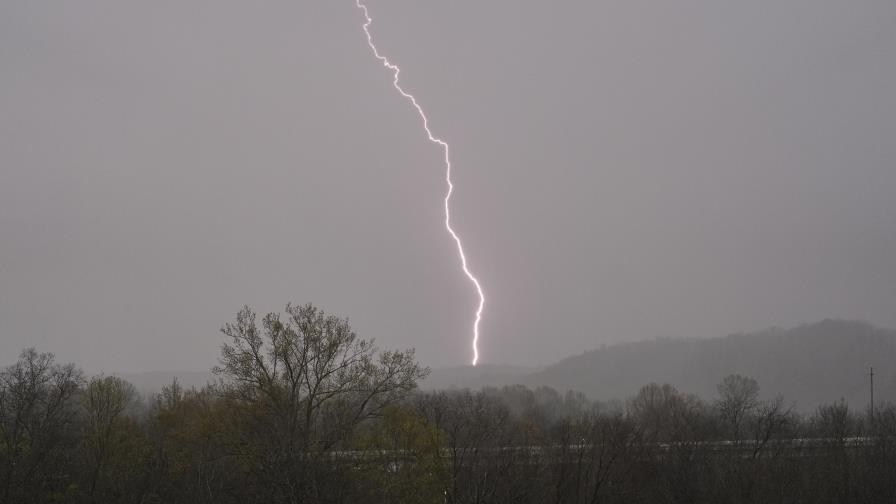
They warn that the main cause of accidents and deaths is not a lack of technology, but people’s exposure during thunderstorms.
Every year, thunderstorms cause fatalities, damage to homes, service disruptions, and economic losses in various countries. However, according to lightning protection specialists, many of these consequences can be avoided through preventive measures, education, and compliance with international technical standards.
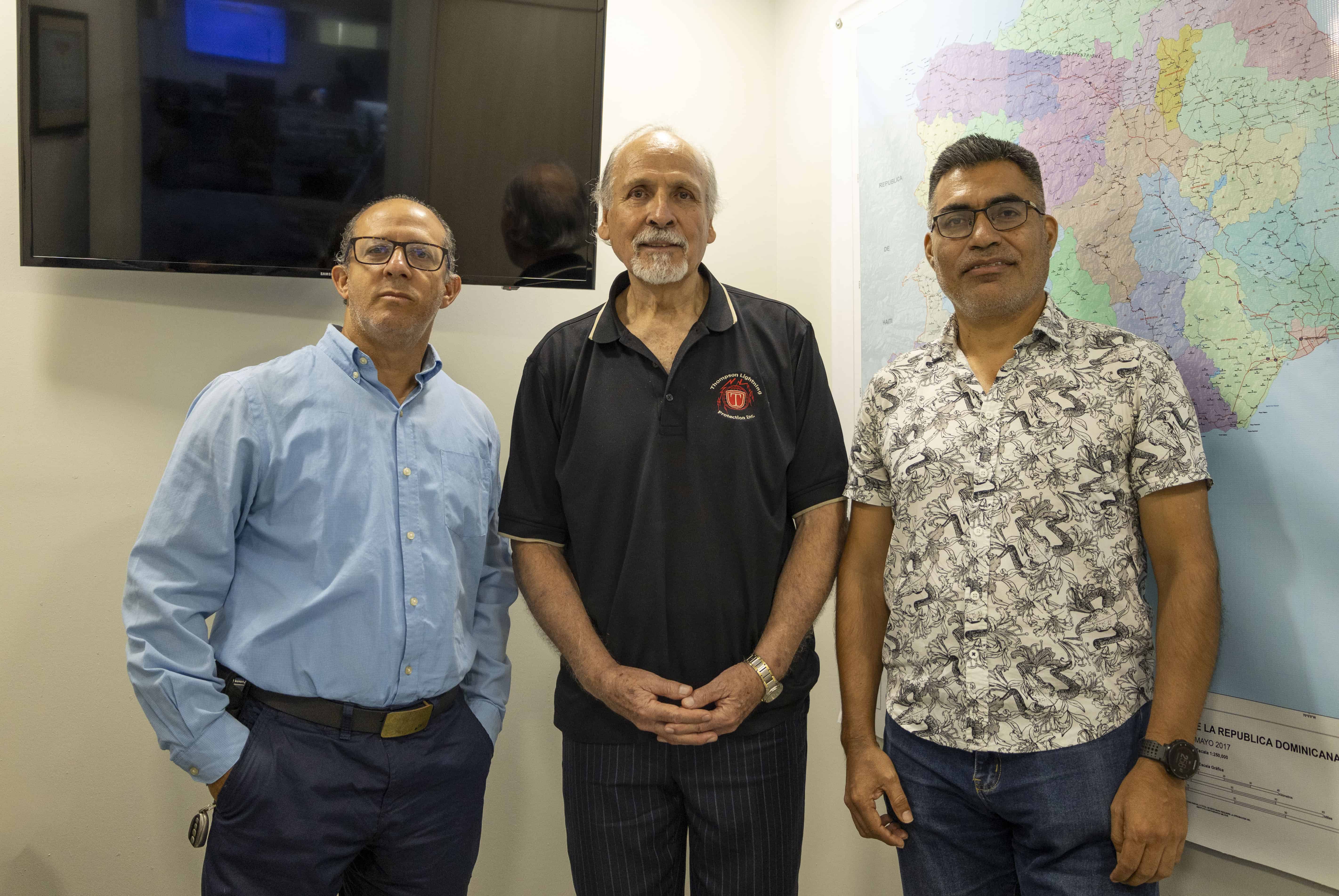
During an interview at a seminar on lightning protection, electrical engineers José González, Lizardo López, and Jorge Noé, members of the Latin American Association for Lightning Protection Education, warned of the need to strengthen the culture of prevention against a natural phenomenon that remains underestimated.
Experts warned that many buildings in the Dominican Republic lack adequate systems to protect themselves from lightning and pointed to the need to strengthen the application of technical standards and preventive education to avoid loss of life and material damage.
“The worst thing is being outside (during a thunderstorm ) because you can be directly struck or by a problem called step voltage , which is when a lightning bolt, even if it strikes the ground a kilometer away, creates high voltage waves in the ground ,” explained López.
Experts stressed that, in the event of thunderstorms, the main protective measure is to seek shelter in a safe building and avoid being outdoors watching lightning or taking photographs.
González pointed out that the country lacks a widely implemented early warning system for thunderstorms, a tool they consider essential for reducing risks to the population. However, he stated that some mining projects do have a detection system, either satellite-based or local.
Lightning can cause damage miles away
Experts explained that one of the most common misconceptions is that lightning only causes damage at the point of impact.
“Lightning can strike within a five-kilometer radius and cause problems anywhere . That’s something that’s not widely known, and authorities in many Latin American countries aren’t implementing the appropriate measures,” Jorge Noé stated.
The specialist explained that lightning can release an extremely high amount of energy, so protection measures must aim to minimize its effects, both to avoid damage to buildings and, above all, to protect human life from dangerous power surges.
He indicated that anyone who remains outdoors during a thunderstorm is at risk of injury if lightning strikes nearby. Therefore, he recommended seeking shelter as soon as a storm is detected.
He explained that a building is a safe place, even without a lightning protection system, because it significantly reduces the risk of a lightning strike directly affecting people.
“The facility may be damaged, but humans are much more likely to survive without serious consequences ,” he said.
The expert added that, if you find yourself on the street and cannot reach a safe shelter, it is important to adopt a position that minimizes exposure to the phenomenon.
Among the recommendations he cited were keeping legs together and minimizing contact with the ground to avoid voltage differences that could be fatal.

The rules
Experts stated that they have observed lightning protection installations in the country that do not meet international standards, attributing this to a lack of technical knowledge and the use of commercially available devices without regulatory backing.
“What little there is is poorly installed. But not because the element itself is the problem, but because, unfortunately, whoever installed it was ignorant of the basic concepts: knowledge and regulations,” Jorge Noé stated.
They explained that the systems must be designed in accordance with internationally recognized standards, including the US NFPA 780, IEC 62305, and LPI 175, which establish specific criteria for the location, dimensions, and characteristics of protection components.
Furthermore, the specialists rejected the existence of technologies capable of “dissipating,” “canceling,” or “eliminating” rays, stating that these claims lack technical support.
Therefore, he emphasized that the effectiveness of a protection system depends on both the regulatory framework adopted and the technical knowledge of those who design and install it.
These statements were made during the international seminar “Theoretical and practical foundations of lightning protection,” organized by the Latin American Association for Lightning Protection Education, a US-based entity dedicated to promoting best practices and training in this field.
Early warning systems can save lives
González explained that the country currently has systems capable of detecting and monitoring atmospheric electrical activity, including satellite observation mechanisms used by specialized international organizations.
However, he specified that “the warning” is practically the first measure to safeguard lives.
He indicated that these systems, already used in countries such as Colombia and Germany, provide early warnings of thunderstorms, an important tool for reducing risks and activating preventive measures.
However, he considered that, beyond detection technology, the fundamental thing is that the population knows how to act in the face of such a phenomenon.
In that regard, he pointed out that both the general public and people who work in specific areas should be familiar with safety protocols outlining what to do when a thunderstorm is approaching or developing.
To illustrate the importance of these warnings, Jorge Noé recalled cases that occurred on beaches and tourist areas in Brazil and Peru, where the warnings were ignored, and deaths occurred that, in his opinion, could have been avoided.
Beyond infrastructure and economic losses, the expert insisted that the main reason to invest in lightning protection is to preserve human lives.
Noé argued that the most important asset of any company, institution, or family is its people, so any prevention strategy must begin by ensuring their safety.
” Everyone is responsible for their own safety ,” he reminded, emphasizing the need for the population to know how to act when a storm is approaching.
Solar panels are also a concern for specialists. They explained that, as metal structures typically located on roofs and other elevated areas, they act as a kind of “natural lightning rod” and are more vulnerable to lightning strikes if they lack adequate protection.In addition to its direct impact, lightning can generate overvoltages that can damage inverters and other high-cost electronic equipment associated with photovoltaic systems.Therefore, they recommended that all solar installations be evaluated by qualified professionals and that a lightning surge protection device be installed in accordance with its technical specifications.
Hospitals, schools, and churches must be a priority
Experts believe that authorities should prioritize the protection of sensitive infrastructure, such as hospitals, schools, churches, and other spaces with high concentrations of people, especially in areas with a high incidence of thunderstorms.
They also recommended conducting scientific risk assessments before installing any protection system and pointed out that it is wrong to install a system without prior analysis.
” First, we need to assess . The regulations we’ve cited have procedures for determining the potential problems, both now and in the future, with this type of installation, including lightning strikes , and what measures can be taken to mitigate those problems. All of this already exists, is already being done, and is being implemented,” they stated.
Finally, they called for strengthening the technical training of professionals and promoting public education campaigns on the safety measures that should be taken during thunderstorms.