
Dominican Republic activates emergency plan as El Niño increases drought threat


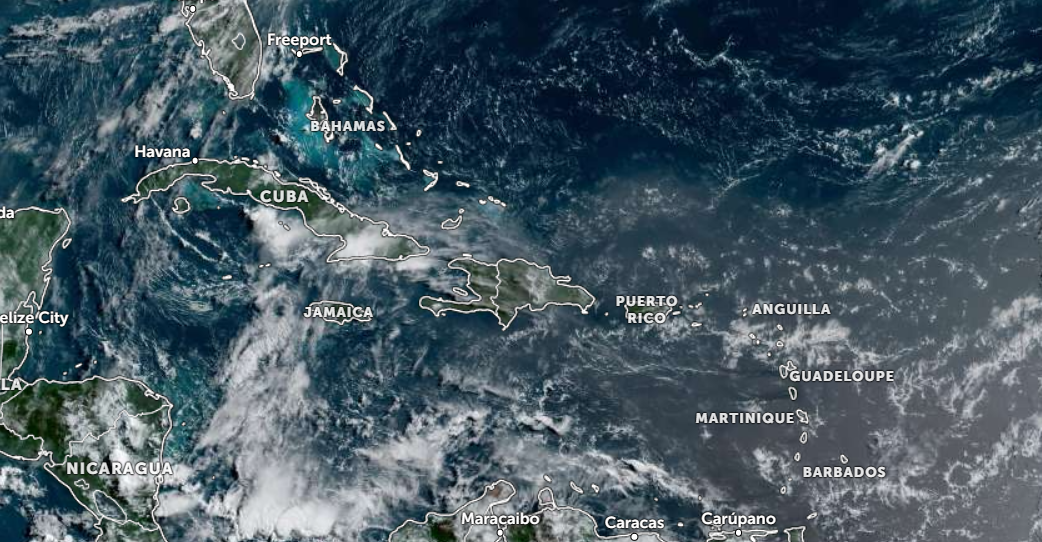
Santo Domingo.- The Dominican Republic is being urged to prepare for potential climate-related impacts as the El Niño phenomenon is expected to influence the 2026 Atlantic hurricane season, bringing a combination of reduced storm activity, higher temperatures, and increased risk of drought across the Caribbean region.
Climate experts warn that El Niño, caused by the warming of the Pacific Ocean, can alter global weather patterns by shifting warm air toward the Caribbean. In the region, its effects typically include prolonged drought conditions and above-average temperatures, while also suppressing the formation of tropical cyclones. However, meteorologists caution that the reduced number of storms does not eliminate the risk of major hurricanes.
For the 2026 Atlantic hurricane season, which runs from June 1 to November 30, forecasts predict between eight and 14 named storms. Of these, three to six could become hurricanes, including one to three major systems. If confirmed, the season would be classified as below normal, following last year’s thirteen-storm period, which also fell below the historical average.
The Dominican Republic has already activated its 2026 Cyclone Season Contingency Plan, launched at the Emergency Operations Center (COE) in the presence of President Luis Abinader. The president stressed that forecasts do not rule out the formation of powerful storms and emphasized the need for coordinated preparedness across all institutions.
He also announced upcoming meetings with the Governing Council and municipal authorities to reinforce prevention strategies, noting that the country must prepare not only for hurricanes but also for the broader effects of El Niño and climate change, including extreme heat, heavy rainfall events, and drought conditions.
The contingency plan included a simulation of a Category 4 hurricane response, during which the president instructed all state institutions to place resources at the disposal of emergency operations. Abinader praised the work of the Emergency Operations Center, the Dominican Institute of Meteorology (Indomet), and civil protection agencies for their preparedness efforts.
International projections, including those from the U.S. National Oceanic and Atmospheric Administration (NOAA), indicate that the current El Niño event could intensify further, with a 63% probability of reaching a “very strong” category between November 2026 and January 2027. Such conditions could reinforce rainfall deficits and prolonged heat across the Caribbean.
Meteorologists in the Dominican Republic have echoed these concerns, warning that El Niño typically reduces rainfall and increases the likelihood of meteorological droughts, particularly in the second half of the year and early months of the next. Experts have urged the population and key economic sectors to maintain a permanent culture of prevention.
The government has also begun implementing preventive measures beyond emergency planning. Water authorities confirmed that rationing measures are already being applied in anticipation of potential shortages, while the Water and Construction Committee continues weekly coordination meetings.
According to the National Institute of Hydraulic Resources (INDRHI), the country’s main dams currently stand at around 73% of capacity, providing short-term stability in water supply. However, officials caution that these levels could decline rapidly if prolonged dry conditions materialize.
As the country enters the peak of the hurricane season under El Niño conditions, authorities emphasize that preparedness remains essential, balancing the likelihood of fewer storms with the continued risk of extreme weather events and worsening drought conditions across the Dominican Republic.