
Dominican Republic to have more seniors than children by 2050, ONE projects


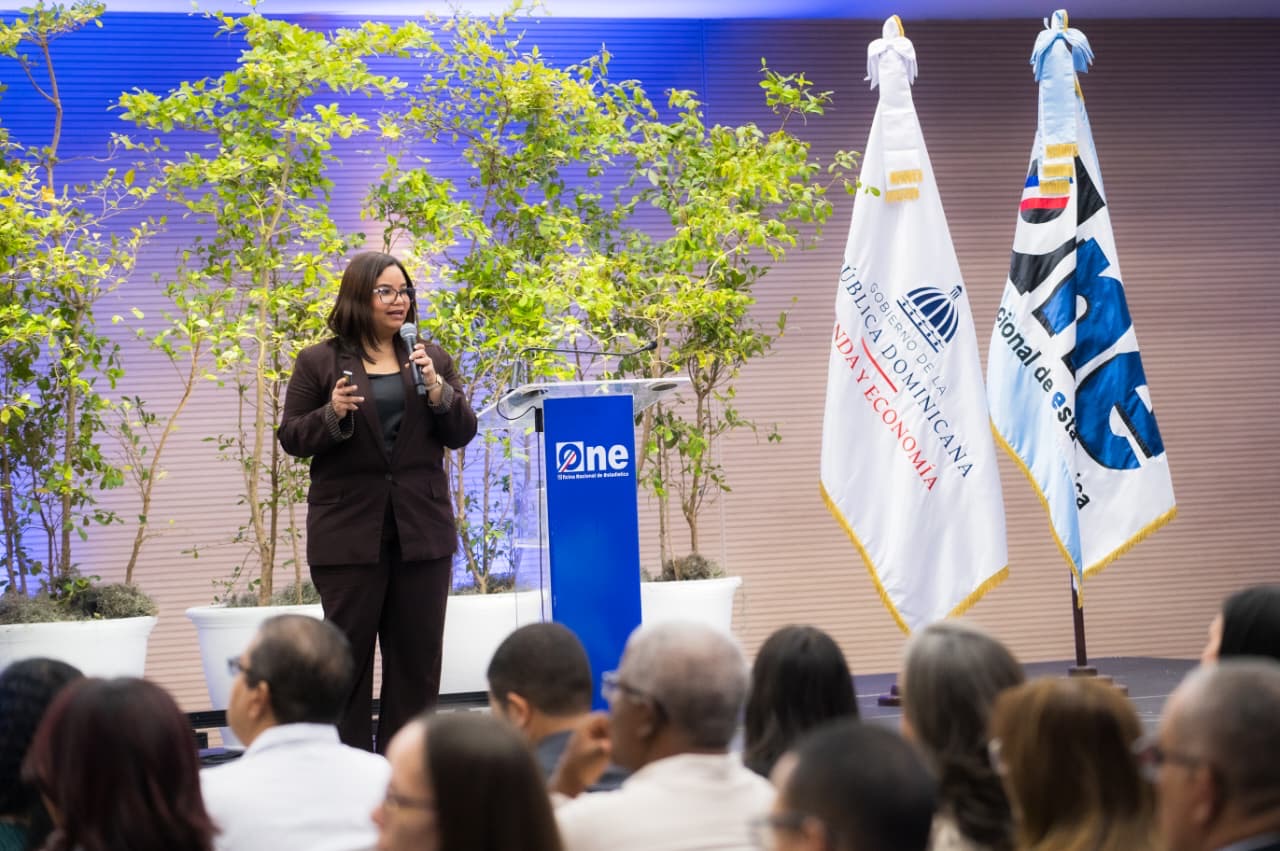
Santo Domingo.- The Dominican Republic is undergoing a major demographic shift marked by longer life expectancy, lower birth rates, and a rapidly aging population, according to new population projections released by the National Statistics Office (ONE).
The study estimates that life expectancy at birth will increase from 75.7 years in 2026 to 91.5 years by 2100, while fertility rates will remain below replacement level, falling from an average of 1.97 children per woman in 2026 to about 1.7 in the coming decades. As a result, the country’s average age is projected to rise from 32.9 years in 2026 to 51.6 years by the end of the century.
ONE projects that by 2050, the Dominican Republic will have more senior citizens than children for the first time in its history. The population aged 65 and older is expected to grow from 9% of the population today to 17% by 2050 and 36% by 2100, while the share of children under 15 will continue to decline. Population growth is expected to continue until the 2070s, peaking before gradually decreasing to about 11.9 million inhabitants by 2100.
The projections, developed with technical support from Latin American and Caribbean Demographic Centre (CELADE), also highlight a continued decline in adolescent fertility, slowing population growth, and a demographic window of opportunity that could last until around 2065 due to a relatively low dependency ratio. Officials said the findings will help guide long-term public policies as the country prepares for the economic and social impacts of population aging.