
196 cases of leptospirosis have been reported so far this year


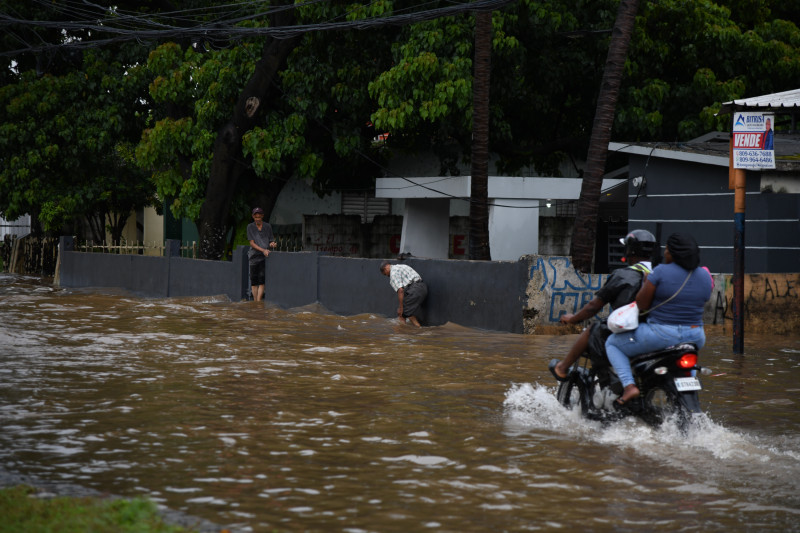
Leptospirosis is one of the diseases that is transmitted from animals to humans, mainly from infected rodents, and its incidence is linked to rainy seasons and floods.
From epidemiological week 24 to week 30, the National Epidemiological Surveillance System of the Ministry of Health recorded 30 cases of leptospirosis across the national territory.
Leptospirosis is one of the diseases that is transmitted from animals to humans, mainly from infected rodents, and its incidence is linked to rainy seasons and floods.
To date, a total of 196 cases and 15 deaths have been reported in 2026.
Authorities indicate that the localities with the highest percentage of cases were Puerto Plata, San José de Ocoa, and the National District.
Fever and chills, headache and muscle pain, nausea and vomiting are the main symptoms that characterize the disease.
On the other hand, malaria added one case to the list this epidemiological week 24, bringing the total to 98 confirmed cases. The provinces with the highest concentration are Azua and San Juan.
It is important to remember that mosquito bites can transmit this disease, and its symptoms include fever, chills, sweating, and general malaise.
The number of dengue cases has reached 138 confirmed cases since the beginning of the year. Authorities indicate that two dengue subtypes were most prominent during week 24: dengue D2, with two cases, and untyped dengue, with four. The cases were concentrated in Baní and La Romana.
Dengue is another mosquito-borne disease that manifests with high fever, headache, pain behind the eyes, muscle and joint pain, rash, and in severe cases, bleeding and other symptoms.
Regarding maternal deaths (MM) and infant deaths (MI), Public Health counts 58 of the former and 729 of the latter.
The report indicates that 32 infants and 27 newborns died in the past week. Of the mothers who died, 32 were Dominican and 25 were Haitian.
Severe acute respiratory infections ( SARI ) remain active in the country. Two cases of SARS-CoV-2 have been reported in the last week; one case of adenovirus and three cases of influenza A (H3N2). Influenza cases are “below expectations,” according to health authorities.
The Ministry assures that the incidence of respiratory viruses this week shows a stable behavior, with a transmission pattern that is “controlled and in accordance with the expected seasonality.”