

US mango import ban threatens Dominican producers with US$1.5 million in losses


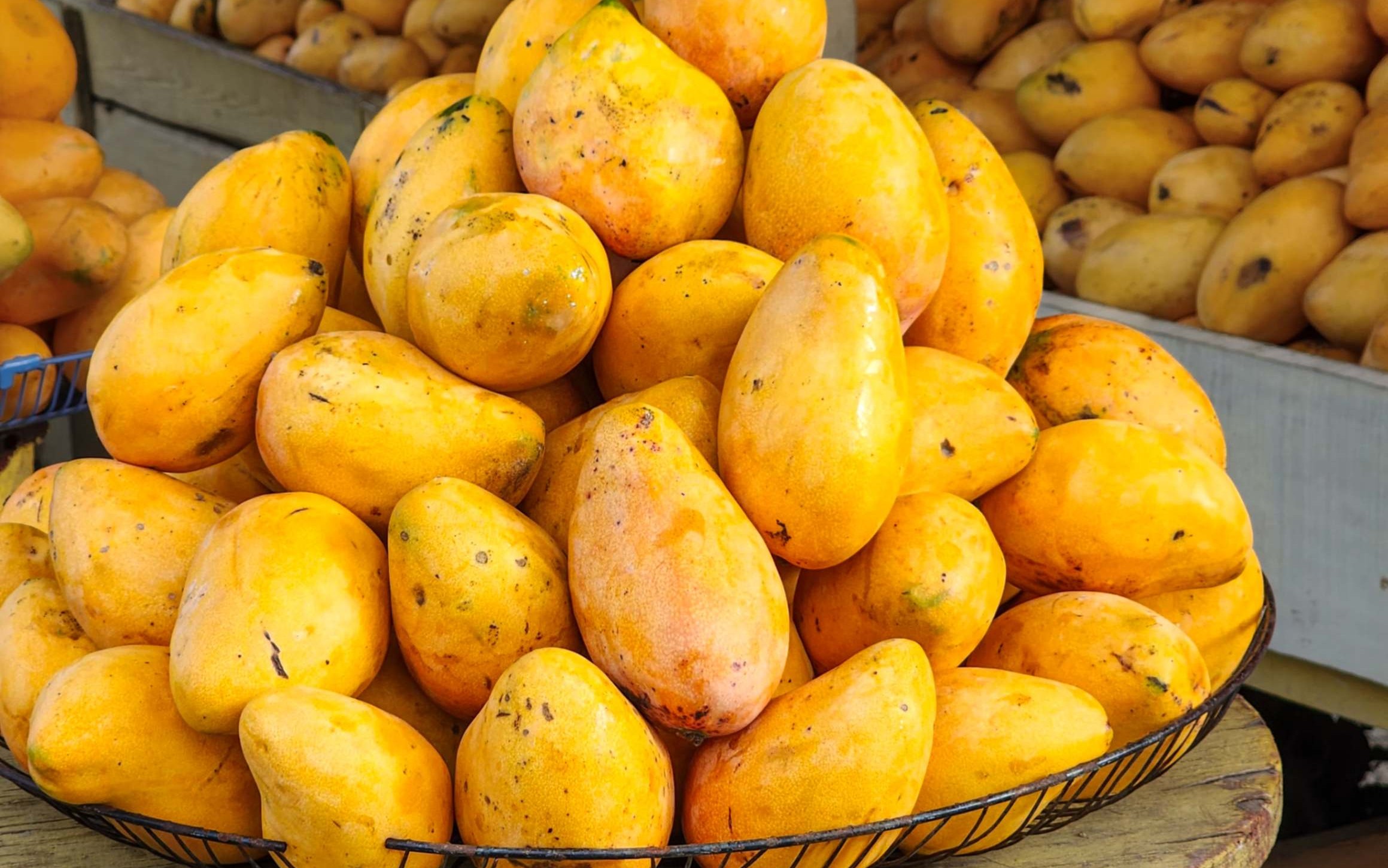
Baní, DR.- Mango producers in the Dominican province of Peravia are facing an estimated US$1.5 million (about RD$90 million) in losses after the United States suspended imports of Dominican mangoes following the detection of fruit fly-related phytosanitary issues.
The measure has disrupted exports during the final stretch of the harvest and affected around 100 producers in Baní, while also causing domestic mango prices to fall by about 50%, according to German Báez, president of the Banileja Association of Mango Producers (Abapromango).
Báez said the suspension halted shipments from one of the country’s six packing facilities, including 55 containers of the Mingolo variety scheduled for July and August and a separate order of 30 containers of Keitt mangoes destined for U.S. importer Woodman.
Sector sources familiar with a U.S. plant health inspection report said the ban followed the discovery of significant weaknesses in the country’s phytosanitary monitoring system. According to the report, inspectors found inconsistencies between field conditions and official reports, including insect traps showing fruit fly activity despite reports indicating no presence of the pest. Inspectors also documented improperly maintained traps and poor orchard sanitation, including large quantities of rotting fruit left on the ground, which can accelerate the spread of fruit flies.
Producers argue that they warned authorities about contamination hotspots as early as last year but that preventive measures were not implemented. They also blamed staffing shortages and inadequate resources for plant health technicians, alleging that some were owed months of back pay and lacked transportation support.
The crisis has raised concerns about the financial stability of the sector. During this year’s Expo Mango Banilejo, the Agricultural Bank reported outstanding loans totaling RD$496.4 million to mango producers in Peravia. Growers fear prolonged export restrictions could make it difficult to meet those obligations and affect hundreds of families that depend on mango production.
Despite the setback in the U.S. market, producers noted that exports of Keitt and Kent mangoes to Europe remain unaffected, with shipments expected to reach 9 million boxes this year.
The Ministry of Agriculture has responded by launching a 12-month Integrated Management Plan based on Good Agricultural Practices and Integrated Pest Management. The initiative, which will run from July 2026 to July 2027, aims to control the fruit fly population, strengthen phytosanitary surveillance, and restore confidence among international trading partners.
Meanwhile, producer organizations are urging authorities to adopt additional measures, including improved monitoring systems, georeferenced pest traps, community cleanup campaigns to remove fallen fruit, and greater support for processing mangoes into value-added products such as juices, pulp, and preserves to reduce dependence on the U.S. export market.


“They also blamed staffing shortages”
I think this translates to “no Haitians to do the work”.