Heart attacks cause more deaths than cancer in the country


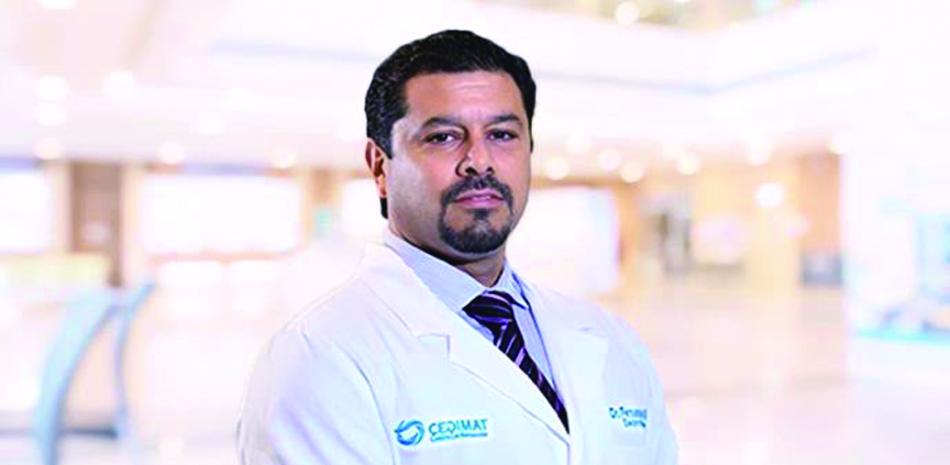
Sudden cardiac death (heart attack) is the leading cause of death in the Dominican Republic, even above the different types of cancer, says cardiologist and electrophysiologist Fernando Vidal Bett.
The expert explains that it is an unexpected event that occurs in less than 24 hours due to malignant cardiac arrhythmias (irregular heartbeats), and half of the patients who die from a cardiovascular cause are associated with sudden death.
“Cardiovascular disease continues to be a challenge for everyone. It continues to claim many lives,” says the director of the Arrhythmia, Electrophysiology and Pacemaker Unit at the Cedimat Cardiovascular Center, while emphasizing that not all patients with heart disease will die suddenly.
“Sudden death affects patients with pre-existing cardiovascular diseases much more; for example, patients who have had a heart attack, who suffer from dilated cardiomyopathy (enlarged heart) and heart failure, are the patients who run the highest risk of sudden death,” he explains in an interview with Listín Diario.
Risk factors
Family influence, smoking, hypertension, obesity, sedentary lifestyle, diabetes, and excessive alcohol consumption are risk factors that lead to cardiovascular disease, the specialist points out.
He points out that excessive alcohol consumption and smoking can lead to the development of ischemic cardiovascular disease, a condition characterized by the obstruction of the coronary arteries.
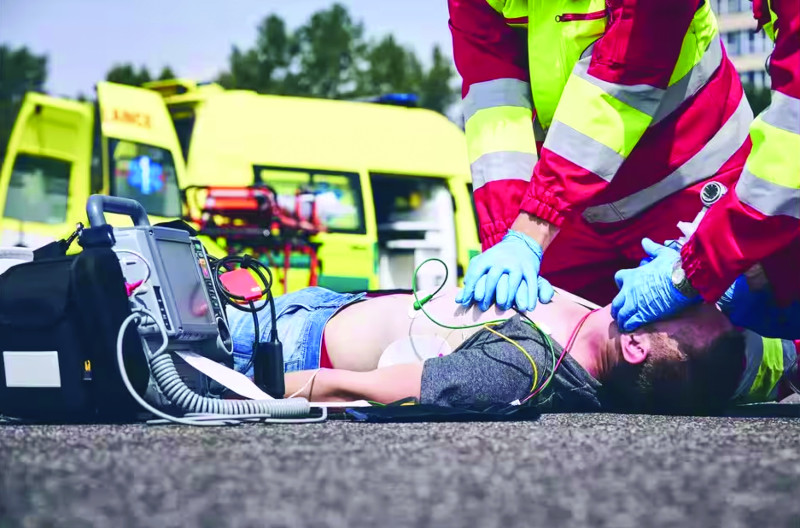
A patient who faints and hits their head is a high-risk patient experiencing a loss of consciousness. – Listín Diario
“When a coronary artery becomes blocked, a part of the heart dies; it becomes a scar, and that scar has the characteristic of generating arrhythmias, short circuits within the heart, and can end the patient’s life,” he explains.
It also points out that stress, anxiety, and sleep disorders can affect cardiovascular health, as they often lead to hypertension and trigger arrhythmias. Furthermore, it explains that mixing alcohol with energy drinks also increases the incidence of heart attacks and ischemic heart disease in young people—medical conditions resulting from reduced blood flow to an organ or tissue.
More to men
There is no gender predilection for cardiovascular disease, but it tends to affect men earlier than women due to the protection of hormones; however, at a certain age, the risk for both sexes becomes equal.
The specialist says that although there aren’t always warning signs of sudden cardiac death, they do occur. For example, in patients with a family history of sudden cardiac death before the age of 4,; those who experience warning signs such as chest pain, shortness of breath, dizziness, lightheadednes,s or sudden fainting, and palpitations.
“A patient who faints and hits their head is a patient who has a loss of consciousness and, because of the head injury, is considered high risk,” he explains.
Prevention
It indicates that the best way to prevent this event is to address risk factors and raise awareness among the population about self-monitoring with the implantable cardioverter-defibrillator (ICD), the only tool capable of preventing sudden death.
“It’s like an implanted pacemaker; it automatically detects when the patient has a malignant arrhythmia, a potentially lethal arrhythmia, and provides treatment. It might stimulate the heart rate faster, or it might deliver a shock,” he explains.
However, he points out that the challenge lies in identifying patients who qualify for a pacemaker. This category includes patients with hypertrophic cardiomyopathy; those who have suffered a heart attack and have a heart function below 35%; and those who have experienced resuscitated cardiac arrest (sudden cardiac death).
“A defibrillator is not implanted in a patient who is in very poor condition. The defibrillator is implanted when the patient is stable, when they have a life expectancy of more than one year,” the electrophysiologist emphasizes.
Its cost can range from US$15,00,0 and it has a battery life of 7 to 10 years. The goal of implanting it is to extend the patient’s life and improve their quality of life by up to 80%.
Recently, the Dominican Society of Cardiology, through its Electrophysiology Council, issued an official Position Statement supporting and explaining the responsible use of ICDs to prevent sudden cardiac death in the country.
This document, based on the best international scientific evidence and adapted to the Dominican context, establishes clear recommendations for clinical scenarios in which to use it, the importance of specialized evaluation, and economic sustainability, marking a milestone for education and dissemination initiatives in cardiovascular health.
No record exists
In the Dominican Republic,c there is still no national registry that counts this type of death, but Vidal Bett says that the Dominican Society of Cardiology is taking steps to create a registry of sudden cardiac death, given the challenge of the lack of specification in death certificates.