
Félix Bautista proposes bill to help reduce U.S. tariff on Dominican exports


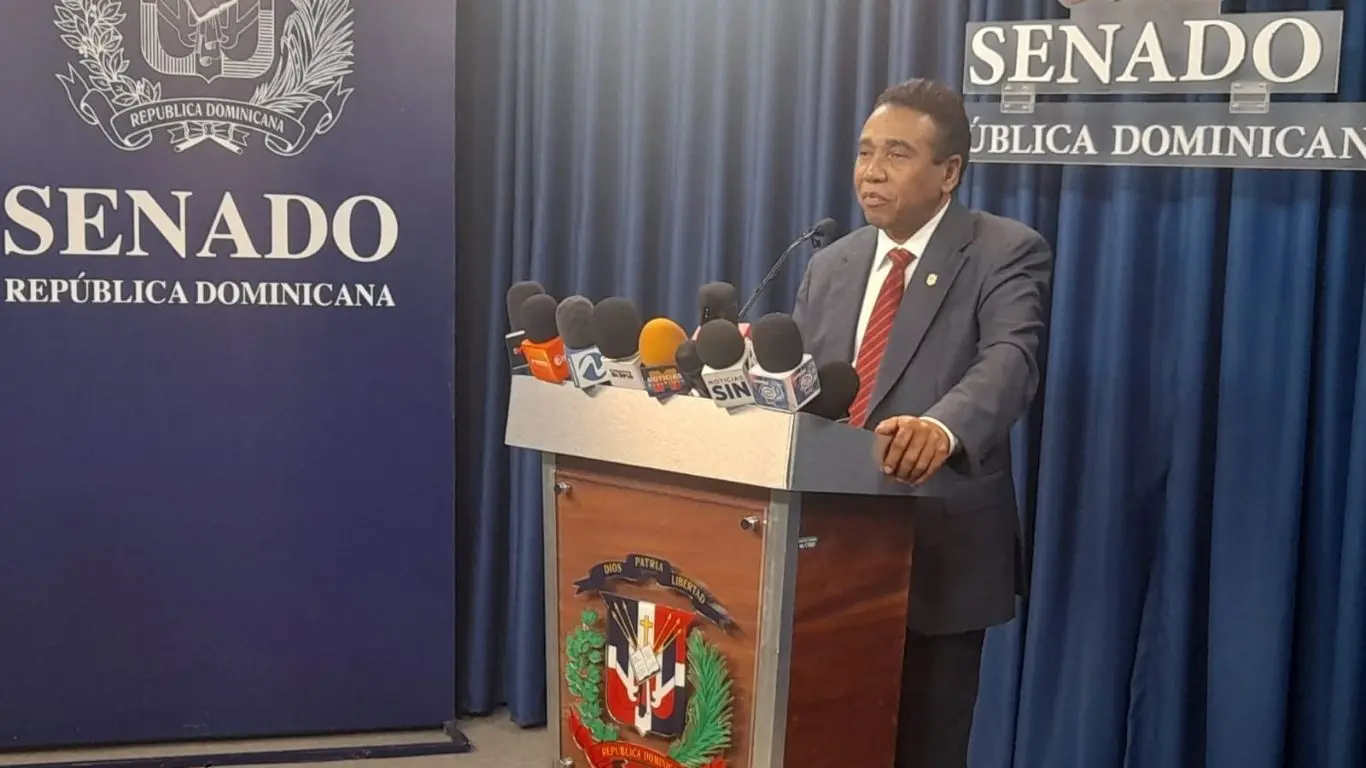
Santo Domingo.- Senator Félix Bautista has submitted a bill to the Senate aimed at banning the importation of goods produced through forced labor, a measure he says could help the Dominican Republic negotiate a reduction in U.S. tariffs on its exports.
Bautista said Dominican products currently face a 12.5% U.S. tariff, compared with 10% for countries including El Salvador, Guatemala, Honduras, Mexico and Malaysia. He argued that the 2.5-percentage-point difference reduces the competitiveness of Dominican exporters and could cost the sector between US$127 million and US$182 million annually.
The proposed legislation would prohibit the importation of goods produced wholly or partially through forced labor and establish greater traceability of supply chains. The General Directorate of Customs would oversee enforcement, while the Ministry of Labor would serve as the technical authority for determining whether forced labor exists.
The bill also proposes importer affidavits, temporary measures to retain goods, a public registry of forced-labor import prohibitions and penalties for false declarations. Exporters in high-risk sectors such as textiles, agriculture, fishing, mining and construction would face enhanced due-diligence and traceability requirements.
Bautista said the initiative would strengthen the legal framework established through Decree 502-26, issued in July, and provide the Dominican Republic with a basis to ask the United States to eliminate the tariff gap and apply a 10% rate.
The senator plans to promote the measure in the Senate and Chamber of Deputies while meeting with exporters, free-zone representatives and government officials.
The United States accounts for between 52.5% and 53.5% of Dominican exports. The country’s total exports reached US$14.645 billion in 2025, while free-zone exports totaled US$8.426 billion in 2024, with US$6.117 billion destined for the U.S. market.