
There have been 19 deaths due to leptospirosis


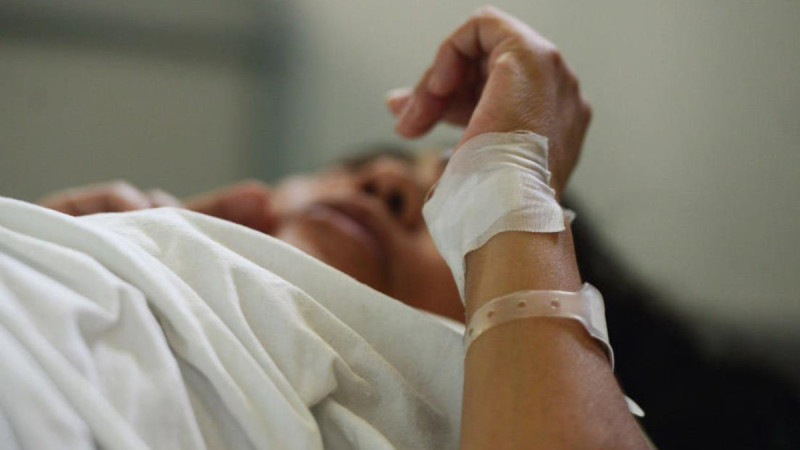
Two new confirmed cases of the zoonotic disease leptospirosis have been added to the national epidemiological figures by health authorities in the last week.
From the beginning of the year to date, the country reports a total of 272 positive cases of leptospirosis and at least 19 deaths, according to the Ministry of Public Health through its National Epidemiological Surveillance System (Sinave).
It is important to remember that leptospirosis is a disease transmitted through contact with the urine of infected animals, mainly rodents, or with contaminated water or food.
Dengue variant
On the other hand, dengue fever added another 9 confirmed cases in the last seven days. Authorities reported identifying the DENV2 serotype in 4 of the confirmed cases, while the remaining 5 cases were dengue with no serotype identified.
This new dengue variant is one of the four types (DENV-1, DENV-2, DENV-3, and DENV-4) of the virus and, according to specialists, is associated with greater severity and mortality than other variants.
However, only one death from this disease has been reported so far this year, with 277 confirmed cases, while Public Health assures that the incidence of the disease remains within the “success zone”.
Dengue is a viral disease transmitted by mosquitoes. Its symptoms begin with high fever, severe headache, pain behind the eyes, and can progress to muscle and joint pain, among others.
Tetanus and meningitis
Tetanus in other age groups, or in people who do not have the immunization recommended by doctors, has resulted in 19 confirmed cases and eight deaths.
Meanwhile, meningococcal disease has reported 18 cases so far this year and four deaths.
World Hygiene Day
In the context of World Hygiene Day, commemorated on September 3, UNICEF notes that washing hands with soap can reduce the incidence of respiratory infections, such as pneumonia, by 23%. Pneumonia is the leading cause of death in children under five and kills 1.8 million children worldwide each year.
Public Health takes advantage of this commemoration to highlight the importance of hygiene in preventing diseases such as cholera, diarrhea, hepatitis, pneumonia, and skin infections.
It is important to note that the idea of hygiene is often thought to consist simply of personal cleanliness; however, it also encompasses the cleanliness of homes and their surroundings, workplaces, and food hygiene, among others.