
El Niño deepens drought crisis and food insecurity across Central America


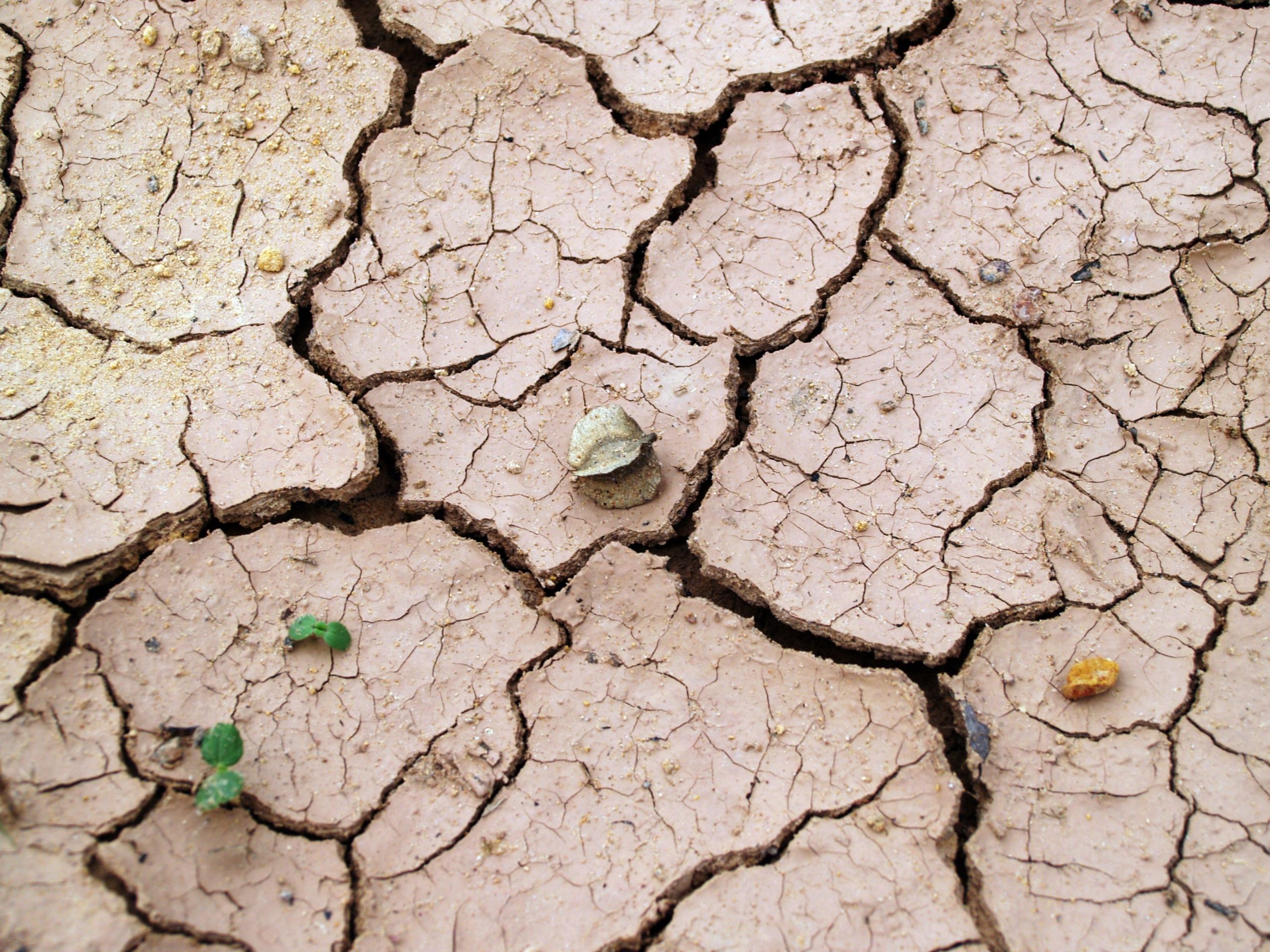
A severe drought linked to the El Niño phenomenon is deepening food and water shortages across Central America’s Dry Corridor, forcing farmers to ration meals, sell livestock and search for new ways to survive as crops fail and water sources dry up.
The Dry Corridor stretches through parts of Honduras, Guatemala, El Salvador, Nicaragua and Costa Rica and is home to more than 10 million people. According to the United Nations, about 80% of small-scale farmers in the region live in poverty, leaving many households particularly vulnerable to prolonged drought.
Residents accustomed to extreme weather say they have never experienced conditions this severe.
In San Lorenzo, southern Honduras, cornfields that should be producing crops at this time of year have become dry, barren land surrounded by livestock carcasses. For some producers, selling their animals before they die has become the only option.
The crisis is also affecting food supplies. With crops intended for household consumption failing, families are being forced to buy staples they normally grow themselves while reducing the amount of food they eat.
In Guatemala, indigenous communities report significant increases in the price of corn as harvests decline. Some families say they are eating less because they cannot afford to replace their lost crops.
El Salvador is facing similar challenges. In the community of El Matazano, water shortages have reduced the availability of a reservoir that once supplied around 50 families and supported the production of approximately 1,000 tilapia. Residents are now reserving the remaining water for essential needs, eliminating an important source of food and income.
Temperatures in the area have reached 42°C, adding to the pressure on already depleted water supplies.
El Niño threatens to worsen food insecurity
Governments in affected countries have declared states of emergency, but residents and community organizations say the assistance available remains insufficient, with some communities increasingly dependent on humanitarian organizations.
El Niño, a naturally occurring climate phenomenon that typically develops every two to seven years, warms surface waters in the central and eastern equatorial Pacific and can disrupt rainfall and temperature patterns around the world.
Meteorologists expect the current phenomenon to reach its peak toward the end of the year, while its effects could continue into 2027. Lena Savelli, regional director of the UN World Food Programme, warned that as many as 16 million people in Latin America could face insufficient food because of its impact.
The consequences are extending beyond agriculture. In Panama, freshwater shortages have already forced authorities to restrict ship traffic through the Panama Canal, which depends on freshwater reserves for its operation.
Across the Dry Corridor, the outlook remains uncertain. As reservoirs shrink, crops disappear and livestock die, farmers are increasingly worried about how they will feed their families and maintain their livelihoods if the rains do not return.
Source: AFP News Agency