
Retinitis Pigmentosa in Dominican Republic: Vision signs that should not be overlooked


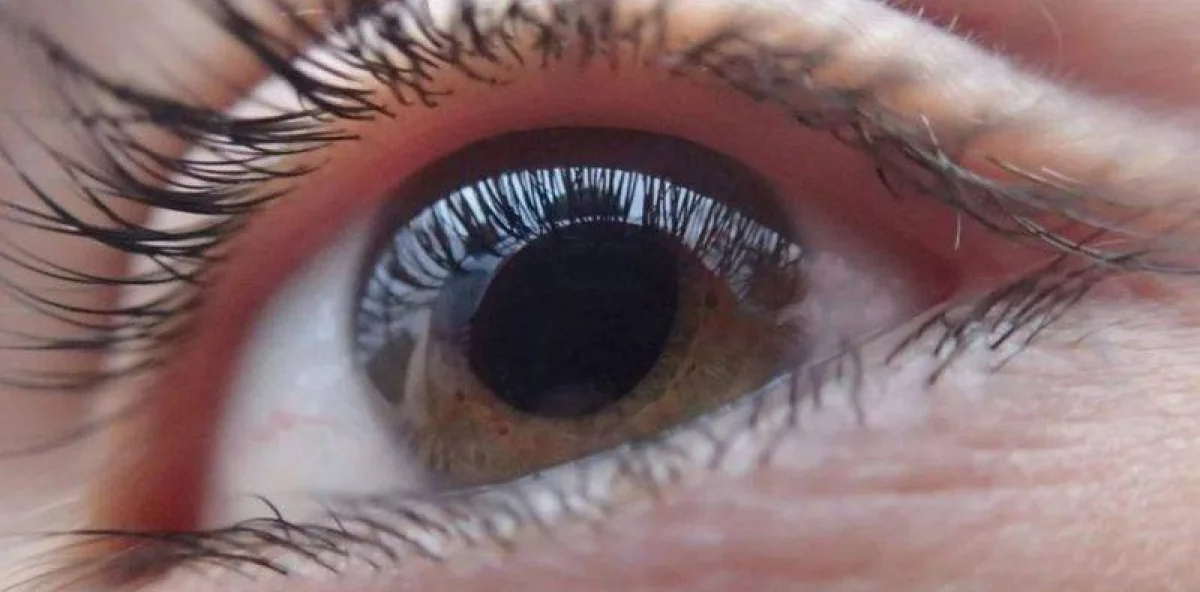
Within the framework of the international commemoration of retinal health, the Dominican Republic recalls the importance of identifying in a timely manner the signs of retinitis pigmentosa (RP), a group of genetically based eye disorders that progressively deteriorate the light-sensitive cells of the retina.
Although it is classified as a low-incidence condition, or rare disease, the Espaillat Cabral Institute, which specializes in ophthalmology, recognizes that its impact on the autonomy and quality of life of those who suffer from it represents a latent medical and social challenge in the country.

Retinitis
What is it and why does it manifest?
Retinitis pigmentosa is not contagious, nor is it caused by external factors; it results from inherited genetic alterations.
In the country, specialized centers and visual health units report that many patients discover the condition when they notice a gradual deterioration in their visual capacity, often initially mistaken for simple tired eyes or common problems like myopia and astigmatism.
Warning signs that should not be ignored
Symptoms usually begin in childhood or adolescence, progressing slowly but steadily. Key clinical signs include:
Night blindness (nyctalopia): This is usually the first warning sign. Those affected experience serious difficulty seeing or moving around in dimly lit spaces, at dusk, or in poorly lit indoor areas.
Student Scientific Journal December 2 – sld.cu
Progressive loss of peripheral vision: The lateral visual field narrows, commonly known as “tunnel vision.” Those who suffer from this condition often trip over objects located to the sides or at ground level.
Difficulty adapting to changes in light: Severe delay in the eye’s ability to adjust when moving from a light space to a dark one, or vice versa.
Alterations in color discrimination: In advanced stages, the ability to distinguish shades of color may be lost.
Timely diagnosis and the outlook in the Dominican Republic
Medical recommendation: If you experience recurring problems seeing at night or notice a reduction in your peripheral vision, do not normalize it; seek an evaluation with a retina specialist.