
Rivers of the Dominican Republic: what are the main ones and what threats do they face?


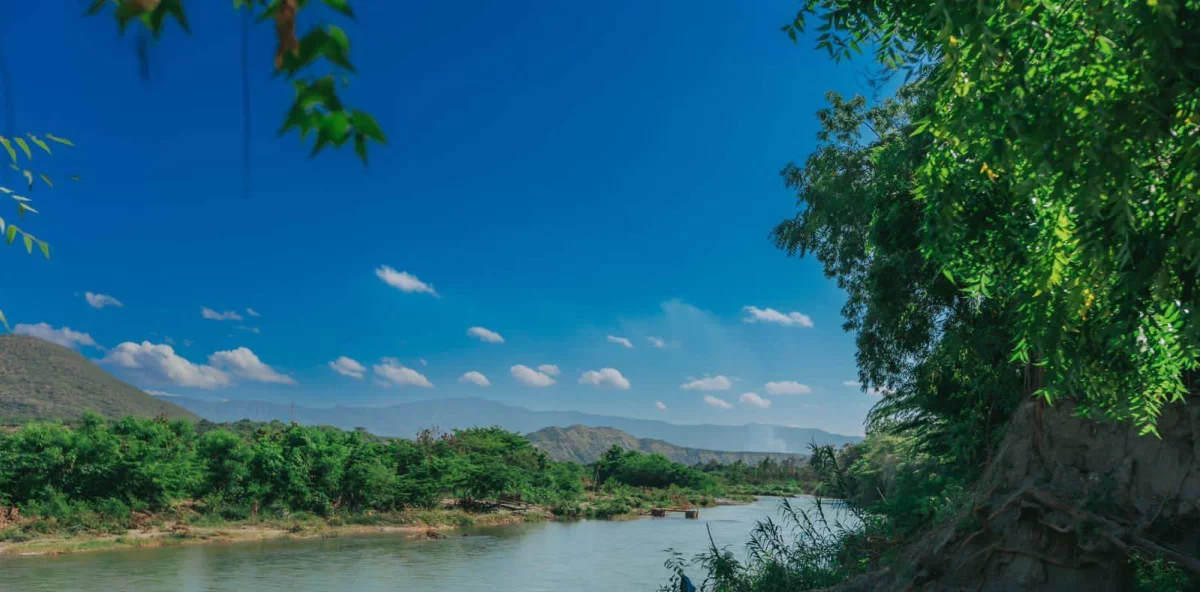
Among the main rivers are the Yaque del Norte, the longest in the country and a vital artery for the agricultural development of the Northwest Line; the Yaque del Sur, fundamental for irrigation in the enriched region of the deep south; the Yuna, which drains the fertile Cibao Valley towards Samaná Bay; and the Ozama, which bathes the capital and has a deep historical and commercial significance.

Sur Futuro and the French Geological Survey begin a study of groundwater in the Yaque del Sur basin
However, these vital bodies of water are currently experiencing an unprecedented environmental crisis due to uncontrolled anthropogenic pressure and a lack of sustainable sanitation policies.
Massive deforestation in the high mountain ranges—driven by slash-and-burn agriculture, charcoal production, and extensive livestock farming—has drastically reduced the infiltration and recharge capacity of aquifers, alarmingly decreasing the historical flow of the main tributaries during droughts.
The problem of urban and industrial pollution is another of the most serious threats suffocating the country’s river ecosystems, especially in basins that pass through large population centers.

The Ozama River this Wednesday. Photo | José de León.
Rivers like the Ozama and the Isabela receive millions of gallons of untreated wastewater daily, along with tons of solid waste, plastics, and toxic waste irresponsibly dumped by communities lacking basic garbage collection services.
This polluting load has turned entire stretches of these rivers into ecologically dead zones. In addition to the challenges of pollution and deforestation, there is the illegal and indiscriminate extraction of aggregates for construction—such as sand, gravel, and stones—directly from the riverbeds.
This destructive practice alters the natural morphology of riverbeds, destroys aquatic fauna habitats, causes severe erosion of riverbanks, and exponentially increases the risk of catastrophic flooding and overflows during extreme weather events such as storms and hurricanes.
The consequences of this systemic environmental deterioration directly impact the nation’s water and food security, threatening the supply of urban aqueducts and the productivity of the main agricultural irrigation districts.
The decline in the quality and quantity of available water has raised alarms among environmental specialists, who warn that the country is heading toward chronic water stress if drastic measures to protect and reforest priority basins are not implemented.
Protecting Dominican rivers requires a strong state intervention that combines strict enforcement of the environmental legal framework, a halt to river mining, and the massive construction of wastewater treatment plants throughout the national territory.
It is also imperative to promote environmental education among citizens to raise awareness about the strategic value of every drop of fresh water. Saving the country’s waterways is essential to guaranteeing the ecological and economic viability of future generations of Dominicans.