
USDA report: Dominican Republic narrows rice production cost gap with U.S.


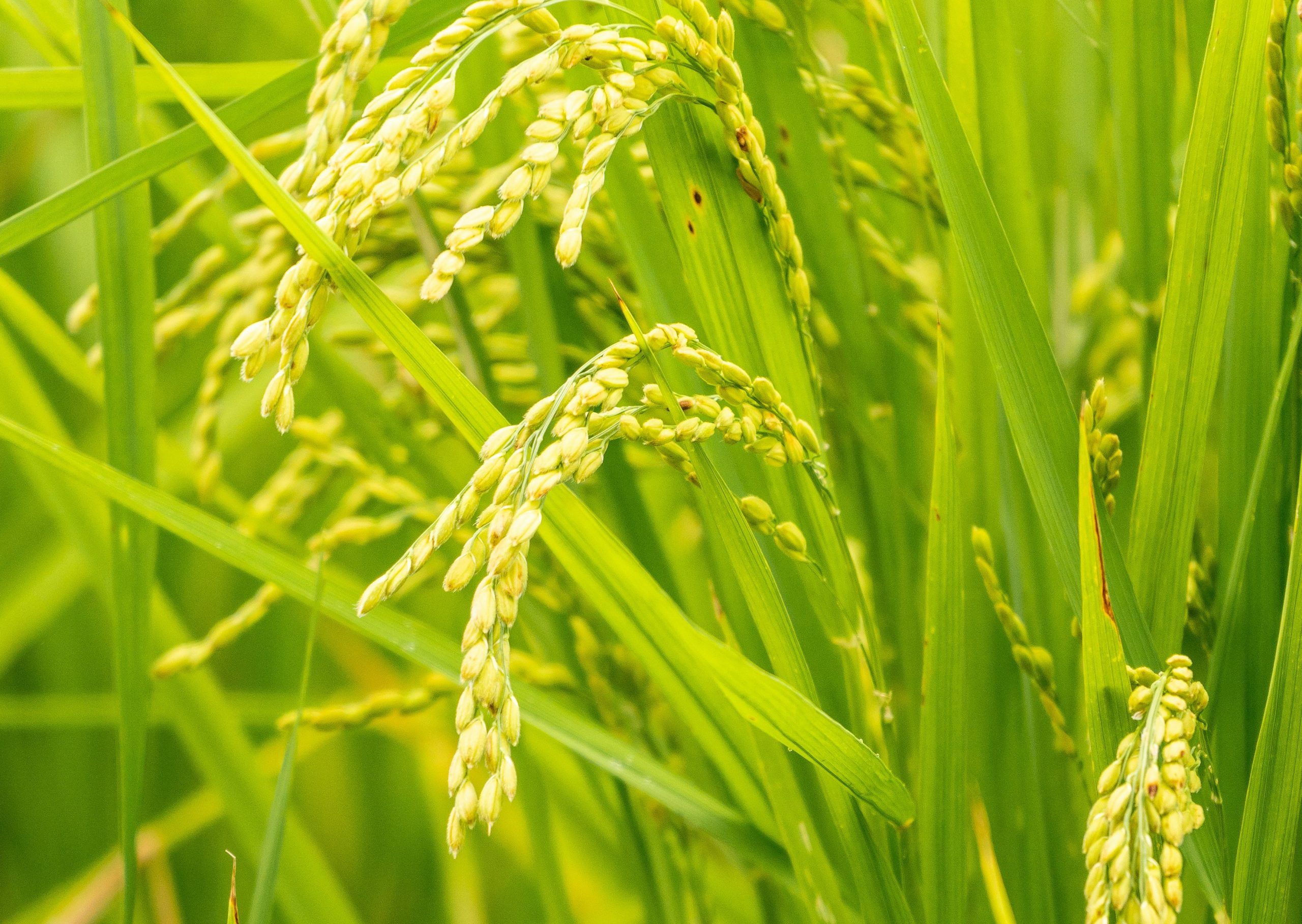
Santo Domingo.- The Dominican Republic has significantly improved the competitiveness of its rice industry over the past two decades, narrowing its production cost disadvantage against the United States, according to a report by the U.S. Department of Agriculture (USDA).
The study, titled Structural Advances and Growing Competitiveness of the Rice Industry of the Dominican Republic, found that the cost difference per metric ton of rice fell from 113% in 2007 to 34% in 2024.
Dominican production costs declined from US$470 per metric ton in 2007 to US$459 in 2024, while U.S. costs rose from US$220 to US$344 over the same period.
The USDA attributed the improvement to higher agricultural yields, greater efficiency, better crop management, expanded irrigation, and the gradual adoption of technology.
The report also found that rice production costs per hectare are lower in the Dominican Republic. Producing one hectare costs approximately US$2,647 locally, compared with US$3,235 in the United States, a difference of US$588.
However, the two countries rely on different production models. U.S. agriculture is highly mechanized and capital-intensive, while Dominican rice farming depends more heavily on labor, smaller-scale operations, public irrigation systems, and subsidies for certain inputs.
The study also highlighted a narrowing gap in consumer prices. In 2007, domestically produced rice was approximately 75% more expensive than U.S. rice after accounting for local marketing costs. By 2025, that difference had fallen to 9%.
Interviews with Dominican importers in November 2025 indicated that shipping, insurance, customs procedures, inland transportation, and commercial margins increase the U.S. rice export price by approximately 48% before it reaches the local market.
Despite these gains, productivity remains a major challenge. The Dominican Republic recorded an average yield of 5.28 metric tons per hectare in 2024, compared with 9.42 metric tons in the United States.
The USDA linked the U.S. advantage to hybrid seeds, precision agriculture, and mechanization, while noting that Dominican farmers have improved yields through expanded irrigation, better farming practices, and increased use of certified seeds.
The report concludes that the Dominican rice industry has substantially strengthened its competitive position over the past 20 years, although further productivity gains will be important as the country faces increased competition under the DR-CAFTA trade agreement.