World Bank: up to 3.1 million Haitian adults lack valid ID cards


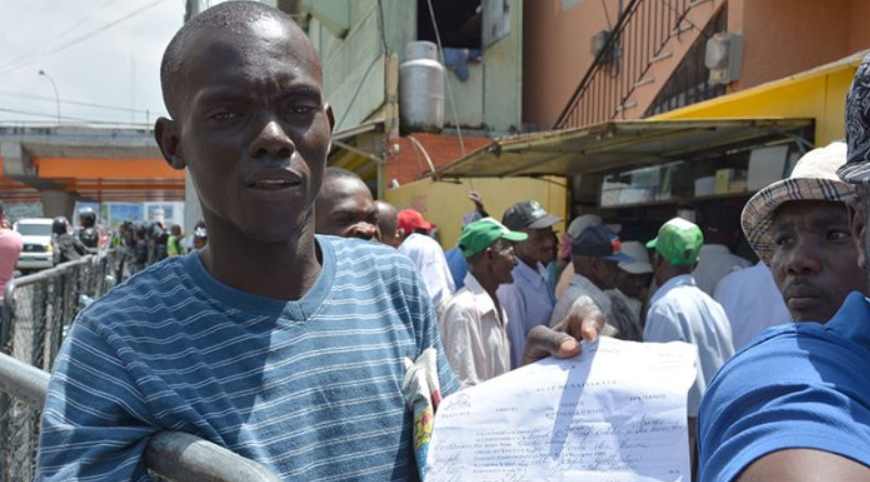
Between 2.7 million and 3.1 million Haitian adults lack a valid national identity card, according to World Bank estimates, creating barriers to financial services, formal employment, and social protection.
The finding is part of the World Bank’s “Ecosystem Identification Diagnostic: Haiti,” released October 27. The assessment notes that inadequate identification systems can make it harder for citizens to open bank accounts, use mobile money services, obtain formal jobs, and access government assistance.
Although identity documents are officially free, the process of obtaining them can generate costs for households, including transportation, repeated trips, informal fees, and lost income. These challenges are particularly significant for low-income families and people living in remote or insecure areas.
The World Bank recommends expanding identification services in underserved communities, reducing waiting times, ensuring the availability of materials, and improving accountability. Priority should be given to the poorest households, internally displaced people, residents of remote areas, and vulnerable women and families.
Despite the challenges, the assessment highlights progress. National identity cards have been issued to about 67% of Haitian adults, while 85% of children under five have been registered at birth and 77% have birth certificates.
The proposed reforms focus on expanding access, improving identification systems, and strengthening governance. The World Bank also recommends updating regulations and adopting stronger data protection and cybersecurity measures as identification services become increasingly digital.
The institution described the reform as an opportunity to promote more inclusive access to employment and services, but noted that its success will depend on adequate funding, clear institutional responsibilities, and a measurable national implementation strategy.