
Ueno Bank crisis plunges Paraguay into major political and financial turmoil


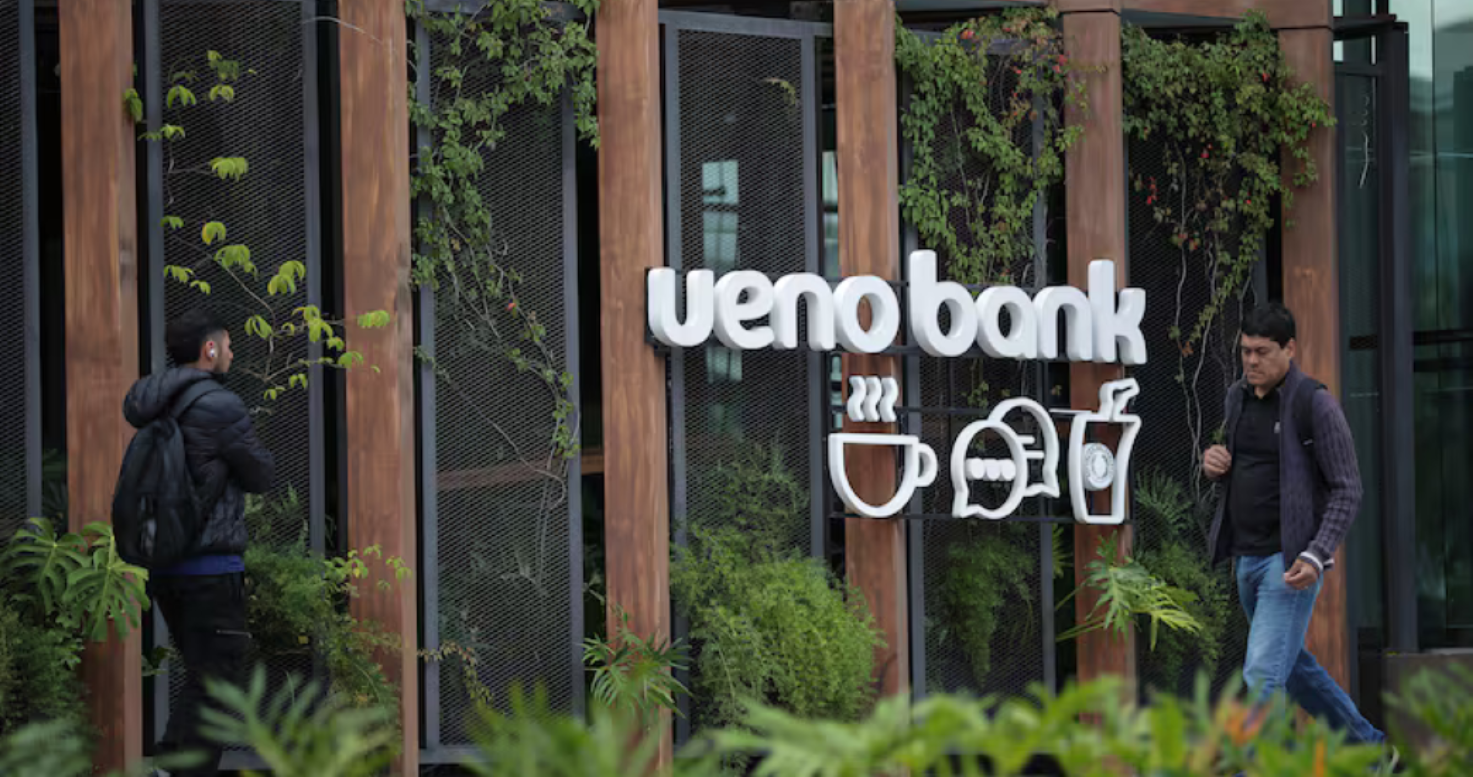
Paraguay is facing a major institutional crisis following the intervention and dissolution of Ueno Bank, a rapidly growing financial institution that left thousands of customers unable to access their deposits and raised concerns over the handling of public and pension funds.
The crisis began Tuesday, November 3, when Ueno customers found that the bank’s app was no longer displaying account balances. Hours later, the Central Bank of Paraguay (BCP) announced the bank’s intervention and dissolution after its solvency ratio fell below 50% of the required minimum.
The announcement triggered panic among customers, who gathered outside Ueno’s headquarters in Asunción and its 75 branches nationwide. Many said they needed access to their money for basic expenses, medical treatment and food.
The financial crisis quickly turned political. President Santiago Peña resigned on Thursday after opposition lawmakers and members of his own Colorado Party backed impeachment proceedings over his alleged responsibility in the Ueno case.
“I have made the decision to submit my resignation as President of the Republic,” Peña said, citing the need to preserve the country’s stability, social peace and democratic institutions. He also apologized to Paraguayans and said restoring confidence in the financial system was his priority.
Ueno Bank’s rapid growth
Ueno’s origins date to 1976, while its current business group, the Vázquez Group, acquired the institution in 2021. It became Ueno Bank in 2023 and absorbed Visión Banco in 2024, gaining more than one million additional customers.
By September 2026, Ueno reported more than three million customers in a country of about 6.5 million people and more than three million daily transactions.
The bank’s collapse has raised questions about its rapid expansion and regulatory oversight. Financial economics professor Orkun Saka of City St George’s, University of London, said the case goes beyond bank mismanagement, pointing to concerns over loans to companies linked to the owners and the close relationship between the bank, regulators and government authorities.
The opposition accused Peña of conflicts of interest and failing to address alleged irregularities involving public and pension funds. Former President and Colorado Party leader Horacio Cartes ultimately backed impeachment proceedings against Peña, saying the party would not tolerate the alleged misuse of public, private or pension funds.
Meanwhile, prosecutors ordered the arrest of several executives linked to Ueno and the Vázquez Group, including Ueno Bank president Juan Manuel Gustale, vice president Julio Rey Fernández and businessman Federico Miguel Vázquez Villasanti.
The bank’s dissolution has left Paraguay facing questions over how one of its fastest-growing financial institutions reached a crisis of this magnitude and whether authorities acted early enough to prevent it.