
Alert Dengue fever: which medications to avoid and what are the medical recommendations


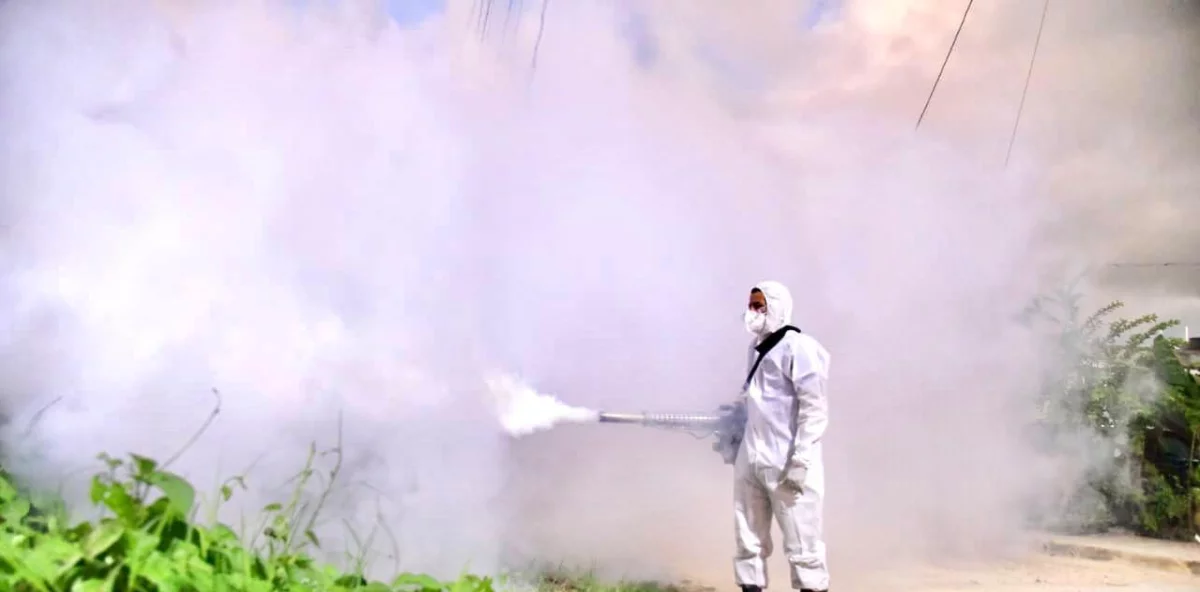
The Dominican Society of Infectology (SDI) expressed concern about the increase in dengue and leptospirosis cases in the Dominican Republic, as well as the risk of other infectious diseases linked to the recent rains and floods.
In a statement to the public, the entity said that, according to Epidemiological Bulletin number 43 of the Ministry of Public Health, the country has registered 612 confirmed cases of dengue, compared with 273 reported during the same period in 2025.
Regarding leptospirosis, the agency noted that there are 305 cases and 21 deaths, figures which, in its opinion, make it necessary to intensify prevention and health surveillance measures.
Given this situation, the society urged families and communities to eliminate unused containers and objects that can accumulate water, such as tires, bottles, cans, and buckets, and to keep patios, yards, roofs, and gutters clean to prevent mosquito breeding.
He also recommended keeping tanks, cisterns, and water storage containers covered, cleaning their internal walls, and applying chlorine according to health authorities’ guidelines. To reduce bites, he advised using repellents, mosquito nets, and skin-covering clothing.
Leptospirosis prevention and warning signs
Regarding leptospirosis, the SDI advised avoiding contact with floodwaters and mud. When exposure is unavoidable, it recommended wearing waterproof boots and gloves, especially if there are open wounds on the skin.
The agency further urged people to drink potable or properly treated water, maintain proper hand hygiene, and discard food that has come into contact with floodwaters.
The organization also emphasized seeking medical attention for symptoms such as fever, headache, muscle aches, nausea, or general malaise, especially after exposure to mosquitoes or contaminated water.
He warned that severe abdominal pain, persistent vomiting, bleeding, difficulty breathing, decreased urination, or deterioration of general condition require immediate medical attention, even when the fever has subsided.
The Dominican Society of Infectious Diseases recommended avoiding self-medication, especially aspirin, ibuprofen, and diclofenac, during dengue fever, and avoiding antibiotics without medical advice.
Finally, he argued that prevention requires joint participation by families, communities, and authorities to reduce transmission risks and protect the population’s health.