
Abinader enacts law banning imports linked to forced labor


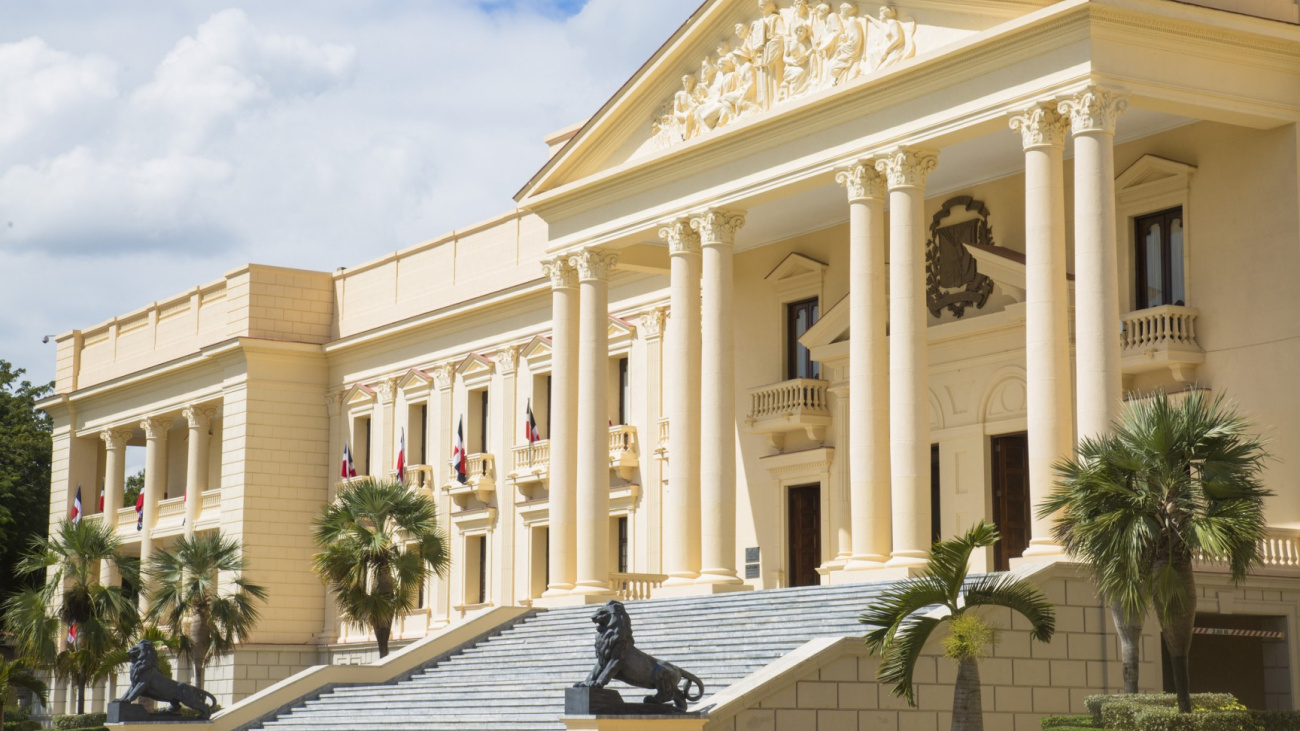
Santo Domingo.- President Luis Abinader has enacted Law No. 97-26, which prohibits the importation into the Dominican Republic of goods produced, manufactured, extracted or processed, in whole or in part, through forced labor.
The 26-article law establishes a legal framework to prevent, identify and prohibit products linked to forced labor in international supply chains, while protecting human rights, fair competition and the integrity of the national market.
The General Directorate of Customs (DGA) will be responsible for enforcing import bans, while the Ministry of Labor will serve as the technical authority for determining whether forced labor exists within a supply chain. Customs may launch investigations based on complaints, alerts, reports or other credible information from government agencies, international organizations, unions, civil society and other sources.
Administrative proceedings will generally have a maximum period of 90 business days, extendable to 115 days. When there are reasonable indications of forced labor, Customs may temporarily suspend clearance, retain goods or prohibit their importation for up to 45 business days, with a possible 30-day extension.
Importers must declare whether they know or have reasonable grounds to believe that their goods were produced using forced labor. False declarations will constitute an administrative offense under the customs regime established by Law No. 168-21 and could also result in criminal liability where applicable.
The law also creates a public electronic register of final import prohibitions, including information on the affected goods, tariff classifications, producers or suppliers, and their country or region of origin.
Importers in sectors considered high-risk will be required to implement due diligence systems to identify, prevent and mitigate forced-labor risks. Companies with previous investigations or import bans may face enhanced traceability requirements, including supplier identification, risk assessments, independent audits, worker reporting mechanisms and remediation plans.
Producers, suppliers and other interested parties may request a review of a forced-labor determination if they can demonstrate that the violations have been remedied, including ending the practice, compensating victims, paying outstanding wages and returning workers’ identity documents.
The law also establishes cooperation mechanisms among Customs, the Ministry of Labor and other government institutions, as well as information-sharing with the International Labour Organization and authorities in other countries.
The legislation guarantees affected importers and other parties the right to due process, including access to administrative records, the submission of evidence and appeals against decisions.