

Anadegas to disconnect electronic payment terminals at 780 gas stations on Friday


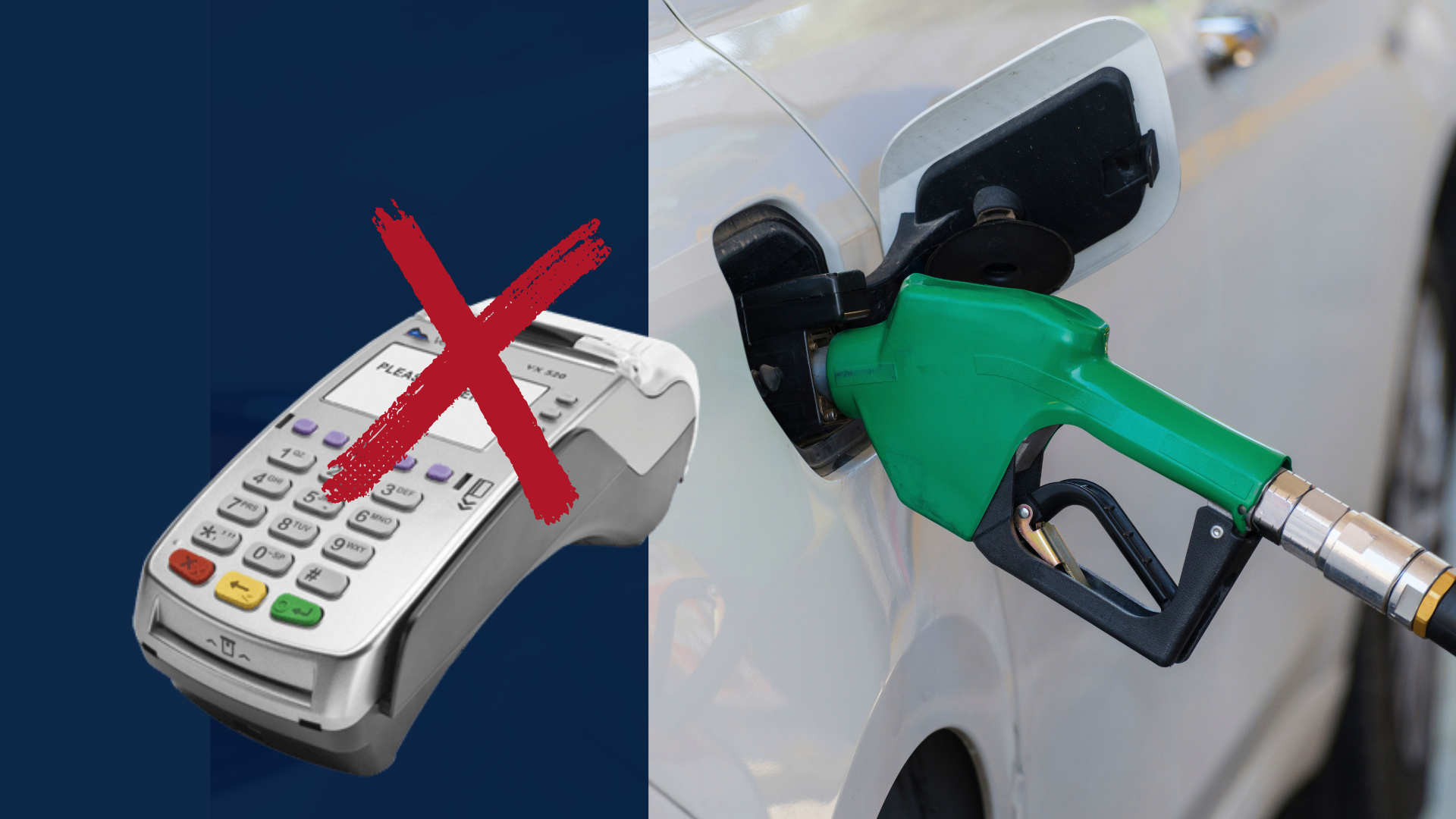
Santo Domingo.- The National Association of Gasoline Retailers (Anadegas) reaffirmed that it will disconnect electronic payment terminals at its 780 affiliated fuel stations nationwide starting at 6:00 a.m. on Friday, September 25, unless an agreement is reached over the costs of card and electronic payment services.
Why Anadegas is taking this action
The conflict centers on the commissions fuel retailers pay for transactions made through credit and debit cards and the electronic payment terminals known as Verifones.
Anadegas has argued that these fees take a significant share of fuel stations’ already limited margins. In July, the association said retailers earn approximately RD$25 in gross margin per gallon but can pay about RD$7 in commissions when customers use cards.
The association has also said that between 60% and 90% of fuel purchases are made with cards, depending on the location, increasing the impact of the fees on retailers. Anadegas estimates that the costs represent about 27% of the sector’s commercial margin.
The dispute prompted negotiations involving Anadegas, government authorities, financial institutions and companies that manage card-payment services. ProConsumidor confirmed in September that the Ministry of Industry, Commerce and MSMEs (MICM), together with other government agencies, was mediating the conflict in an effort to prevent consumers from losing payment options at fuel stations.
Anadegas maintains its deadline
Anadegas President Juan Elías Pérez said the association has participated in several meetings in recent weeks to resolve the dispute, but no concrete results have been achieved.
The MICM has scheduled a final meeting for Tuesday, September 22, with an Anadegas delegation. Pérez said the association will participate but warned that the meeting will not automatically suspend the planned action.
“If this meeting turns out to be more of the same, we will not suspend our call,” Pérez said.
Anadegas acknowledged mediation efforts by the MICM and ProConsumidor but maintained that a definitive solution requires a decision at the highest level. Pérez also claimed that, based on comparisons conducted by the sector, Dominican fuel retailers face among the highest costs for card and payment-terminal services among the countries analyzed by the association.
The association said its regional organizations remain coordinated ahead of the deadline, with San Francisco de Macorís serving as a focal point for mobilization in the Cibao region.
Meanwhile, Mario Díaz, general secretary of the National Federation of Christian Social Transport Workers (Fenattransc), said mass-transit operators are prepared to maintain fuel supplies if the payment terminals are disconnected.
Díaz explained that major transportation organizations have their own fuel storage tanks and internal pumps supervised by authorities, allowing them to supply their vehicles without depending entirely on traditional fuel stations.
Anadegas said it will maintain the planned disconnection if no satisfactory agreement is reached before Friday, while negotiations over electronic payment costs remain unresolved.


While that is a high cost? The 25 pesos is well above what a retailer in the US makes per gallon.