
Dominican Republic advances landmark legislation to make health tourism a national priority


Already recognized as the Caribbean’s leading medical tourism destination in the Medical Tourism Index, the Dominican Republic is advancing a new national framework centered on quality, international accreditation, investment, innovation and public-private collaboration.
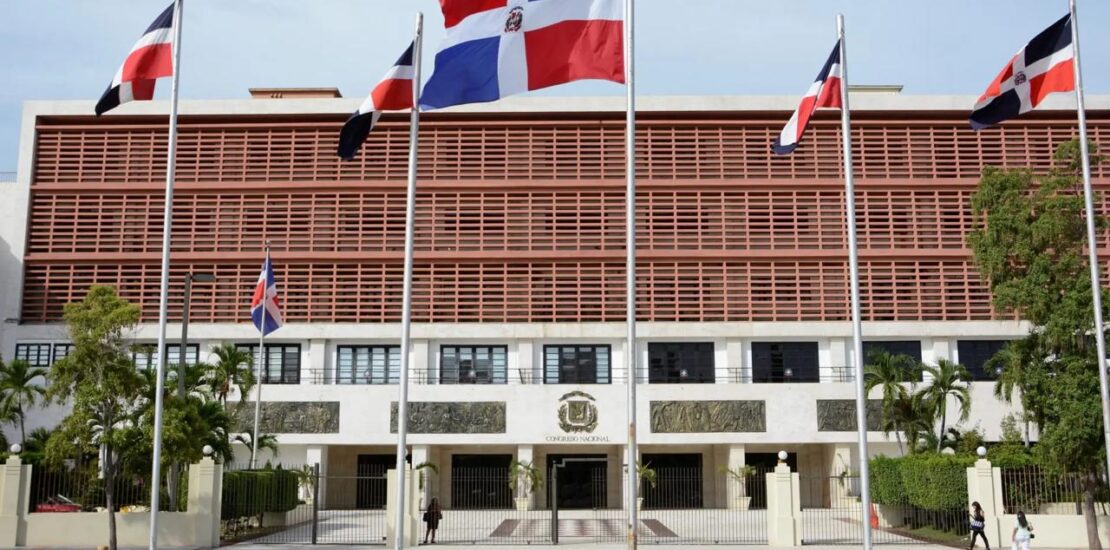
SANTO DOMINGO, Dominican Republic — The Dominican Republic has taken a major step toward transforming health tourism from a fast-growing industry into a national strategic priority, following Senate approval of landmark legislation designed to strengthen quality, attract investment and enhance the country’s competitiveness in the global healthcare market.
The move comes as health tourism has emerged as an increasingly significant economic sector for the country. According to sector studies, approximately 338,000 health tourists visited the Dominican Republic in 2023, generating an estimated economic impact exceeding US$1.4 billion.
The legislation seeks to build on that momentum by establishing a more coordinated national ecosystem focused on patient safety, international accreditation and certification, investment, innovation, technology and public-private collaboration.
It also builds on the national strategy initiated by President Luis Abinader through Decree 787-21, which called for coordinated action between the Ministries of Public Health and Tourism to advance the sustainable development of health and wellness tourism.
From Caribbean Leader to Global Healthcare Competitor
The Dominican Republic enters this new stage from a position of regional strength.
In the 2020–2021 Medical Tourism Index, the country ranked No. 1 in the Caribbean and No. 19 globally among 46 destinations evaluated.
The next ambition is clear: turn regional leadership into greater global competitiveness.
As international patients, insurers, employers and healthcare partners increasingly look beyond price and accessibility toward measurable standards of quality, safety and trust, the Dominican Republic is seeking to differentiate itself through international accreditation and certification, clinical quality, technology, innovation and world-class patient experience.
The strategic shift is significant: competing not simply on cost, geography or tourism appeal, but increasingly on international trust supported by measurable quality.
A New Public-Private Governance Model
At the center of the legislation is the creation of the Health Tourism Advisory Council (COTSA), under the Ministry of Public Health and Social Assistance.
The council would bring together government authorities and key private-sector organizations, including the Dominican Republic Hotel and Tourism Association (ASONAHORES), the National Association of Private Clinics and Hospitals (ANDECLIP), and the Dominican Health Tourism Association (ADTS).
This public-private governance model is designed to align healthcare, tourism and economic development around a shared national strategy, creating a more coordinated environment for quality improvement, investment and international positioning.
The legislation also establishes the National Health Tourism Development Fund (FONDETUSA), administered by the Ministry of Tourism, to support the development and international promotion of the Dominican Republic as a health tourism destination.
Healthcare, Tourism and Investment Under One Vision
Globally, health tourism is evolving beyond patients traveling abroad for medical procedures. It represents a broader economic ecosystem connecting healthcare, hospitality, technology, innovation, investment, human capital and international services.
The Dominican Republic brings together significant competitive advantages: extensive international air connectivity, a globally established tourism industry, expanding healthcare infrastructure and a growing base of highly qualified medical professionals.
The opportunity now is to convert those advantages into measurable quality, international confidence and sustainable economic value.
Senate approval therefore represents more than a legislative milestone. It sends a broader signal to international patients, healthcare organizations, insurers, investors and strategic partners: the Dominican Republic intends to compete at a higher level in global healthcare.
The country’s ambition is to evolve from a leading Caribbean medical tourism destination into an increasingly competitive global healthcare hub—built on quality, accreditation, innovation, patient experience and effective public-private collaboration.
The bill must still complete the remaining constitutional and legislative steps before becoming law. Its advancement, however, marks an important step toward positioning health tourism as a strategic contributor to healthcare excellence, foreign investment, skilled employment, innovation and the Dominican Republic’s international competitiveness.