
Dominican Republic calls for stronger measures to protect coastal communities


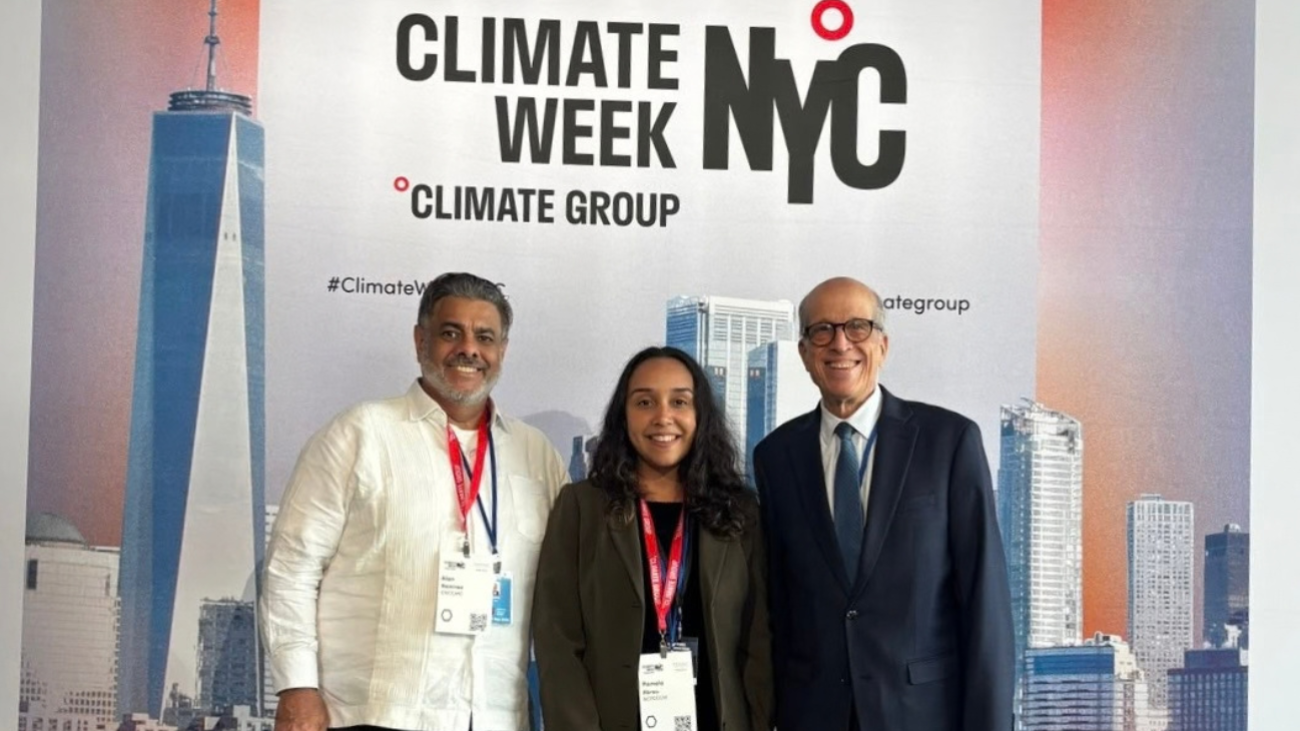
New York.- The Dominican Republic called for stronger regional cooperation to address rising sea levels and climate-related displacement in the Caribbean, emphasizing the need for adaptation financing, data-driven planning and protection for vulnerable coastal communities.
The call was made by Max Puig, executive vice president of the National Council for Climate Change and Carbon Market (CNCCMC), during a session on sea level rise at the 4th Climate Mobility Summit in New York, held alongside the 81st United Nations General Assembly.
Puig said no Caribbean country can address the challenges posed by a changing sea alone. He urged governments to develop coordinated coastal adaptation plans that reduce risks, prepare for potential displacement and secure accessible funding.
He noted that the Dominican Republic, as a small island developing state with more than 1,500 kilometers of coastline, has significant populations, infrastructure and economic activities concentrated in coastal areas, increasing its exposure to sea-level rise.
According to Puig, rising seas are expected to intensify coastal erosion, saltwater intrusion, flooding and storm surges, while also damaging mangroves, coral reefs and beaches that protect communities and support industries such as fishing and tourism.
He highlighted the impact on more than 9,000 fishermen and their families who depend on coral reefs, warning that reef degradation could affect jobs, income, food security and the ability of coastal communities to remain in their traditional areas.
Climate change could drive millions of displacements
Puig said Dominican records documented more than 79,000 people displaced by disasters between 2017 and 2022, primarily as a result of sudden-onset events. He noted, however, that slower processes such as sea-level rise can gradually affect the habitability and economic opportunities of coastal areas.
For the wider Caribbean, the Climate Mobility Model for the Greater Caribbean projects that approximately 8.2 million people could be permanently displaced by 2050 due to the economic impacts of climate change. Nearly 6 million of those people could move within their own countries.
Puig stressed that these figures are not predictions but can help governments anticipate future pressures on communities, housing, infrastructure and public services.
He called for three priorities: accessible financing for climate adaptation, regional cooperation that protects people’s rights and dignity, and a green economic transition that creates employment opportunities for young people.
The CNCCMC is working with the Global Center for Climate Mobility on public policies and international cooperation mechanisms aimed at protecting vulnerable communities and their cultural heritage from climate-related impacts.
The UN Declaration on Sea Level Rise seeks to improve risk information, strengthen adaptation and financing, and protect vulnerable communities. It also calls for the preservation and documentation of cultural heritage that could be affected, including traditional lands, cemeteries, sacred sites, archaeological areas and culturally significant coastal landscapes.