
Dominican Republic hosts 12th Ibero-American Meeting of Museums in Santo Domingo


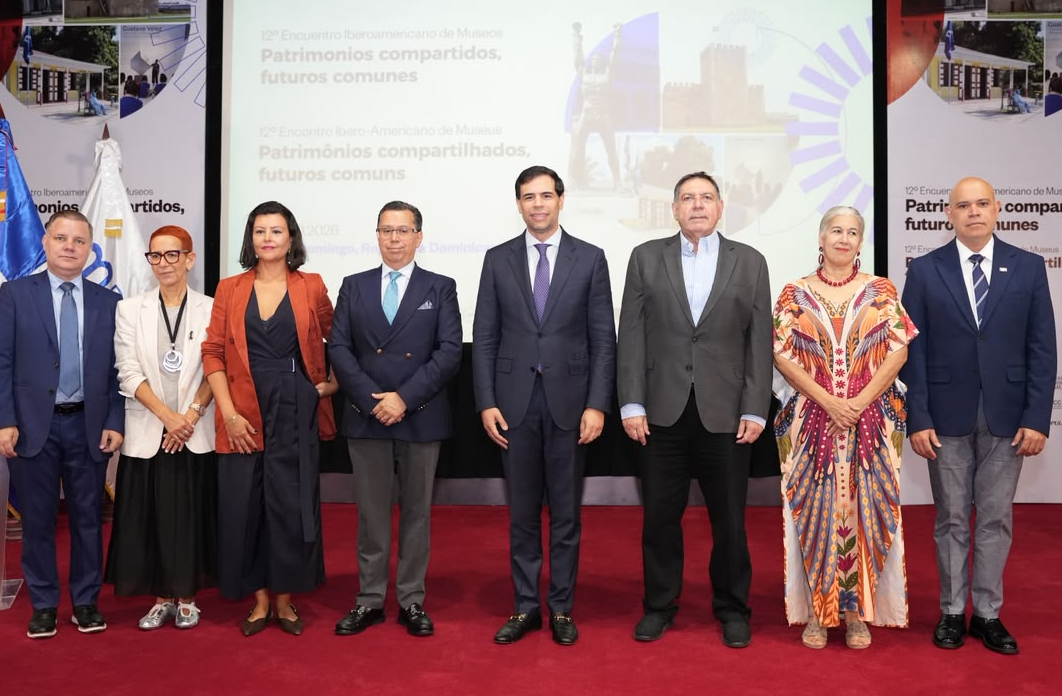
Santo Domingo.- Museum officials and cultural heritage specialists from across Ibero-America are meeting in the Dominican Republic for the 12th Ibero-American Meeting of Museums (EIM), focused on the challenges and opportunities shaping the future of museums and heritage.
The event, organized by the Ibermuseums Program and the General Directorate of Museums of the Ministry of Culture, runs from September 14 to 16 in Santo Domingo under the theme “Shared Heritage, Common Futures.”
The opening ceremony took place at the Indotel Digital Culture Center and brought together representatives of cultural cooperation organizations from across the region.
The meeting explores heritage as a collective construction and living memory, while examining how museums can respond to social, technological and environmental changes.
Mônica Barcelos, coordinator of the Ibermuseums Program’s Technical Unit, said more than 80 participants from 18 countries were invited to discuss the future role and responsibilities of museums and the communities they serve.
The program includes discussions on three main areas, with sessions addressing the social appropriation of heritage, diversity, emerging technologies and environmental challenges.
One of the key topics is the impact of artificial intelligence on museum narratives, as well as the protection of biocultural territories amid increasing climate risks.
The three-day meeting also provides a platform for professionals and institutions to exchange experiences and best practices, with the goal of strengthening public policies and developing strategies for museums to address emerging social, technological and environmental challenges.
About Ibermuseums
The Ibermuseums Program is an intergovernmental cooperation initiative focused on museums in Ibero-America. Established in 2007, it works to strengthen public policies, professional capacities and the protection of museum heritage.
The program connects 22 countries and supports a regional network of more than 10,000 museums and cultural institutions.