
Dominican Republic maternal deaths fall 20%, malaria cases 82%


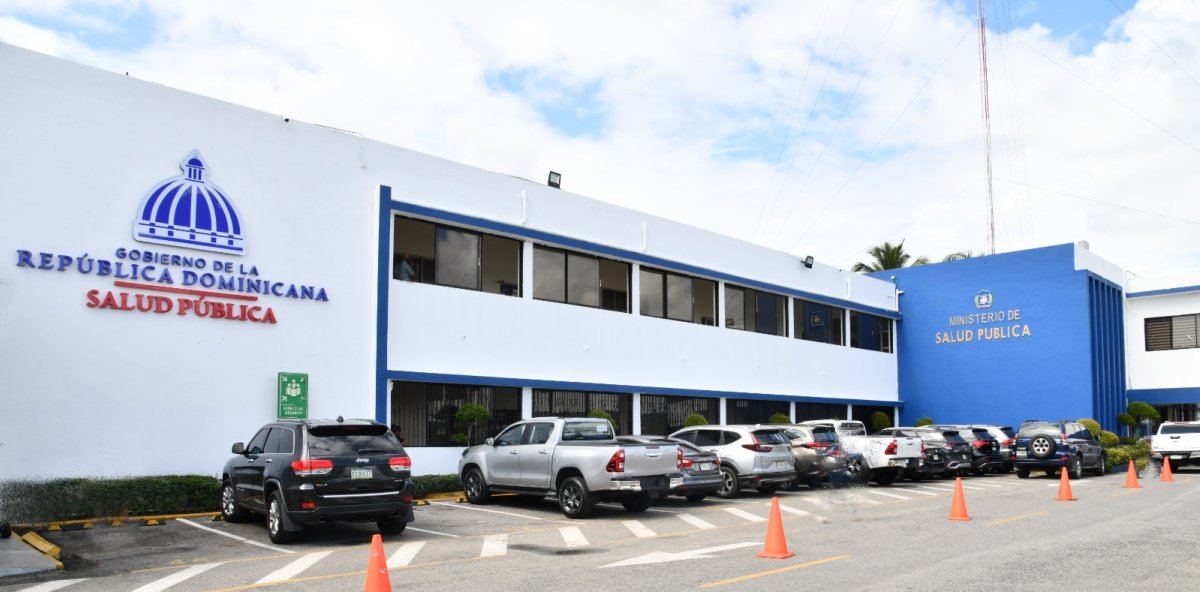
Maternal deaths reported in the Dominican Republic decreased by 20% between epidemiological weeks 1 and 36, going from 126 cases in 2025 to 101 in 2026, the Ministry of Public Health reported.
He indicated that during week 36, three maternal deaths were reported, corresponding to women aged 18, 24, and 33, from the provinces of Duarte, Elías Piña, and San Cristóbal. One of the deceased was Dominican, and the other two were Haitian.
In 2026, the 101 maternal deaths included 52 Dominican women, 47 Haitian women, and two women of other nationalities. Each case is investigated and reviewed individually to identify opportunities for prevention and improved care.
Infant deaths are decreasing
Up to week 36, 1,349 infant deaths were reported, compared to 1,372 in the same period of 2025, an approximate 2% reduction.
Neonatal deaths also decreased, from 1,118 to 1,100, and represent 81.5% of all reported infant deaths in 2026. 49 infant deaths were recorded during the week.
Altagracia Ortiz
The Ministry of Public Health and the National Health Service are maintaining intensified clinical audits, reviewing each death, monitoring the quality of care, and tracking the establishments with the highest incidence.
Confirmed malaria cases decrease by 82%
Confirmed cases of malaria decreased by approximately 82%, from 760 in 2025 to 137 in 2026. During week 36, no confirmed cases or deaths from this disease were recorded.
Surveillance, active case finding, diagnosis, treatment, and follow-up actions are maintained, especially in the transmission hotspots of San Juan and Azua, with the aim of interrupting transmission and continuing to move towards the elimination of malaria in the country.
Leptospirosis cases have decreased in the last four weeks
No confirmed cases of leptospirosis were reported during week 36. Five cases were confirmed in the last four weeks, compared to 27 during the same period in 2025.
The national total has reached 275 confirmed cases. Puerto Plata has the highest concentration, with 74 cases, nearly 27% of the national total, accumulated mainly during the major floods that affected the province and in the period that followed.
Authorities are maintaining strengthened surveillance, timely detection and treatment, environmental sanitation, rodent control, and community guidance, especially in areas affected by rain and flooding.
Dengue remains within the safety corridor
During week 36, 16 confirmed cases of dengue were reported. The national total now stands at 338 confirmed cases and one death.
The epidemiological curve remains within the safe zone, does not reach the alarm threshold, and exhibits behavior consistent with expected seasonal variation. Furthermore, the Dominican Republic has one of the lowest cumulative dengue incidence rates reported in the Americas.
The Ministry continues territorial monitoring and prevention and control actions together with the DPS/DAS and health services, including the “Eliminate, Clean and Cover” strategy, aimed at reducing mosquito breeding grounds and strengthening community participation.
Respiratory indicators remain favorable
Severe Acute Respiratory Infections remain stable and at low levels, with a general downward trend since epidemiological week 27.
Influenza-like illness is also showing lower activity than expected and remains within the successful endemic corridor. Routine, sentinel, and virological surveillance, vaccination of priority groups, and preventive measures targeting the population are being maintained.
Broader and more timely surveillance
During week 36, 2,692 of the 2,945 authorized health facilities submitted their reports, for a national coverage of 91%. Of the facilities that reported, 91% did so on time.
Through the SINAVE platform, 974 cases of diseases and events requiring immediate notification were reported, of which 86% were reported in a timely manner.
Since the strengthening intervention implemented in 2026, the average epidemiological notification time is 1.05 days, compared to 17.6 days during 2025. This improvement allows for more up-to-date information, verification of alerts, and more timely intervention in the territories.
The Ministry of Public Health will continue to strengthen prevention, surveillance, and care to consolidate progress and address identified challenges. When information arrives on time, the response can also come sooner.
The information in the Epidemiological Bulletin for Week 36 is preliminary and may be updated as part of the research processes, final classification of cases, and review of other official sources of morbidity and mortality.