
Dominican Republic reduces malaria and mortality, but faces resurgence of leptospirosis


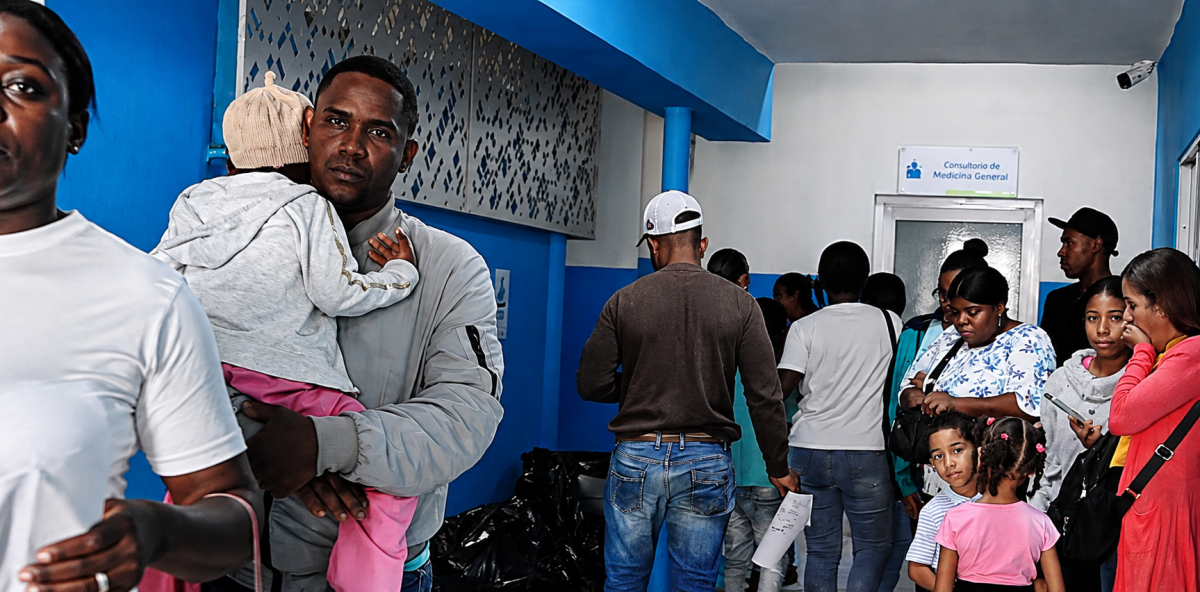
The comparative analysis of the national epidemiological situation between 2025 and 2026 reveals a public health panorama marked by advances in the control of historical diseases and setbacks in the control of emerging conditions.
Reports from the National Epidemiological Surveillance System (SINAVE) up to Epidemiological Week 29 of 2026 show that, while malaria, cholera,, and maternal and infant mortality have registered significant decreases, leptospirosis, pertussis, and severe respiratory infections have shown worrying increases.
Dengue
Dengue reported 213 confirmed cases in 2026 compared to 173 in 2025, an increase of 20%, although the endemic corridor keeps the country in a safe zone.
Dominican Republic reduces malaria and mortality, but faces resurgence of leptospirosis

Reports from the National Epidemiological Surveillance System (SINAVE)
Leptospirosis and Malaria
Malaria cases fell by 83%, from 673 in 2025 to 115 in 2026, with outbreaks concentrated in Azua and San Juan. Leptospirosis became the fastest-growing health event, with 253 confirmed cases in 2026 compared to 85 in 2025, representing a 190% increase. Puerto Plata had the highest incidence with 74 cases, followed by Santo Domingo.

Reports from the National Epidemiological Surveillance System (SINAVE)
Whooping cough
Whooping cough also increased, from a single case in 2025 to seven in 2026, while tetanus registered a slight increase, with 16 cases and six deaths.
COVID and Influenza

Robert Reid Cabral
Severe acute respiratory infections (SARI), which include cases of COVID and influenza, saw a decrease in the number of suspected hospitalizations, but the case fatality rate rose from 0.7 to 3.7 per 100 cases.
Maternal Mortality
Women giving birth at La Altagracia Maternity Hospital in the National District.
Regarding maternal mortality, 73 deaths were reported in 2026 compared to 101 in 2025, a reduction of 27.7%. Of the total, 53.4% are Dominican women and 43.8% are Haitian women.
Infant mortality also decreased by 9.2%, going from 1,093 deaths in 2025 to 992 in 2026, with the neonatal component predominating.
Provinces
The epidemiological map shows that Puerto Plata has the highest burden of leptospirosis; Azua and San Juan have the highest malaria rates; Santo Domingo has the highest cases of dengue and infant deaths; and Santiago has the highest rates of SARI and maternal deaths.
The overall synthesis shows that the Dominican Republic has made progress in reducing vector-borne diseases and maternal and infant mortality, but faces new challenges with the resurgence of leptospirosis and pertussis, which requires strengthening epidemiological surveillance, immunization, and environmental prevention strategies.