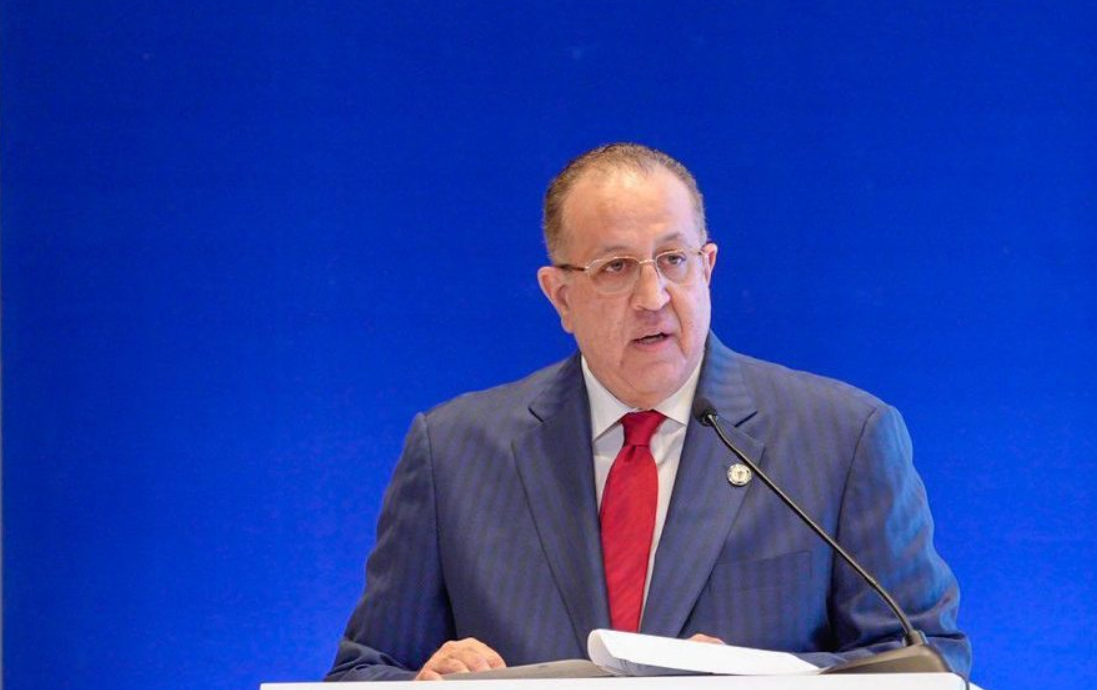
The proposal was presented by Economy and Finance Minister Magín Díaz during a meeting with media executives under the initiative titled “Measures for Economic Growth and Mitigation of the International Crisis.” The plan, which still requires approval by the National Congress, forms part of a broader fiscal consolidation strategy that includes higher taxes on financial transactions, large corporations, electronic cigarettes, casinos, and gambling activities.
Among the proposed measures is an increase in the tax on checks and electronic transfers from 0.15% to 0.20%. Companies with annual revenues exceeding RD$1 billion would also face a temporary corporate income tax rate of 30% for three years. In addition, the government is proposing a new 27% income tax bracket for individuals earning more than RD$400,000 per month, a measure expected to affect a relatively small share of taxpayers.
The proposed US$10 surcharge on airline tickets is expected to attract particular attention due to its potential effect on travel costs and the competitiveness of the tourism industry. The Dominican Republic is one of the Caribbean’s leading tourist destinations, welcoming millions of visitors by air each year. Industry observers warn that higher ticket prices could influence travel decisions and affect the country’s competitive position relative to other destinations in the region.
Tourism remains a major source of employment, economic activity, and foreign exchange earnings. As a result, stakeholders are expected to closely monitor the proposal’s progress in Congress and assess its potential impact on visitor arrivals and the broader tourism economy.
The government argues that the measures are necessary to generate additional revenue and strengthen economic stability amid global uncertainty, while concentrating the tax burden on higher-income individuals, large corporations, and selected sectors. The package is expected to be formally presented to the public as part of the administration’s broader strategy to sustain economic growth and address external economic pressures.






Take advantage of a crisis to increase taxes
The government needs to get their heads out of the sand and legalize and tax hemp. This would raise a lot of money and also clear up some money that is wasted by arresting people for weed and then wsting even more money by incarcerating them. Many other countries are doing this and it has worked out fine.
Bade move!