

Hurricanes in the Dominican Republic: What foreign property buyers should know


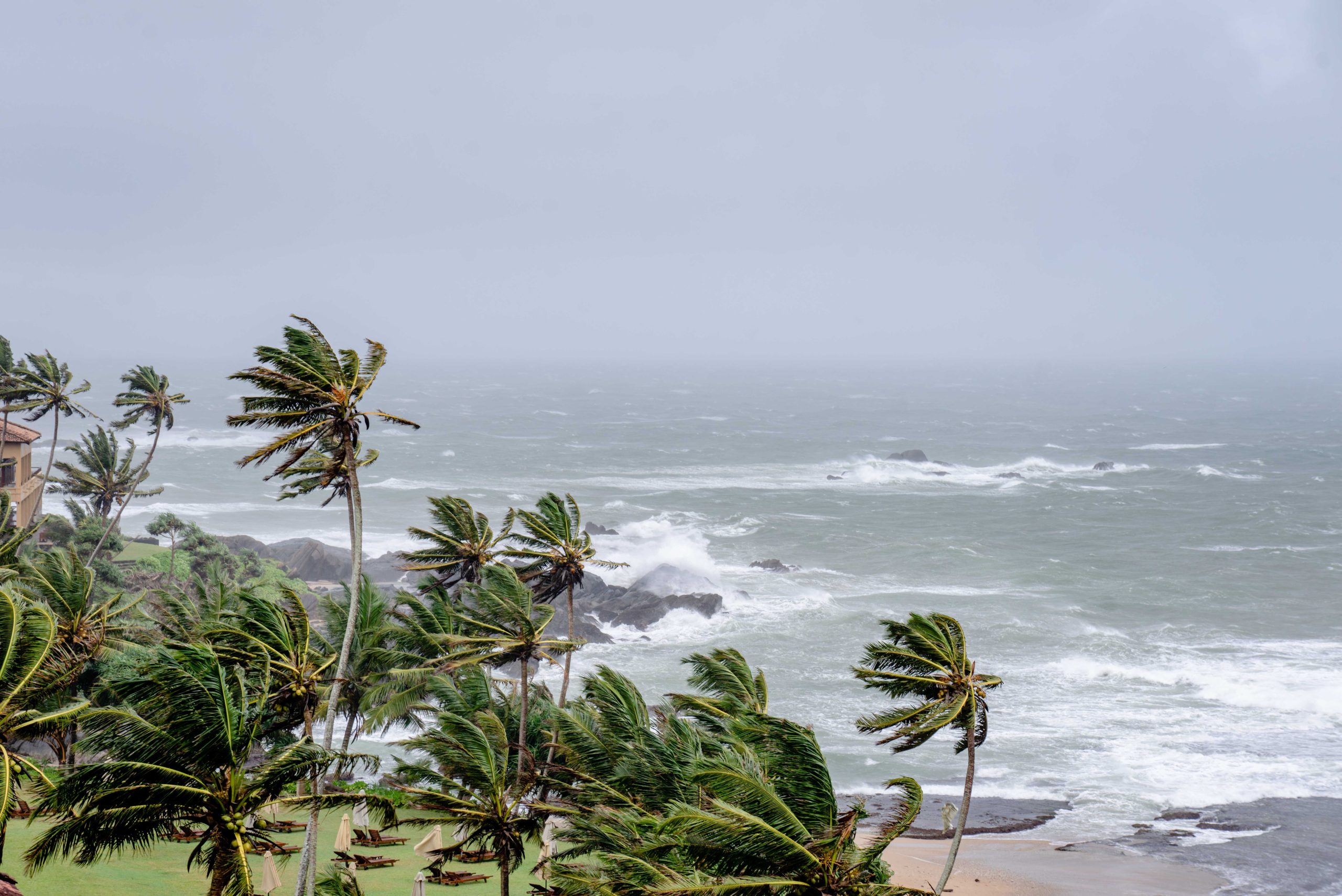
Dominican Republic.- Whenever a major hurricane or tropical storm threatens the United States or the Caribbean, one question inevitably comes up from foreigners considering buying property or relocating to the Dominican Republic:
“How vulnerable is the Dominican Republic to hurricanes?”
It’s an important and understandable question. After all, the Dominican Republic is a Caribbean island, and hurricane season is a reality throughout the region. The good news is that while hurricanes can affect the country, the Dominican Republic has historically experienced fewer direct impacts from major hurricanes than many of its Caribbean neighbors.
Understanding the Climate
The Dominican Republic enjoys a tropical climate year-round, with warm temperatures and abundant sunshine. Coastal areas are generally warm and humid throughout the year, while higher elevations such as Jarabacoa and Constanza offer noticeably cooler temperatures.
The country has two primary seasons:
- Wet season: May through November
- Dry season: December through April
The wet season is warmer and more humid, with August typically being the hottest month, averaging highs of around 32°C (90°F). During the dry season, temperatures are more comfortable, with average daytime highs near 26°C (80°F), making it the most popular time for visitors and homebuyers.
Hurricane Season
The Atlantic hurricane season officially runs from June 1 through November 30, although the Dominican Republic is most likely to experience tropical systems between August and October.
Like every Caribbean nation, the Dominican Republic can be affected by tropical storms and hurricanes. However, the severity of each storm depends on its path, strength, speed, and local weather conditions.
Why the Dominican Republic Often Avoids the Worst Impacts
One of the country’s greatest natural advantages is its geography.
The Dominican Republic occupies the eastern two-thirds of the island of Hispaniola, which contains some of the highest mountain ranges in the Caribbean. As hurricanes move across these rugged mountains, their circulation is often disrupted, causing many storms to weaken after landfall. In some cases, powerful hurricanes are reduced to tropical storms before crossing the island.
In addition, many Atlantic hurricanes naturally curve north before reaching the Dominican Republic, while others pass well south of the island. Every storm follows a unique path, making it impossible to predict long-term patterns, but historically this has reduced the number of direct major hurricane strikes.
It’s also worth noting that storms approaching from the east sometimes lose strength after interacting with Puerto Rico or the mountainous terrain of Hispaniola. However, this is not always the case, and each hurricane behaves differently.
The Greatest Risk Is Often Heavy Rain
Although the Dominican Republic is frequently spared the strongest hurricane winds, rainfall can still pose significant hazards.
Even weakened tropical systems can produce torrential rain, leading to flash flooding, overflowing rivers, and occasional landslides, particularly in mountainous regions and low-lying communities. These events are generally localized rather than nationwide, but they can temporarily affect transportation and infrastructure.
For residents, the most common inconvenience is often temporary power outages, localized flooding, and travel disruptions rather than catastrophic wind damage.
Lessons from History
The Dominican Republic has experienced destructive hurricanes in the past. Hurricanes such as David (1979), Georges (1998), and Fiona (2022) caused significant flooding, infrastructure damage, and agricultural losses in different parts of the country.
At the same time, there have been many instances where neighboring islands suffered devastating impacts while the Dominican Republic escaped with comparatively minor damage.
For example, in 2017 Hurricane Irma caused catastrophic destruction across Barbuda, the British Virgin Islands, Puerto Rico, the Bahamas, Cuba, and parts of the United States. While the Dominican Republic experienced strong winds, rough seas, localized flooding, and power outages, it avoided the catastrophic damage seen elsewhere.
Only weeks later, Hurricane Maria devastated Puerto Rico as a Category 4 storm. In the Dominican Republic, the storm brought heavy rainfall, localized flooding, and infrastructure disruptions, but the country was again spared the extreme destruction experienced by its eastern neighbor.
These examples illustrate an important point: while the Dominican Republic is certainly not immune to hurricanes, it has often avoided the direct impacts of the most powerful storms.
Modern Construction and Preparedness
Since Hurricane Georges in 1998, building standards have continued to improve, particularly in newer residential developments, condominiums, hotels, and tourism projects. Modern reinforced concrete construction, which is common throughout the country, generally performs well during tropical storms and hurricanes when properly designed and maintained.
In addition, weather forecasting has become remarkably accurate. Authorities typically have several days’ notice before a hurricane approaches, allowing residents, businesses, and emergency management agencies ample time to prepare.
What This Means for Property Buyers
For anyone considering purchasing property in the Dominican Republic, hurricanes should be viewed as a manageable natural risk rather than a reason to avoid investing.
As with buying property in Florida, the Gulf Coast, or other coastal regions around the world, it is important to understand the local climate, purchase appropriate insurance when available, and choose properties built to modern construction standards.
The Dominican Republic has demonstrated remarkable resilience over the years. While no Caribbean destination can guarantee immunity from hurricanes, the country’s geography, mountainous terrain, and historical storm patterns have often reduced the impact of many tropical systems.
For most residents, hurricane season is simply another part of island life—one that is managed through preparation, reliable forecasting, and sensible precautions rather than fear.


NONSENSE! SOON I WILL NO LONGER PROTECT THIS ISLAND AS I HAVE THEN WE WILL FIND OUT WHO HAS THE POWER! REALLY A VERY STUPID PEOPLE! VERY!!!