
INTRANT says digital traffic enforcement will not automatically issue photo tickets


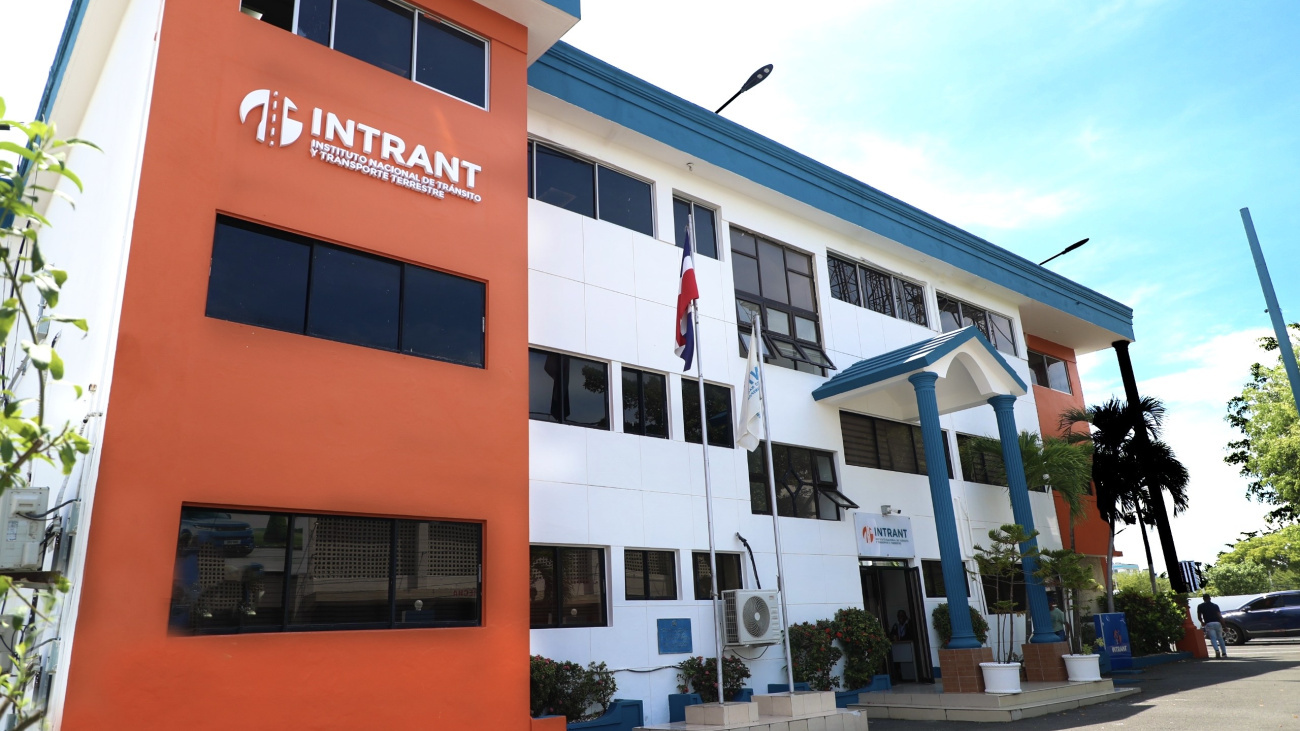
Santo Domingo.- The executive director of the National Institute of Transit and Land Transportation (INTRANT), Juan Manuel Méndez, clarified Wednesday that the digital enforcement system being considered by the institution is not a photo-ticket system.
Méndez said the initiative is instead intended to modernize the process of issuing traffic violations by replacing the traditional paper ticket book with electronic devices such as tablets.
“Digital enforcement is not the same as photo enforcement,” Méndez said during an interview on Zol de la Mañana, emphasizing that he had not announced the implementation of photo tickets.
According to the official, the technology would allow traffic enforcement agents to scan or read information from elements such as a vehicle’s license plate, registration sticker and driver’s license. This would enable agents to verify information electronically and reduce errors associated with handwritten tickets.
Méndez said the system would maintain on-site inspections, with officers directly interacting with drivers and using the devices to record and consult information related to an infraction.
The official distinguished this process from photo enforcement, in which cameras automatically capture vehicles and generate violations. He said implementing such a system would require additional technological infrastructure, including the development of traffic-light networks.
Digital tools to reduce errors
Méndez explained that replacing paper forms could help prevent problems caused by illegible handwriting or incorrectly recorded information, which can result in violations being associated with the wrong data.
The modernization is part of INTRANT’s efforts to strengthen the enforcement of Law No. 63-17 on Mobility, Land Transportation, Transit and Road Safety, while improving the management of traffic violations and providing enforcement officers with more accurate information.
Méndez also stressed that traffic enforcement should not be viewed primarily as a mechanism for generating revenue through fines, but as a responsibility of authorities to ensure compliance with traffic regulations and contribute to road safety.
With the clarification, INTRANT seeks to distinguish the digital enforcement tool currently under consideration from a potential future photo-ticket system and avoid confusion over how the technology would be used.