
ISFODOSU and IESED-Chile strengthen educational research


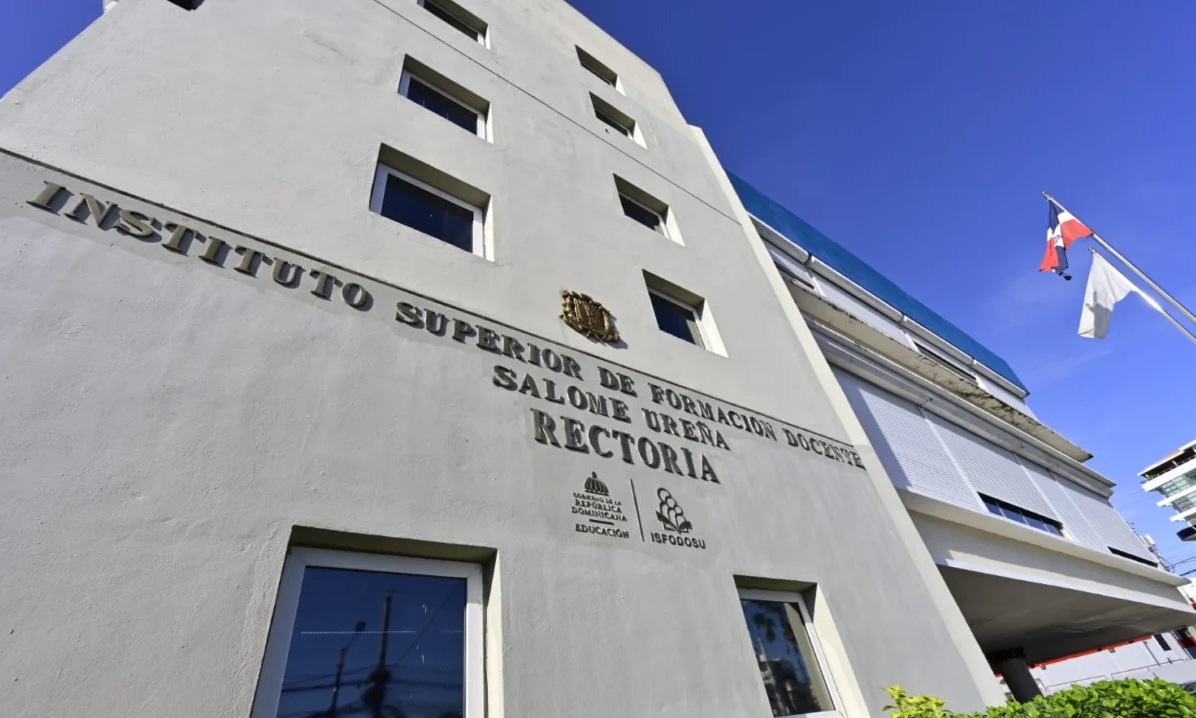
Santo Domingo.- In a decisive effort to raise research standards and expand the global reach of Caribbean and Latin American educational scholarship, the Salomé Ureña Institute of Teacher Training Higher Education (ISFODOSU) and the Interuniversity Institute for Educational Research (IESED-Chile) conducted the Advanced Training Workshop No. 09/2026: Academic Scientific Writing in Education.
Held through three specialized virtual and hybrid sessions in August 2026, the international initiative brought together faculty members, educational researchers, and academic leaders to bridge the gap between empirical inquiry and high-impact publication.
The series is part of an ongoing strategic alliance between ISFODOSU and IESED-Chile, reflecting a shared commitment to transforming classroom research into rigorous evidence capable of informing public policy and improving educational practice.
The workshop was coordinated by Dr. Vladimir Figueroa Gutiérrez, Director of Research at ISFODOSU, and moderated by Carolina Correa González, Coordinator of Educational Policy at the Interuniversity Institute for Educational Research (IESED-Chile), Universidad de Los Lagos, Santiago campus. Together, they guided an examination of the architectural, editorial, technological, and ethical dimensions of contemporary scientific communication.
The initiative comes as international databases such as Scopus and Web of Science continue to raise methodological and editorial standards, increasing the need for regional researchers to communicate findings with precision, theoretical depth, and structural clarity.
Across three weekly modules, experts Dr. Berki Yoselin Taveras Sánchez, Dr. Vladimir Figueroa Gutiérrez, and Dr. Katherine Báez-Vizcaíno deconstructed the scientific publication process and provided practical frameworks for turning institutional research into publishable academic manuscripts.
Rigor and clarity in academic communication
The opening module, held August 4 under the title “Fundamentals of Scientific Writing and Academic Communication,” was led by Dr. Berki Yoselin Taveras of ISFODOSU. She presented academic writing not as an administrative requirement but as the means through which educational knowledge acquires social validity and practical value.
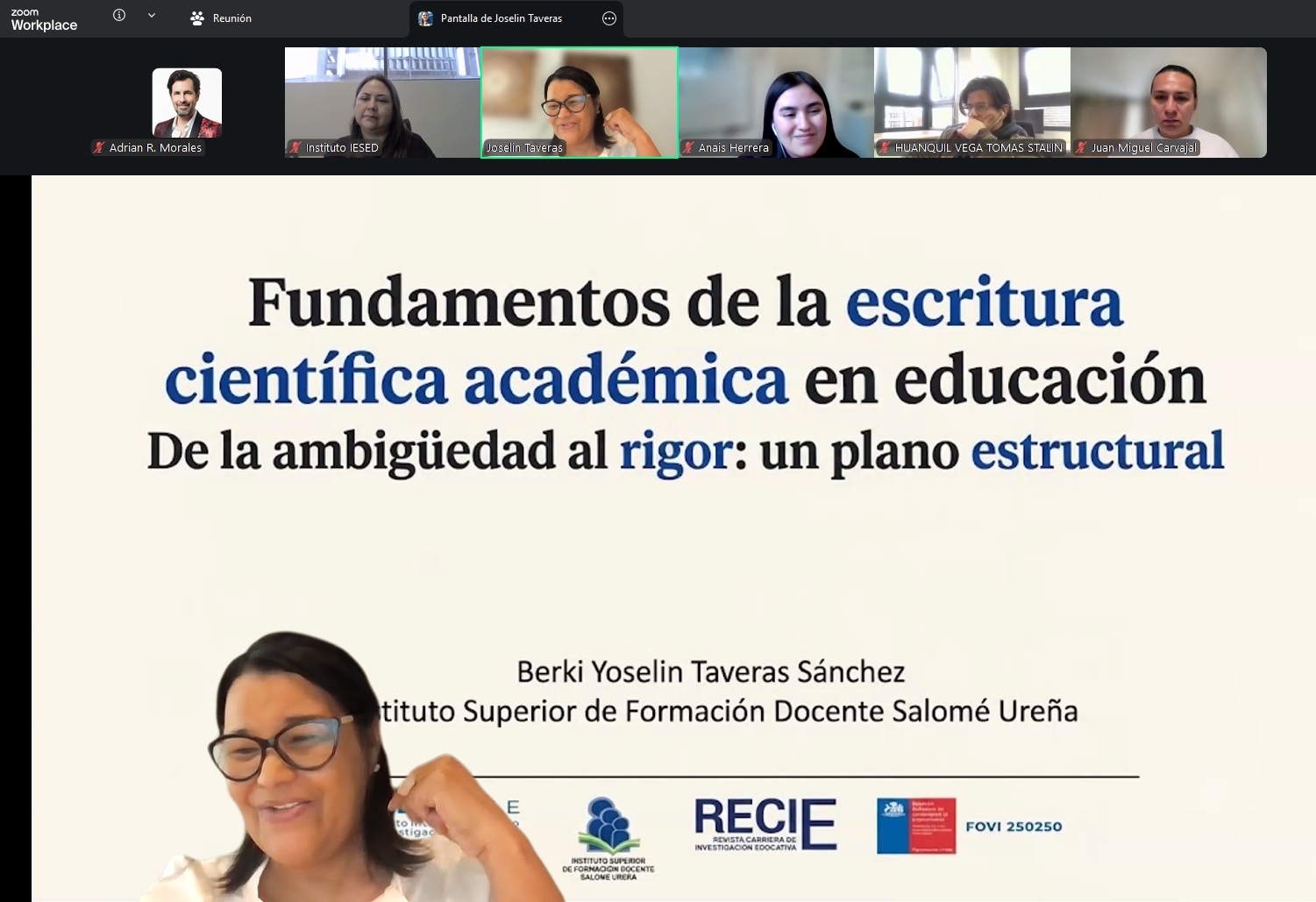
Drawing on principles of scientific communication established by Robert Day and Barbara Gastel, she emphasized that research remains incomplete when its findings are not effectively communicated. “A scientific paper is not complete until it has been effectively communicated,” Taveras Sánchez said.
She challenged the notion that scholarly authority depends on complex syntax or specialized terminology. “We do not write to demonstrate how much we know,” she stressed. “We write so that others may understand, evaluate, and utilize the knowledge produced.”
To promote more objective and verifiable academic discourse, she introduced the “Polygon of Rigor,” a framework based on objectivity, logical coherence, precision, empirical verifiability, methodological reproducibility, and research ethics.
“Scientific objectivity does not depend on writing exclusively in the third person,” she explained. “It depends on methodological rigor, the quality of evidence, and the complete transparency with which procedures and results are presented.”
She also highlighted structural clarity, precision in the use of evidence, and logical transitions as essential features of effective manuscripts, urging researchers to adopt the direct, transparent prose increasingly favored by major international publishers.
The road from research to peer-reviewed publication
The second session, held August 11 in hybrid format from the Santiago campus of Universidad de Los Lagos in Chile, was led by Dr. Vladimir Figueroa under the title “Scientific Publication, Indexing, and Impact.”
Tracing scientific publishing from its 17th-century origins to today’s digital indexing systems, Figueroa Gutiérrez examined peer review, open-access models, journal metrics, and the editorial path from submission to publication. He also addressed Article Processing Charges and offered guidance on identifying predatory journals.
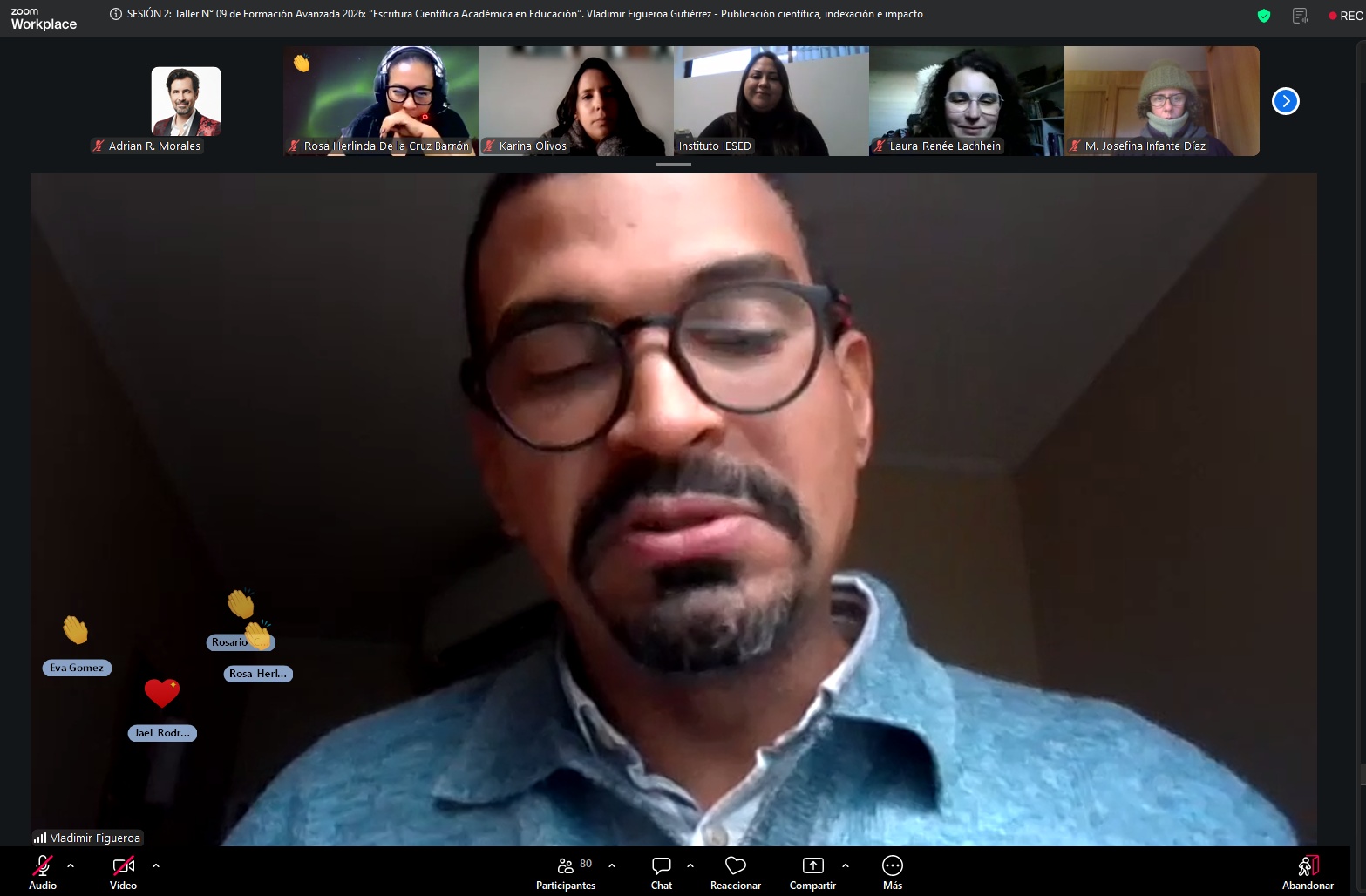
Double-blind peer review, he emphasized, remains a cornerstone of academic credibility, while the global movement toward Open Science is reshaping how research data, methods, and findings are shared.
He encouraged researchers to align their publication strategies with the San Francisco Declaration on Research Assessment (DORA), which places greater emphasis on the quality and societal value of research than on journal impact factors alone.
A practical theme of his presentation was the KISS Principle (Keep It Simple, Stupid), applied to academic writing. “Complexity should reside in the thinking and in the research itself, not needlessly in the way we write,” he argued.
He also discussed the role of generative artificial intelligence in academic work, warning against using AI to produce original text or locate primary references because of the risk of hallucinations. Instead, he recommended limiting its use to tasks such as syntax review, structural checks, document summaries based on verified sources, and reference-formatting audits.
Architecture and composition of the scientific manuscript
The series concluded August 18 with a masterclass by Dr. Katherine Báez-Vizcaíno, “Construction and Composition of the Scientific Article.” Her session connected research design with manuscript development and examined empirical studies, systematic reviews, meta-analyses, bibliometric studies, and theoretical papers.
Báez-Vizcaíno focused particularly on transforming institutional reports, master’s theses, and doctoral dissertations into concise journal articles. “Select only the information that holds real relevance for the scientific community,” she advised. “Use the final objective of your research to define the precise scope of your article.”
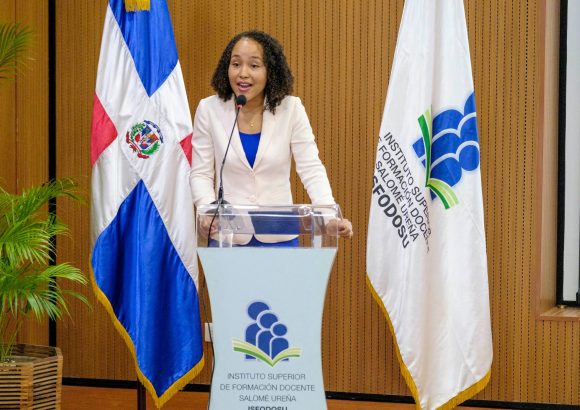
She recommended titles of fewer than 20 words and structured abstracts that clearly identify the context, objective, methodology, key results, and conclusions.
For the main manuscript, she detailed the IMRD structure—Introduction, Method, Results, and Discussion. The Introduction should move from the broader research context toward the specific knowledge gap; the Method must provide enough information to ensure reproducibility; the Results should present empirical evidence objectively; and the Discussion should interpret findings in relation to previous research while acknowledging limitations.
Báez-Vizcaíno also demonstrated specialized AI tools such as Consensus, Litmaps, and NotebookLM, while emphasizing that technology cannot replace human judgment or scholarly responsibility.
“Because artificial intelligence lacks human agency, it cannot bear academic responsibility,” she asserted. “The ultimate responsibility for data integrity, source accuracy, and published findings rests solely with the human researcher.”
Long-term impact on regional educational research
The Advanced Training Workshop No. 09/2026 underscores the value of institutional collaboration in strengthening educational research across Latin America and the Caribbean. By combining ISFODOSU’s expertise in teacher education with IESED-Chile’s research network, the initiative provided scholars with practical tools to improve the quality, clarity, and reach of their scientific production.
More importantly, the three-week program reinforced a shared vision: research generated in classrooms and educational institutions should not remain confined to internal reports. When transformed into rigorous, transparent, and accessible scholarship, it can inform policy, strengthen teacher preparation, and contribute to meaningful educational progress across the Global South.
_________________________
By Adrian R. Morales
Journalist · Writer · Editor · Translator
Santo Domingo, Dominican Republic