
JPMorgan sees opportunities to expand investments in Dominican Republic


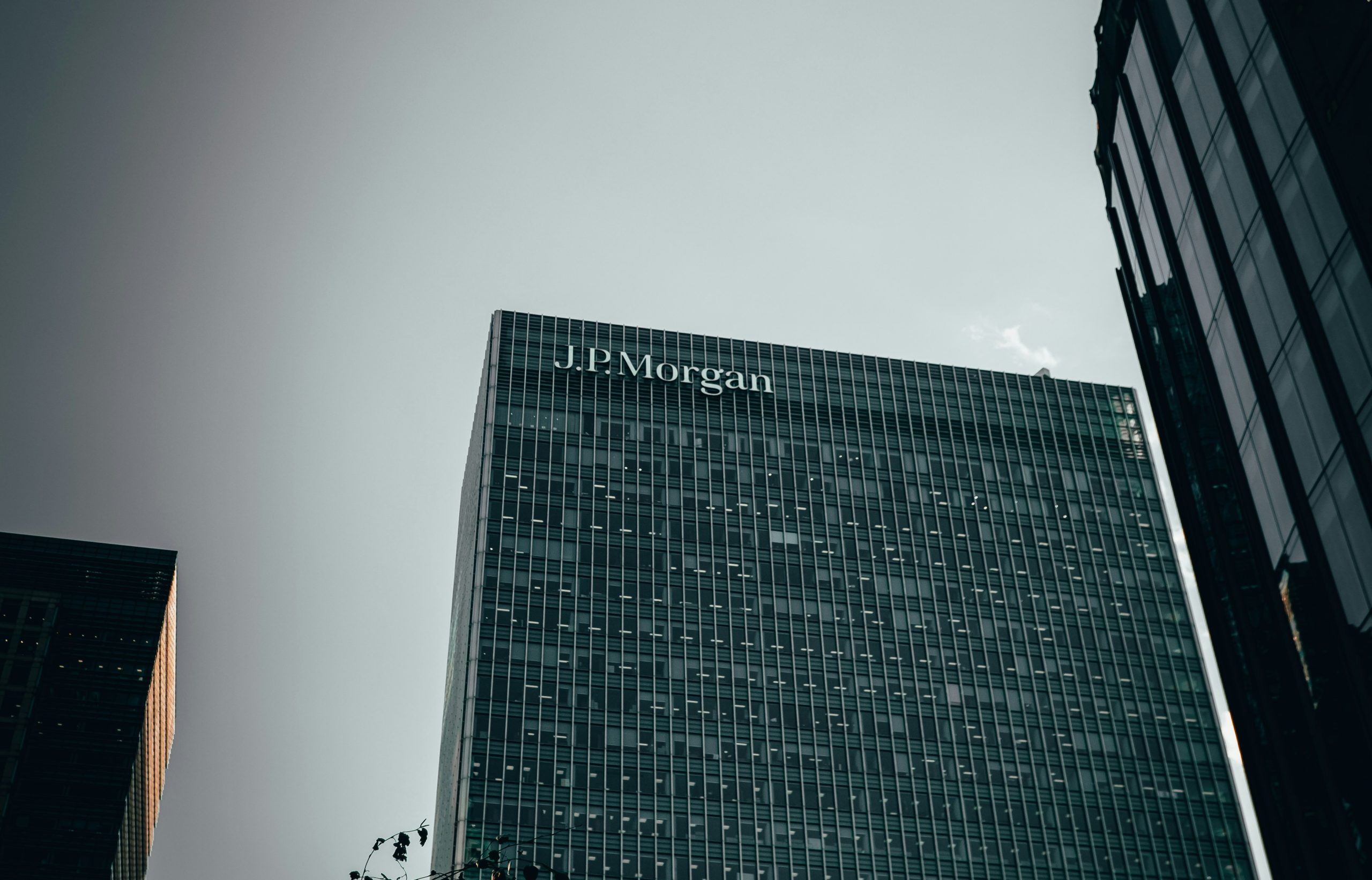
Santo Domingo.- JPMorgan has expressed interest in expanding its investment and business activity in the Dominican Republic, citing the country’s economic performance and macroeconomic fundamentals as key factors behind its outlook.
The position was discussed during a meeting between representatives of the financial institution and Central Bank of the Dominican Republic (BCRD) Governor Héctor Valdez Albizu. The JPMorgan delegation was led by Carlos Aspillaga, executive director for the public sector in Latin America.
The interest comes as the Dominican economy shows renewed momentum. The BCRD reported that economic activity grew 6.4% year-on-year in June, while the average expansion for January-June reached 4.5%. By July, the economy had maintained a 4.5% average growth for the first seven months, with construction, free zones, local manufacturing and services among the sectors supporting the expansion.
The Dominican Republic has also strengthened its position as a destination for foreign capital. Foreign direct investment reached US$3.28 billion during the first half of 2026, an increase of 7.7% from the same period in 2025. Approximately two-thirds of that amount, or US$2.19 billion, represented new capital contributions by investors. The BCRD projects that FDI could exceed US$5.3 billion for the full year.
A diversified source of foreign currency
One of the factors that makes the Dominican economy attractive to international investors is its ability to generate foreign currency through several major sources rather than depending on a single sector.
During the first half of 2026, exports totaled US$8.75 billion, while tourism generated US$6.72 billion in revenue. Remittances increased 6.7% during the period, and foreign direct investment also rose. Altogether, foreign-exchange-generating activities—including tourism, remittances, exports and FDI—brought more than US$26.5 billion into the country between January and June.
Remittances continued to grow during the following month, reaching US$7.32 billion from January through July, up 6.4% year-on-year. The BCRD said the resulting foreign-exchange flows helped support exchange-rate stability and international reserves, which stood at US$15.25 billion at the end of July.
This diversification is particularly important for the Dominican peso. According to a report attributed to JPMorgan dated August 20, the bank said the peso had appreciated 7.6% against the U.S. dollar during 2026 and recommended investor exposure to Dominican assets through sovereign bonds maturing in 2033. Reports on the bank’s analysis said JPMorgan linked the currency’s strength to the country’s diversified generation of foreign exchange through tourism, remittances, exports and foreign investment.
The BCRD has independently pointed to the same underlying factors, reporting that the peso had appreciated by around 8% against the dollar through July and that the simultaneous strength of tourism, remittances, FDI and exports was supporting the currency.
Stability amid global uncertainty
The Dominican Republic’s relative macroeconomic stability also strengthens its appeal to investors amid global uncertainty. Inflation stood at 5.47% in July, within the BCRD’s target range.
JPMorgan representatives also praised the Central Bank’s technical capabilities and its longstanding institutional relationship with the firm. Valdez Albizu highlighted the economy’s resilience and expressed interest in further strengthening cooperation with JPMorgan and the local financial market.