
Living with Parkinson’s in the Dominican Republic: between silence, struggle, and hope


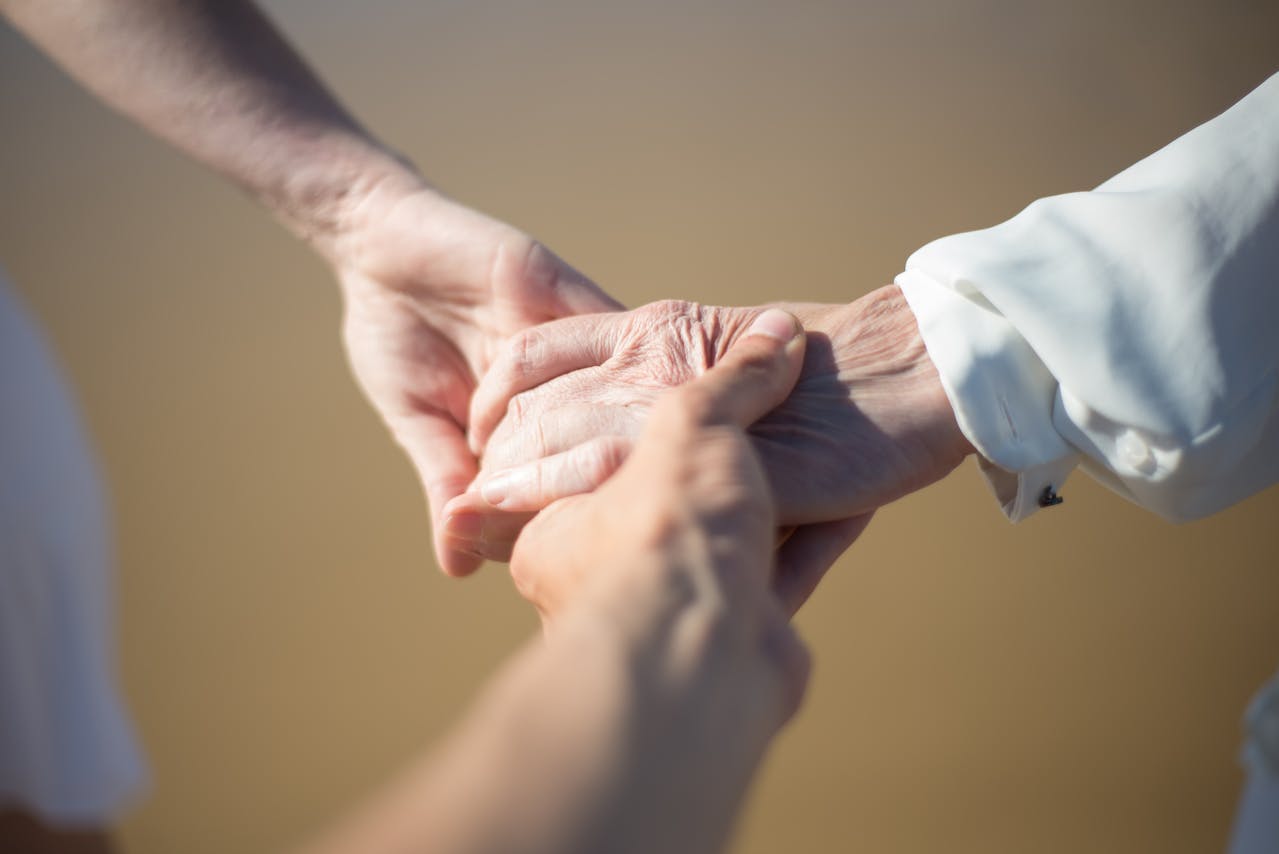
Santo Domingo.- The tremor is merely the tip of the iceberg. Beneath the involuntary movement that society recognizes at a glance — and which many patients still in their working years hide by shoving their hands into their pockets or clasping them together like a bird about to escape — lies a complex reality.
Whether due to the stigma that still permeates the population or because patients fear being perceived differently, beneath the surface lies a rigidity that has frozen their plans and dreams. It is a slowness that cannot keep pace with a rushing city that rarely stops to look at its citizens, creating an emotional burden that transforms entire households.
In the daily lives of many Dominican families, Parkinson’s is not just a medical condition; it is an experience that upends routines, redefines bonds, and, all too often, imposes a heavy silence.
Amid this reality, the Fundación Dominicana Contra el Mal de Parkinson (Dominican Parkinson’s Disease Foundation) has become a vital sanctuary for support, guidance, and the defense of dignity for those living with the condition.
A disease far beyond the diagnosis
Parkinson’s is a neurodegenerative disease that progressively strips away movement, autonomy, and, in many cases, emotional well-being.
In the Dominican Republic, the lack of clear statistics and a robust care system severely exacerbates the crisis. Many patients arrive at consultations in advanced stages, suffering from significant physical cognitive decline that directly impacts their quality of life and that of their families.
According to data from the World Health Organization (WHO), Parkinson’s is the second most common neurodegenerative disorder. Globally, one in 100 people lives with the condition, affecting an estimated 10 million individuals worldwide. In the Dominican Republic, while targeted censuses remain an unfulfilled promise, neurology clinics at major hospitals like Salvador B. Gautier or Cabral y Báez reflect a stark reality: the disease is no longer “just an issue for the elderly.” Meanwhile, the healthcare system is riddled with shortcomings, ranging from consistent access to medication to advanced therapy programs.
Compounding this is a structural failure: the exorbitant cost of prescription drugs and the severely limited coverage provided by the national health insurance system.
Loneliness: the invisible symptom
Beyond the tremors and rigidity lies another symptom — less visible, but deeply painful: loneliness.
Many patients endure social isolation, a loss of independence, and a profound sense of abandonment. According to the foundation, it is common for individuals with Parkinson’s to feel completely helpless, particularly when they lack proper support networks or reliable information.
This loneliness is as much social as it is emotional, driven by:
- A widespread public ignorance surrounding the disease
- Social stigmatization
- A severe lack of inclusive public spaces
The silent burden on families
Behind every patient is a family bearing the brunt of the disease.
Caregivers — often immediate relatives — shoulder a massive physical, emotional, and financial toll. The progressive loss of a patient’s autonomy demands:
- Constant, round-the-clock assistance
- The restructuring of professional careers
- Severe psychological exhaustion
The foundation emphasizes that Parkinson’s does not just affect the individual; it alters their entire environment, triggering a domino effect through family dynamics.
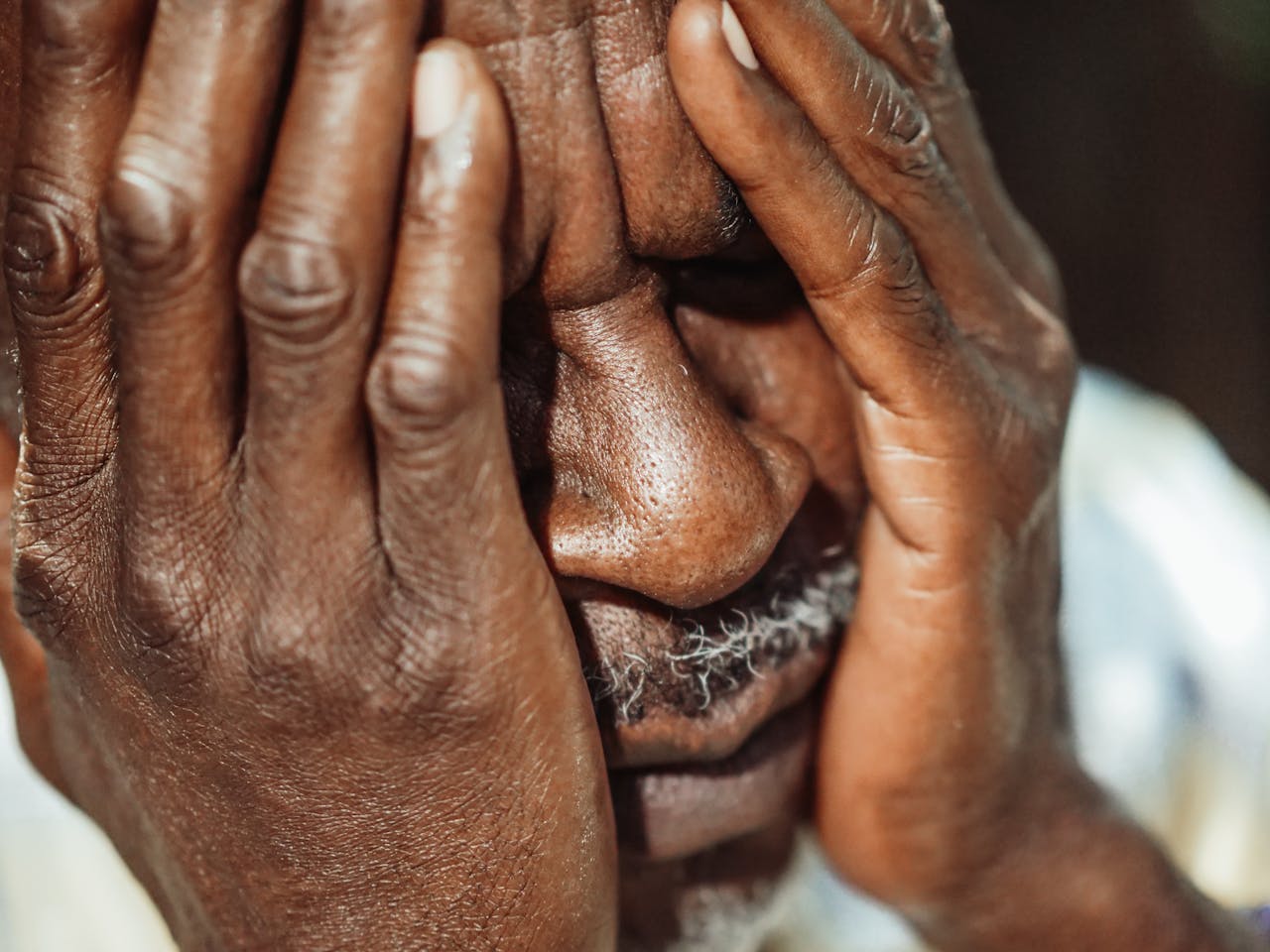
The response: support, education, and awareness
Faced with this grim landscape, the Dominican Parkinson’s Foundation has built an intervention model anchored on three pillars:
- Comprehensive care
- Medical guidance and neurological care
- Physical rehabilitation
- Psychological support
- Facilitating access to medicine
The foundation works to provide an interdisciplinary approach aimed at preserving patient quality of life.
- Education and awareness
Through lectures, workshops, and public campaigns, the organization seeks to:
- Inform the public about the pathology of the disease
- Debunk deeply ingrained myths
- Promote early diagnosis
During Parkinson’s Awareness Month, they host public events including film screenings, community gatherings, and therapeutic sessions that bring together patients, caregivers, and civil society.
- Social integration
Initiatives such as charity walks, recreational events, and solidarity marathons target a fundamental goal: breaking the isolation. These community gatherings bring visibility to patients and foster social empathy.
A system falling short
Despite these heroic efforts, monumental challenges remain:
- A lack of specialized care centers
- Highly restricted resources
- Insufficient insurance coverage for treatments
- Low public visibility
While the foundation serves hundreds of patients, it openly acknowledges that the demand vastly exceeds its operational capacity.
More than a foundation: a network of hope
Since its inception, the Dominican Parkinson’s Foundation has worked toward something deeper than clinical treatment: restoring dignity, community, and a sense of belonging. Its approach unites patients, families, and healthcare professionals into a network designed not just to treat the disease, but to humanize it.
Parkinson’s disease in the Dominican Republic remains defined by public ignorance, financial hardship, and isolation. Yet, it is also a story of fierce resilience.
Thanks to the work of organizations like the Dominican Parkinson’s Foundation, a space has opened where patients are no longer invisible. Instead, they are beginning to be heard, accompanied, and understood.
Ultimately, the true fight against Parkinson’s is not confined to medical science; it is social, emotional, and profoundly human.
Life beyond the numbers
Statistics need faces, and silence needs voices for those living “on pause.”
- Nathaly: the early awakening (age 42)
Nathaly, a mother of two and a practicing attorney, was at the peak of a career she balanced meticulously with raising her young daughters when she noticed her right hand “decided to start talking on its own” during a meeting with clients. “They told me it was stress, but I knew something in my internal motor had misaligned,” she recounts from her home in Santo Domingo Este.
At just 35 years old, Nathaly was diagnosed with early-onset Parkinson’s. Gradually, she had to abandon the courtroom. She left the private sector, and without private insurance, the cost of her medications and consultations became unsustainable. “The government insurance covers practically nothing, and on top of that, there’s school tuition and the girls… that broke me the most. I graduated with honors while raising babies; I’ve always been strong, but honestly, some days this fills me with depression or pure rage… I don’t know.”
Her story shatters the stereotype that this is exclusively a disease of old age. The social toll was devastating: she lost her job due to her employers’ lack of understanding and had to endure the judgment of onlookers who confused her symptoms with anxiety. “Parkinson’s steals your fluidity, but the hardest part is that people look at you as if you’re fragile. I am still here. My mind is still working, even if my body takes longer to execute.”
- Doña Berkys: the battle for a cup of tea (age 70)
In a modest home in the neighborhood of Los Ríos, Doña Berkys fights her daily battle at 7:30 in the morning. Her greatest desire is simply to drink a cup of tea by herself, without feeling that everything is spilling over—including her dignity as a woman who was once fiercely independent. This lifelong ritual is a small pleasure that the disease has stripped away.
“My legs feel like lead sometimes, and other times they just stop moving altogether,” she explains with a faint smile and a voice that is barely a whisper. For her, the healthcare crisis is tangible: the cost of her medication (levodopa and other drugs) consumes more than half of her income. The Dominican Republic lacks a formal, robust network of caregivers or established public health programs for neurodegenerative chronic illnesses, leaving patients like Doña Berkys at the mercy of progressing rigidity and frail public policies.
- The Cordero family: the “hidden patient”
Mariana is 68 years old and suffers from advanced Parkinson’s. This is her story, but it is also the story of her daughter Elena, who quit her job to become her full-time caregiver. The domestic impact is one of the most painful facets of the disease.
“When my mother was diagnosed, we all got sick,” Elena confesses. Parkinson’s causes deep emotional erosion. “You find out who people really are as the disease progresses; it shatters family harmony, either all at once or piece by piece. Holiday gatherings become smaller and smaller, and the burden inevitably falls on a single person.”
“It’s not just about administering a pill on schedule; it’s lifting her up when she freezes in the middle of the hallway, managing her depression, and watching how she—the woman who was my everything, the towering figure who raised me—shrinks until she fits tightly in my arms.” The absence of adult day care facilities and government support networks turns caregiving into a heroic, lonely, and thankless task.
- Carlos: art as medicine (age 71)
Not all is shadow. In a small studio within an apartment in the Zona Oriental, Carlos discovered that when he holds his books or writes to the rhythm of music, his tremors and freezing spells subside. Diagnosed 16 years ago, he resolved that Parkinson’s would not dictate the end of his social life.
“Music, reading, and writing are my therapy. If I had let myself be consumed by despondency, I would have rusted away,” he says, adjusting his posture to continue writing his fourth book. Carlos embodies the critical importance of mental balance and social integration. His story serves as a call to action to build communities where patients are not isolated but are instead encouraged to maintain their autonomy through cognitive stimulation and exercise.
A national challenge
The impact of Parkinson’s transcends the individual. From a healthcare standpoint, the country faces the urgent challenge of decentralizing neurological care, which is currently concentrated almost entirely in Santo Domingo and Santiago. On a structural level, a protection law is desperately needed to guarantee access to high-cost medications and advanced therapies, alongside full coverage for comprehensive rehabilitation programs that prevent premature disability.
The Dominican Republic requires dedicated social integration spaces, day-care centers, and a real, efficient network of caregivers, ensuring that sons and daughters do not have to drop out of the workforce, allowing them to continue contributing to society and their households.
Behind every clinical statistic from the WHO, there is a Dominican struggling to button a shirt, walking with the terrifying fear of falling, or yearning to be seen beyond their symptoms. As a society, the challenge is understanding that even if they walk slower, we cannot afford to slow down in delivering the support that is theirs by right.
_____________________
By Dr. Marcia Castillo
Parkinson’s and movement disorders specialist
Instagram: @dra.marciacastillo