

Monetary poverty falls to 13.75% in Dominican Republic in second quarter


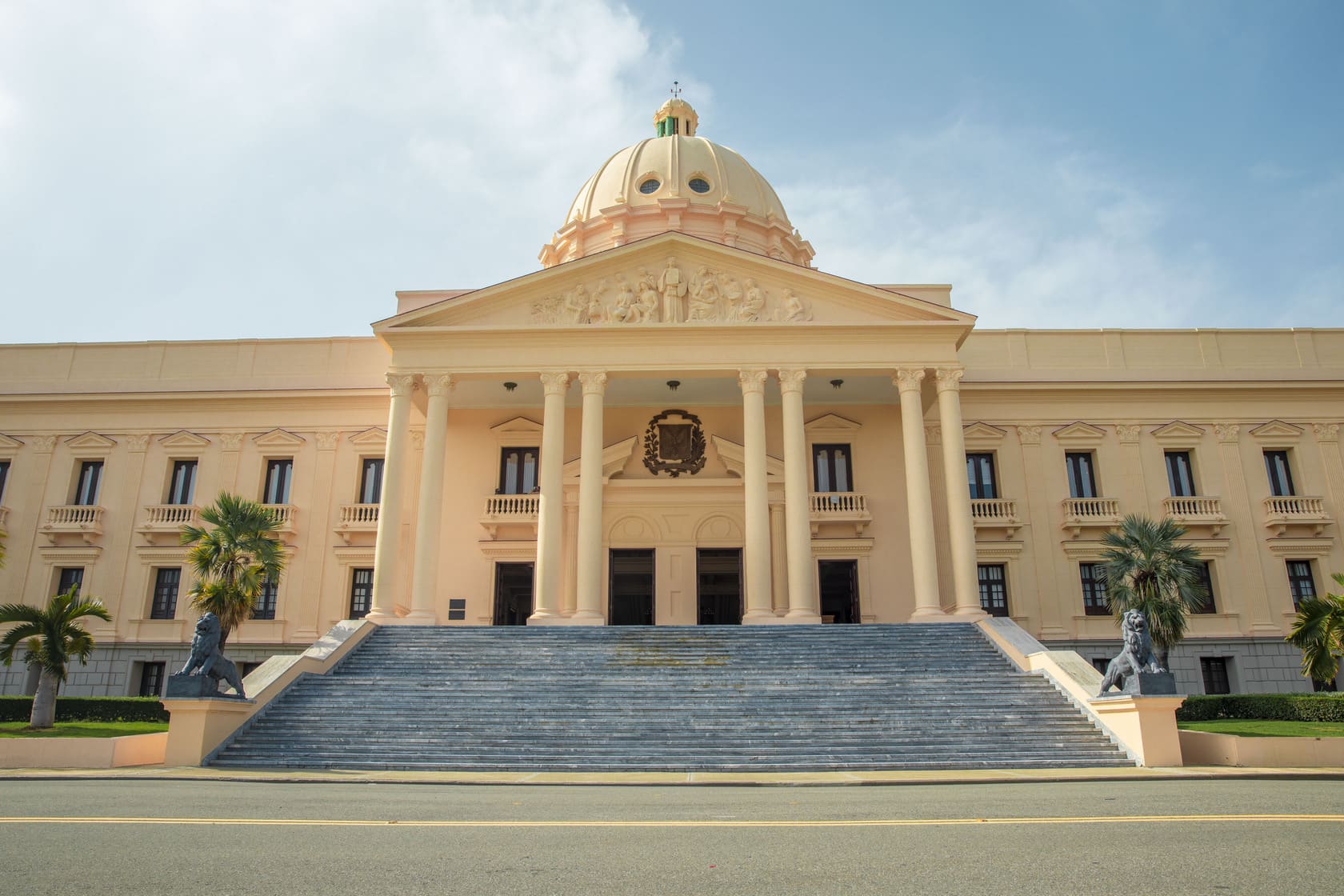
Santo Domingo.- Monetary poverty in the Dominican Republic fell to 13.75% in the second quarter of 2026, down 2.9 percentage points from the 16.65% recorded during the same period in 2025, according to Deputy Finance Minister Alexis Cruz.
Cruz, speaking alongside President Luis Abinader during La Agenda Semanal at the National Palace, said the decline continues a broader downward trend in poverty since 2019, when the rate was around 26%, despite rising to approximately 30% during the pandemic in 2020.
For the first half of 2026, monetary poverty averaged 14.58%, representing a 2.77-percentage-point decline from the 17.35% recorded during the first half of 2025.
Higher incomes and employment drive poverty reduction
Cruz attributed the improvement to minimum wage increases that outpaced inflation, growth in formal and informal employment, and expanded social programs, particularly school and family food assistance.
Labor income increased across all regions, with the Southern region recording the strongest growth at 27.4%, followed by Ozama at 13.1%, the East at 12.5% and the North at approximately 1%.
Among households in the lowest income quintile, which includes the country’s most vulnerable population, informal-sector earnings grew faster than formal-sector income. Income in this group increased by 14.4% in Ozama, 9.9% in the South, 12.4% in the North and 12.8% in the East.
Inflation remains above target
Cruz said accumulated inflation so far in 2026 stands at 5.13%, slightly above the target range, but projected that it will converge toward approximately 4.75% by the end of the year.
He argued that lower inflation helps protect the purchasing power of low-income households and said price stability has been part of government efforts to limit the impact of international economic pressures.
The poverty assessment uses several income measures, including labor income, income plus remittances, and income including other benefits, such as school meals. Cruz said the downward trend is reflected across the different measures used in the official report.
He described the results as evidence of a positive economic cycle supported by social protection policies and rising household income, with the government’s broader objective of reducing hunger and transforming poverty into a path toward economic development.


Inflation is caused by the govt, showing that they truly don’t care about the poor and everybody else they make poorer