
Piñero seals alliance to transform sargassum and regenerate coasts in the Dominican Republic


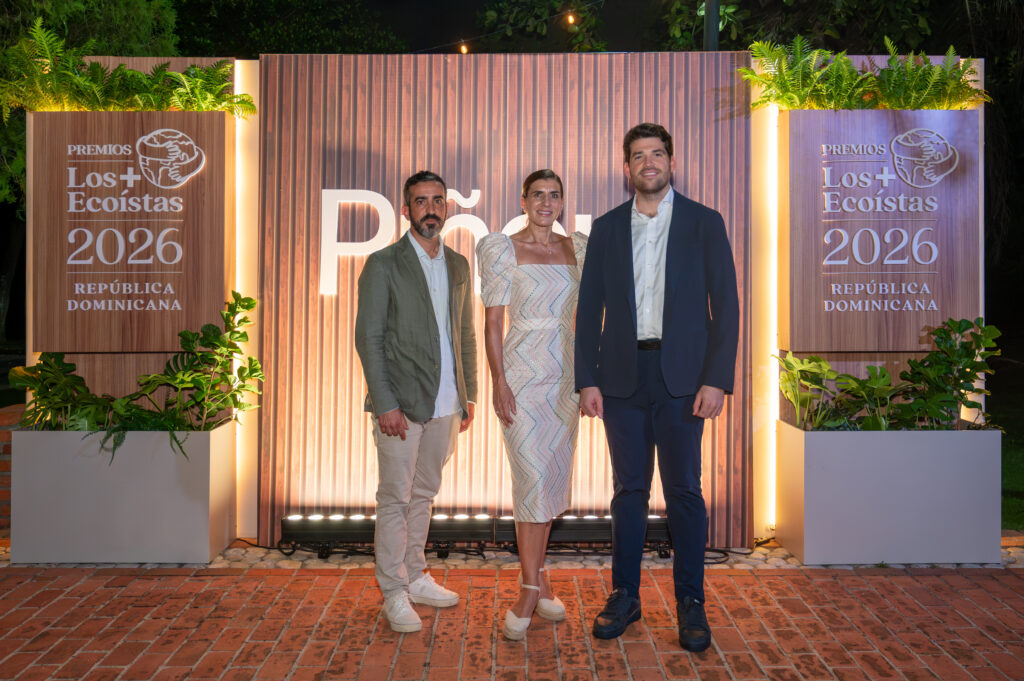
Eco-Bahia, Piñero‘s ecological foundation, has signed a strategic agreement with the marine innovation companies SOS Carbon and SOS Biotech, both led by Andrés Bisonó León, to transform the Caribbean’s climate challenges into scalable scientific solutions.
This inter-institutional alliance, which has an initial term of four years, unites the experience of Eco-Bahía as a non-profit organization dedicated to conservation with the technological capabilities of SOS Carbon and SOS Biotech, companies specializing in solutions related to Sargassum.
“This alliance marks a turning point in our environmental management; we are moving from traditional mitigation to regeneration driven by cutting-edge science. Combining our experience in the region with the technological capabilities of SOS Carbon and SOS Biotech allows us to transform a regional threat like Sargassum into a source of life for our soils, mangroves, and coastal communities,” highlighted Isabel Piñero, president of the Eco-Bahia Foundation.
For his part, Bisonó León stated that “Sargassum should not be seen solely as coastal waste, but as a high-value biological raw material if the right science is applied. By integrating our collection and biotransformation technologies with Eco-Bahía’s territorial leadership, we are demonstrating from the Dominican Republic that ecological profitability, MIT science, and the development of the blue economy can scale together.”
Potential areas of collaboration include new tools for monitoring and protecting sea turtles, one of Eco-Bahía’s flagship programs, as well as initiatives to recover native flora and restore coastal habitats. The collaboration also opens the door to evaluating applications of sargassum-derived products in degraded ecosystems and mangroves, as well as implementing cross-cutting environmental education and community engagement programs.
To ensure agile, measurable implementation, the alliance will operate through specific work plans overseen by a Technical-Strategic Committee. In applied research and blue biotechnology (BlueTech), the entities will develop scientific trials and validate biostimulants derived from marine biomass to recover mangroves, coastal dunes, degraded soils, and local agricultural crops.
In parallel, for wildlife protection, the project will implement integrated surveillance in sea turtle nesting areas using sensors and environmental monitoring, combined with specialized protocols for managing Sargassum influxes on critical beaches.
The roadmap also includes rehabilitating natural infrastructure through pilot projects to restore dune systems, strengthen native species nurseries, and technically integrate them with blue carbon capture initiatives. This entire scientific effort will be complemented by a cross-cutting focus on environmental education and community engagement, bringing training, workshops on the sustainable use of marine resources, and volunteer opportunities directly to local communities.