
Pneumonia is the leading cause of death in children under 5, reveals pediatrician


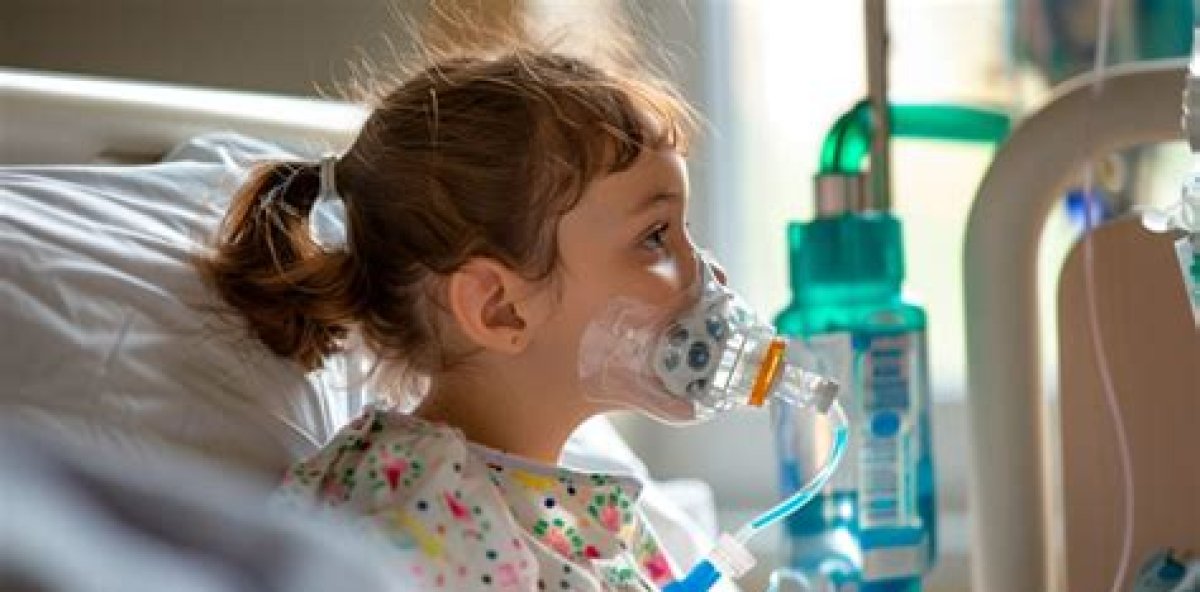
The behavior of infectious diseases in the child population keeps the national medical sector on alert.
Following an analysis of the recent clinical landscape, respiratory and gastrointestinal conditions continue to top the lists of reasons for visits to emergency rooms and pediatric clinics across the country.
In an exclusive interview with the newspaper Hoy, pediatrician Johanna García offered a detailed overview of recurring pathologies, epidemiological projections, and the most critical cause behind infant deaths in early childhood.

Pediatrician Johanna García
Same pathological pattern and serious complications
When comparing the incidence of diseases between the previous year and the current year, the specialist noted that the trend has remained practically homogeneous.

Influenza in children: Everything you need to know
” Basically, it has been the same respiratory infections, including bronchiolitis, significant cases of pneumonia, common colds, and gastrointestinal diseases that have been one of the main causes of medical consultations,” explained Dr. García.

Pneumonia is the leading cause of death in children under 5, reveals pediatrician
However, the most alarming aspect lies in the severity with which some of these conditions impact the youngest children.

Pediatrician Johanna García
When asked about the most frequent cause of infant deaths, the specialist was emphatic in stating that, “mainly among children under 5 years of age, the main cause has been pneumonia that becomes complicated,” representing the highest percentage of lethality recorded in this age group.
Projections, endemicity, and circulating viruses
Regarding the epidemiological outlook for next year, the pediatrician indicated that although it is impossible to determine future behavior with certainty, the continued circulation of common pathogens is anticipated.
Among the viruses that will continue to be present in the environment are influenza, pneumovirus, adenovirus, parainfluenza, and COVID-19.
Regarding the latter, García clarified that COVID-19 has ceased to be an extraordinary event and has become a recurring pathology across the country. “This is now permanent; it will be like dengue fever, which is already endemic to our country, only there will be times when it will be more pronounced,” he stated.
Rainy season and return to classrooms: Risk factors

Today’s
With the rainy season approaching and the school year about to resume, Dr. Johanna García urged families and schools to reinforce prevention measures:
Dengue control: Increase the elimination of mosquito breeding grounds in response to increased rainfall to curb the spread of this endemic disease.

The Aedes aegypti mosquito, better known as the tiger mosquito,
Prevention in the classroom: Maintain epidemiological surveillance at the start of classes, since close and prolonged contact between children leads to a spike in the transmission of respiratory viruses.
Timely attention: Seek immediate medical attention if you experience symptoms of respiratory distress or high fever to prevent mild cases from progressing to severe pneumonia.