
Santiago’s long-awaited monorail to begin testing in October


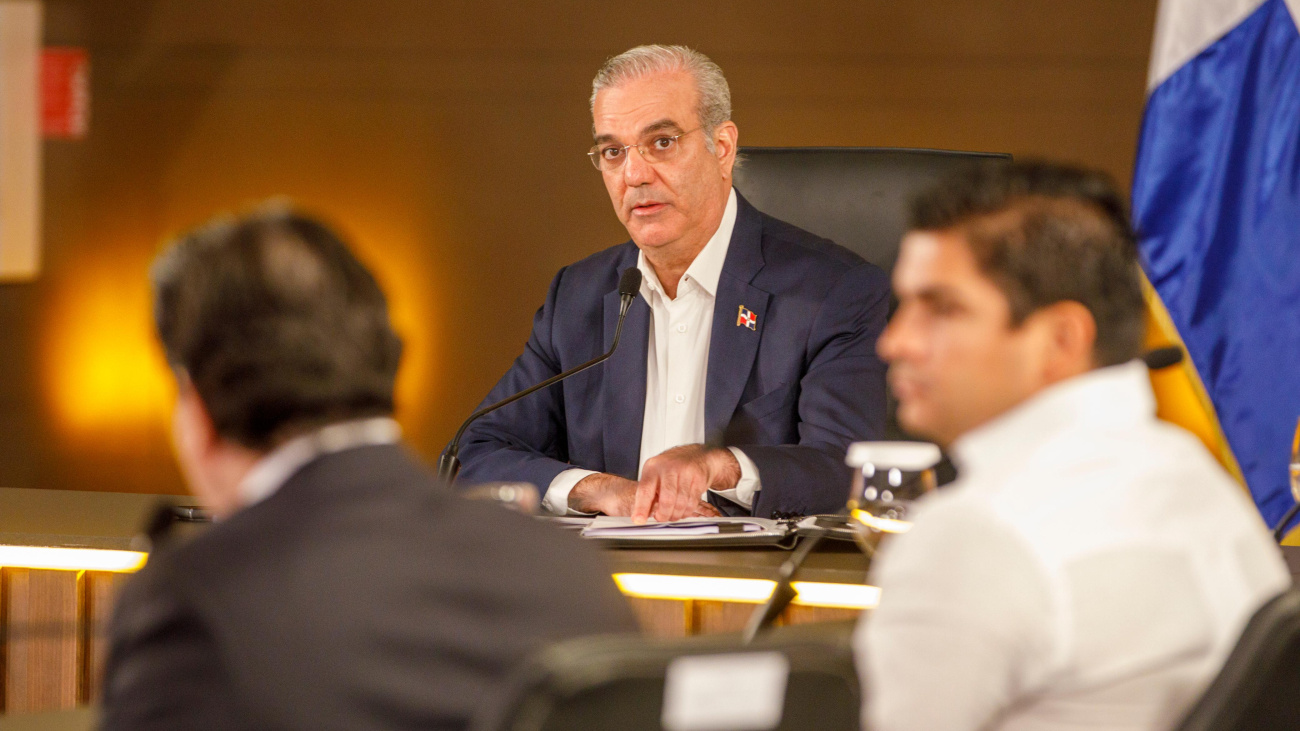
Santiago de los Caballeros.- President Luis Abinader presented Monday the progress of the Santiago Integrated Transportation System, described by authorities as the largest infrastructure and mobility project in the province’s history.
The project is part of a broader regional development strategy designed to address years of underinvestment, strengthen Santiago’s competitiveness and expand economic opportunities outside Santo Domingo.
During “LA Agenda Semanal,” held in Santiago, Jhael Isa, director of the Office of Urban and Interurban Mobility Project Development, said the initiative began its conceptualization in September 2021 alongside the Santiago Commitment and has advanced rapidly.
The centerpiece is a 13-kilometer monorail with 14 stations, trains capable of reaching speeds of 60 to 80 kilometers per hour and a frequency of approximately 90 seconds between trains.
The project also includes 4,252 piles, 662 foundations, 716 columns, 658 capitals and 1,132 beams, as well as a workshop yard, two bridges over the Gurabo and Nibaje ravines and a 500-meter trench tunnel designed to protect the Monumental Zone.
The monorail will operate as part of an integrated transportation network connecting with a cable car, seven bus corridors, and a public bicycle system. Authorities said testing is expected to begin in October, followed by guided tours and commercial operations before the end of the year.
RD$35 integrated fare
The system will use an integrated fare of RD$35, allowing passengers to transfer between OMSA buses, the cable car and monorail under a unified payment structure.
Authorities said the model is expected to reduce transportation costs for workers and students while improving connections across Santiago.
The system will connect key areas of the city, from Cienfuegos to Pekín, linking residential areas with universities, free zones and the urban center.
Its regional reach is also expected to benefit passengers from Puerto Plata, Espaillat, La Vega, Duarte and Hermanas Mirabal, strengthening Santiago’s role as the economic hub of the Cibao.
The project is intended not only to improve urban mobility but also to support economic decentralization, creating greater opportunities in Santiago and the wider Cibao region and reducing the need for residents to relocate to Santo Domingo.