

Solar energy leads the renewable energy expansion in the Dominican Republic


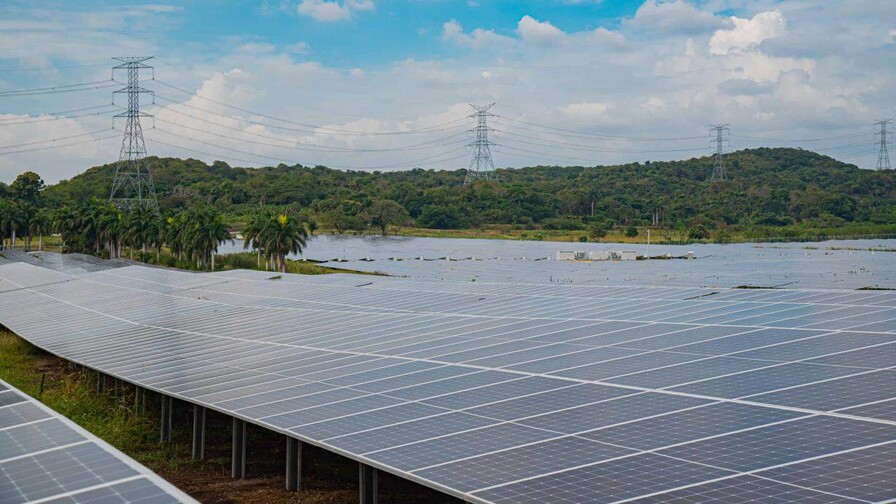
Renewable energy sources are inexhaustible and can be found in any environment, such as sunlight or wind.
In the Dominican Republic, between 2025 and June 2026, installed solar generation capacity increased by 100 megawatts (MW), strengthening clean energy’s participation in the national energy matrix, according to the National Interconnected Electric System (SENI).
SENI figures show that between 2020 and June 2026, solar generation recorded cumulative growth of 806.6% in installed capacity, making it the most dynamic renewable technology during the period.
In contrast, wind energy experienced a more moderate growth of 30.2% over those six years, while biomass and hydroelectric sources did not register increases in installed capacity.
In total, the installed capacity of renewable energy has exceeded 2,000 megawatts, amidst the Middle East conflict.
This situation makes it vulnerable to fluctuations in international oil and natural gas prices, especially during periods of geopolitical conflict and global uncertainty, when any supply disruption can translate into higher costs for electricity generation, transportation, and domestic production.
Given this scenario, the Government has opted to expand renewable energy, according to the Minister of Energy and Mines, thereby allowing approximately 25% of the nation’s energy consumption to come from clean sources.
Global and regional perspectives on the renewable energy sectorAccording to the United Nations (UN), approximately 80% of the world’s population lives in countries that depend on imported fossil fuels. This means that around 6 billion people rely on energy supplies from other nations. This situation exposes them to risks arising from geopolitical conflicts and international crises, including those in the Middle East.
Given this scenario, the International Renewable Energy Agency (IRENA) proposes that by 2050, 90% of the world’s electricity must come from renewable sources.
Fossil fuels, such as coal, oil, and gas, account for more than 80% of global energy production, although cleaner energy sources, such as renewables, are increasingly gaining strength; 29% of electricity comes from them.
Furthermore, by 2050, the energy sector would have the capacity to reduce its carbon emissions by up to 90% through decarbonizing its operations, helping slow the advance of climate change.
According to the Latin American and Caribbean Energy Organization (OLADE), Latin America accounts for 11% of the global oil supply and at least 6% of the global natural gas supply.
Only Brazil, Mexico, and Venezuela are the largest regional producers of crude oil, although Argentina, Trinidad and Tobago, and Brazil lead in natural gas production.
46% of oil production is destined for exports: 22% to the intraregional market, 31% to China, 18% to the USA, and 15% to the European Union (EU).
Energy storage growth is expected to be similar to 2025 levels (40%) worldwide this year, according to Solis Latam, which says this space is about to become a battleground for the solar and renewable energy sectors.
Battery storage was one of the fastest-growing energy technologies in the world during 2025, with global installed capacity reaching 108 gigawatts, up from 2024, according to Solaris and the International Energy Agency (IEA).
Alba Min Ye, CEO of Solis for Latin America, said that the research firm Grand View Research projects the battery energy storage market in the region could grow from $890 million in 2024 to more than $6.3 billion in 2030.


Solar panels come with expensive baggage, battery storage units.