
The Dominican Republic has recorded 415 more cases of dengue than last year.


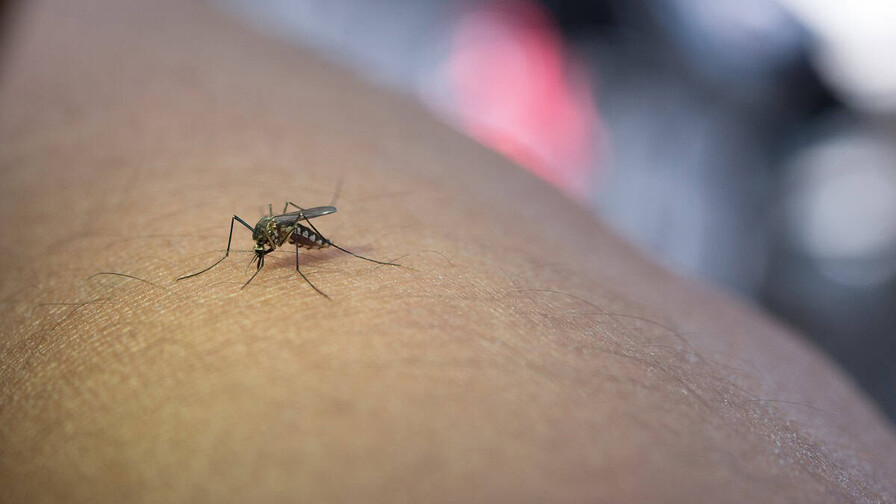
The Ministry of Public Health’s latest epidemiological bulletin reported a 146% increase in confirmed dengue cases in the country through November 14th.
By the end of epidemiological week 45 of 2026, the report found 699 infections, up from 284 in the same period of 2025, a 415-case increase.
La Altagracia leads the list of provinces with the most affected people, with 321, followed by Santo Domingo (67) and La Romana (48). These three territories account for 62.4% of the national total.
The surge is most pronounced in the last four weeks of the analyzed period, when 218 cases were confirmed, more than 11 times the figure recorded in the same interval of 2025, when 19 were counted.
People between the ages of 10 and 19 are the group most affected by the disease, with 283 diagnoses. The document also reports a single death from dengue, corresponding to a resident of Monseñor Nouel.
By sex, 193 were males, and 322 were females, representing 53.9% and 46.1%, respectively. The cumulative incidence rate increased from 3.05 cases per 100,000 inhabitants in 2025 to 7.32 in 2026.
Measures announced
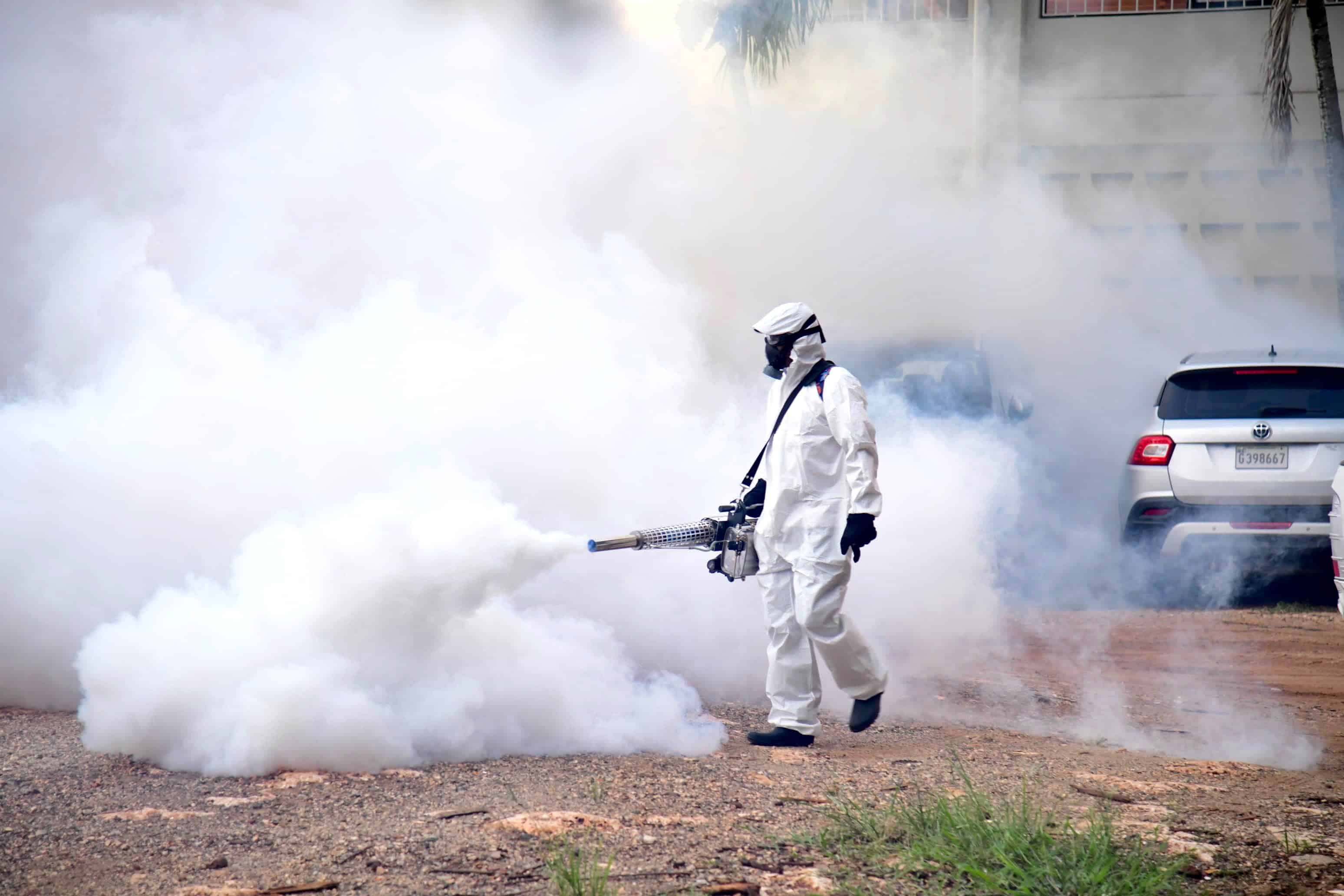
A Ministry of Public Health employee during a fumigation operation. ( PROVIDED BY THE MINISTRY OF PUBLIC HEALTH)
In an information note dated November 28, the Ministry of Public Health reported that, in response to the increase in infections, it is maintaining actions to eliminate breeding grounds, targeted fumigation, removal of potential breeding sites, application of larvicides, house-to-house visits and active search for people with fever symptoms, through its provincial and health area directorates (DPS/DAS).
Regarding the situation in La Altagracia and La Romana, Minister of Health Víctor Atallah reported that targeted intervention and control measures have been activated to contain transmission.
Amidst the heat and overcrowding, children with dengue fever are being treated at the Jaime Mota hospital.
National.
Amidst the heat and overcrowding, children with dengue fever are being treated at the Jaime Mota hospital.
According to the institution, these interventions are carried out in coordination with local authorities and community organizations , with priority given to areas where epidemiological surveillance identifies a higher circulation of the virus.
Public Health also recalled that the Pan American Health Organization (PAHO) has called for strengthening surveillance, prevention, and health service preparedness in response to the increase in dengue infections across the region.
Exhortation to the population
In this context, the institution urged the population to eliminate containers that accumulate water, clean and cover the tanks, go to health centers promptly if fever appears, and avoid self-medication .
The statement also noted that severe abdominal pain, persistent vomiting, bleeding, drowsiness, or irritability are warning signs that require immediate medical attention.