
The Dominican Republic will face a moderate but persistent risk from El Niño


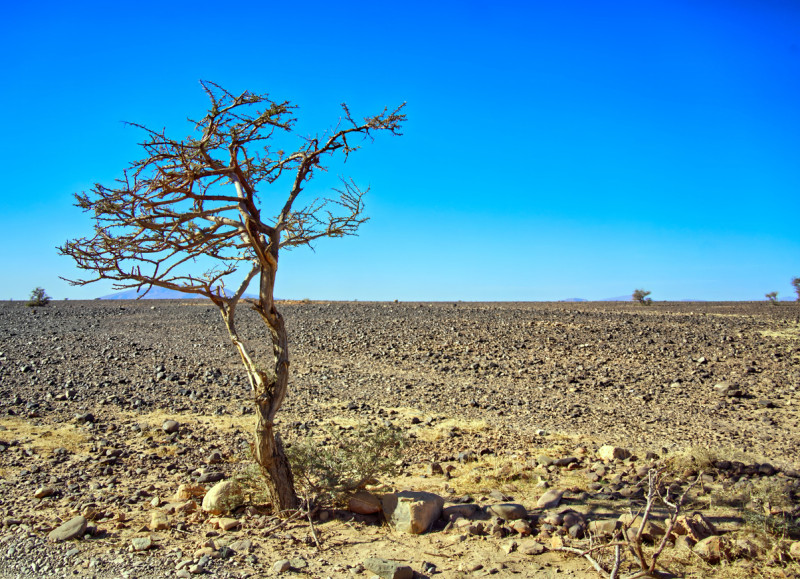
Although the country is in a more favorable position than other countries, the main risk lies not in increased rainfall, but in the combination of droughts, water stress, and high temperatures.
The El Niño climate phenomenon is active and strengthening during 2026, bringing with it a possible rise in inflation , pressure on economic growth , and greater risks for the region’s strategic sectors.
A study by the Deloitte company explains that in 2026 the meteorological event will strengthen and various international organizations warn that it could be among the most intense events observed since 1950.
Although the country is in a more favorable position than other countries, such as Panama or the Central American region, the main risk is not in increased rainfall, but in the combination of droughts , water stress and high temperatures that could affect key sectors of the economy, in addition to estimating that there is a 90% chance that El Niño could strengthen into a “very strong” event this year and subsequently in 2027.
For the Dominican Republic, its passage may present a medium/moderate level of risk due to drought because of its impact on the prices of imported goods and the resulting logistics costs, unlike the “Dry Corridor” in Central America , which is exposed to massive loss of local crops and food insecurity.
With the extended reduction in rainfall, key inputs such as fertilizers and diesel may be affected, while draft restrictions on key shipping routes increase global freight costs by up to 15%, this price increase will gradually be passed on to supermarkets and grocery stores .
“Fertilizers and diesel account for 50-70% of agricultural costs. Urea nearly doubled in price in the first half of the year, and although it later corrected, the price increase has already been passed on to the 2026 planting season. This could put pressure on companies ‘ margins ,” the document states.
The energy sector will also be affected by lower water availability in local dams , forcing a greater dependence on thermal generation from fossil fuels , increasing electricity production costs for 2022 due to the lagged effect of the weather event.
Improvement in tourism
El Niño is also notable for its warm phase associated with less cyclonic activity in the Atlantic Ocean, representing a lower risk of hurricanes and tropical storms, guaranteeing good stability for tourism, known for being one of the main drivers of foreign exchange at the national level.