
This is how the Dominican households life has changed


The ENHOGAR-MICS 2025 Basic Report provides a detailed overview of the living conditions and home infrastructure in the Dominican Republic.
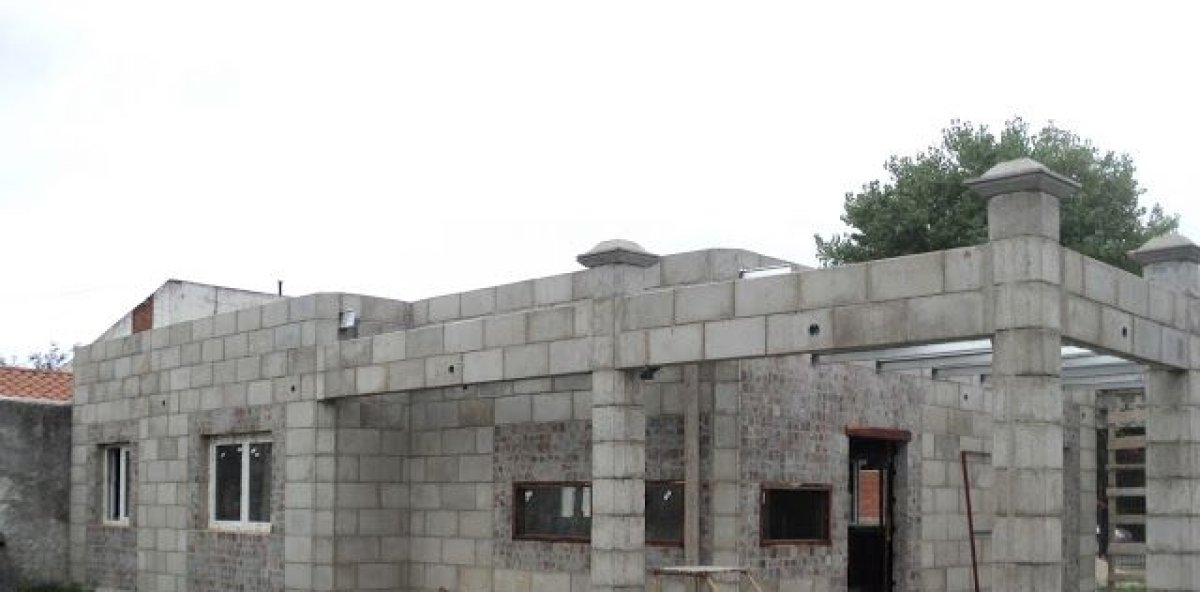
The data collected confirm the consolidation of certain resistant building materials, establishing that block or concrete is the predominant component in the walls of 84.7% of homes.
Regarding the composition of housing floors, cement continues to occupy a central place in the country’s housing infrastructure.
The report details that 46.9% of homes have cement or rustic granite floors, while materials considered more expensive, such as ceramic, marble, or tiles, are present in 43.1% of properties.
A particularly revealing aspect of the report is the legal form of property ownership, which shows completely opposite patterns when comparing the urban and rural areas.
In rural areas, homeownership predominates, with 57.3% of dwellings owned by a household member, compared to 27.6% that are rented or leased. Conversely, in the country’s urban areas, the housing situation leans mostly towards rental models due to population density.
The report indicates that 60.7% of households in cities live in rented or non-owned dwellings, leaving only 33.2% in owned dwellings in these areas.
Finally, the ENHOGAR-MICS 2025 survey assesses the availability of space and overcrowding within households, measuring the average number of people sleeping per room. Nationally, 8.9% of households experience overcrowding (defined as three or more people per bedroom), a problem that most severely affects the poorest quintile, where the rate rises to 19.5%.