
Tobacco use increases complications in a surgical procedure by 40%.


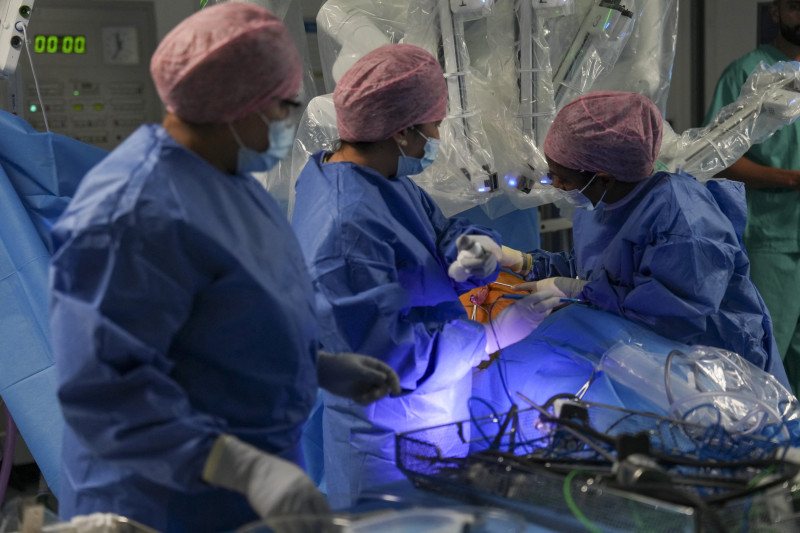
Often, people are in the middle of a surgical procedure that requires proper preparation; however, the reason for these precautions remains unknown to many patients. Therefore, Listín Diario interviewed surgeon José Barriento, who clarified the reasons for these instructions and why they cannot be ignored.
Dr. Barriento emphasized that, first and foremost, the patient must understand the pre-surgery protocol, as this ensures they arrive at the operating room in optimal condition and reduces risks.
He added that what a doctor looks for before surgery is to assess your cardiovascular condition, since the vascular system must be in excellent condition to undergo a procedure.
In addition to assessing improved lung function, there is the hepatic perspective, because the patient will be exposed to anesthetic gases and medications to be taken to the operating room, minimizing risks during and after the procedure.
On the other hand, there is anxiety or fear, normal feelings due to the nature of the situation; entering an operating room, an unknown area, can always provoke this feeling.
To counteract this, the person undergoing surgery must keep in mind that they are seeking a solution to their health problem, and without a doubt, prehabilitation, preoperative preparation, inquiry, medical history, and evaluation by different specialists will help make the surgery a success and ensure a good recovery.
Pre-surgical fasting
Regarding fasting, it is a crucial priority. “Currently, it is not necessary to keep a patient fasting for 8 hours, but at a minimum, they should be 4 to 2 hours without having ingested solid food, but it will all depend on the type of surgical procedure,” said Dr. Barriento.
He explains that the problem with having food in the stomach during surgery is that the person will be anesthetized with a tube, so if for some reason the stomach is full, the patient may experience gastroesophageal reflux , that is, food coming back up from the stomach into the esophagus and passing into the airways, which can lead to aspiration pneumonia or, in more severe cases, death.

The IMEO fast.
While liquids pass quickly into the stomach and don’t require much time, a sip of water one or two hours before surgery won’t cause any problems. For example, in cases where the patient suffers from a chronic illness requiring continuous medication, such as hypertension, it is advisable to take their medication before entering the operating room. However, it is essential that everything be done as honestly as possible before the procedure, including their medical history.
“The recommendation would be to never lie. If they’ve taken anything, drunk anything, or eaten anything, they should say so. The procedure will be postponed for two, three, or four hours, and that way the patient can go into surgery safely,” the surgeon stated. He reminded everyone that, to avoid complications, part of the responsibility lies with them as healthcare professionals, but the other part depends on the patient.
Discontinuation of medications, tobacco, and alcohol
The doctor also explained why certain medications must be discontinued or their dosages reduced before a procedure. This is because some, such as aspirin, are low-molecular-weight anticoagulants. In this case, the medication must be stopped 5 to 7 days in advance because otherwise, massive bleeding can occur, making it difficult to control.
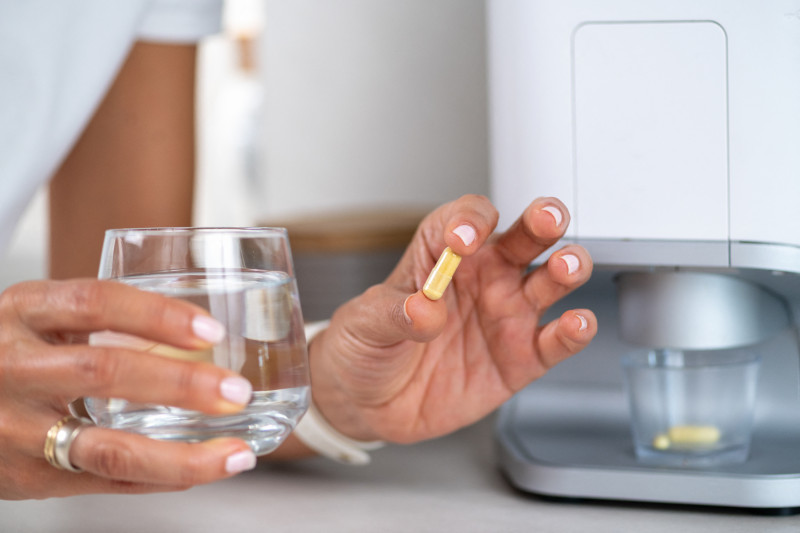
Consumption of pre-surgical medications. Science Photo Library / AFP
Another thing that must be stopped is tobacco. “Smoking should be avoided at least 4 weeks before surgery because of the influence of smoking on the healing process, and the risk of complications increases up to 40% more than in the rest of the population,” stated Dr. Barriento.
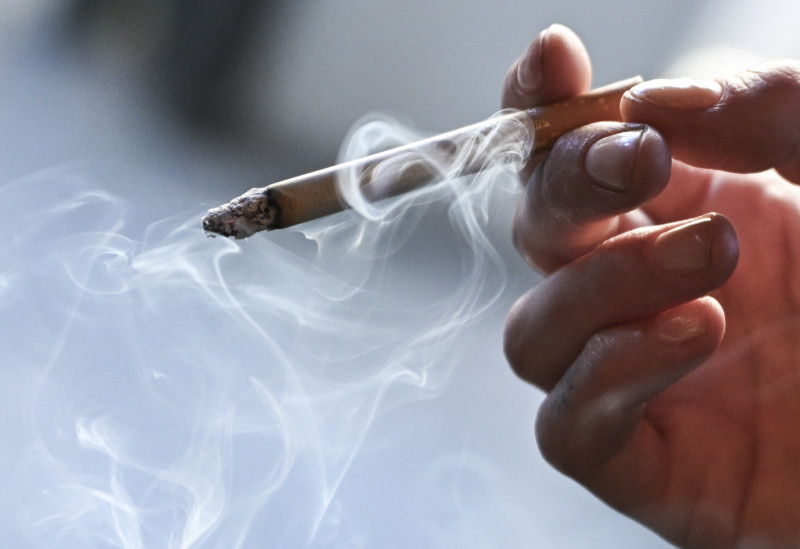
People must stop smoking at least four weeks before the procedure. dpa Picture-Alliance / AFP
Hygiene before the procedure
Hygiene and thorough cleaning before the procedure are vital to ensure the best possible outcome. In most cases, patients go to the operating room after a complete wash or bath with chlorhexidine, a powerful antiseptic to eliminate germs. It’s always best to remove all accessories and avoid acrylic or painted nails.
The issue with fingernails is that these products should be avoided to prevent blocking the accurate measurement of vital signs, such as oximetry, because they are placed in this area; if other materials are present, an adequate evaluation cannot be made.

Acrylic nails must be removed before surgery to allow for better vital signs. Getty Images / AFP
Attitude and honesty
In conclusion, the surgeon states, “The patient should always go into surgery with a positive attitude, always speaking truthfully about their background, medical history, substance use, diet, and medication. It is important that the attending physician is aware of all this; nothing should ever be hidden .”
Just as following the rules and regulations and carrying out the necessary assessments, even if they seem excessive and tedious, are essential to reduce risks and ensure a better resolution of your surgical problem and avoid complications.
With a positive attitude, you should be open to dialogue; it’s always good to talk to the doctor about the pros and cons, the possible complications of this procedure, its advantages and disadvantages, and the approach, whether it’s a traditional or laparoscopic route.
And given the wave of people who operate or work in the health field without having the slightest knowledge, it is necessary to verify and request certifications or be aware that the doctor who is going to treat you is prepared, qualified, certified, and duly registered in the Dominican Medical Association, in the case of surgeons, in the College of Surgeons or in their different collegiate entities.