
What is the El Niño weather phenomenon?


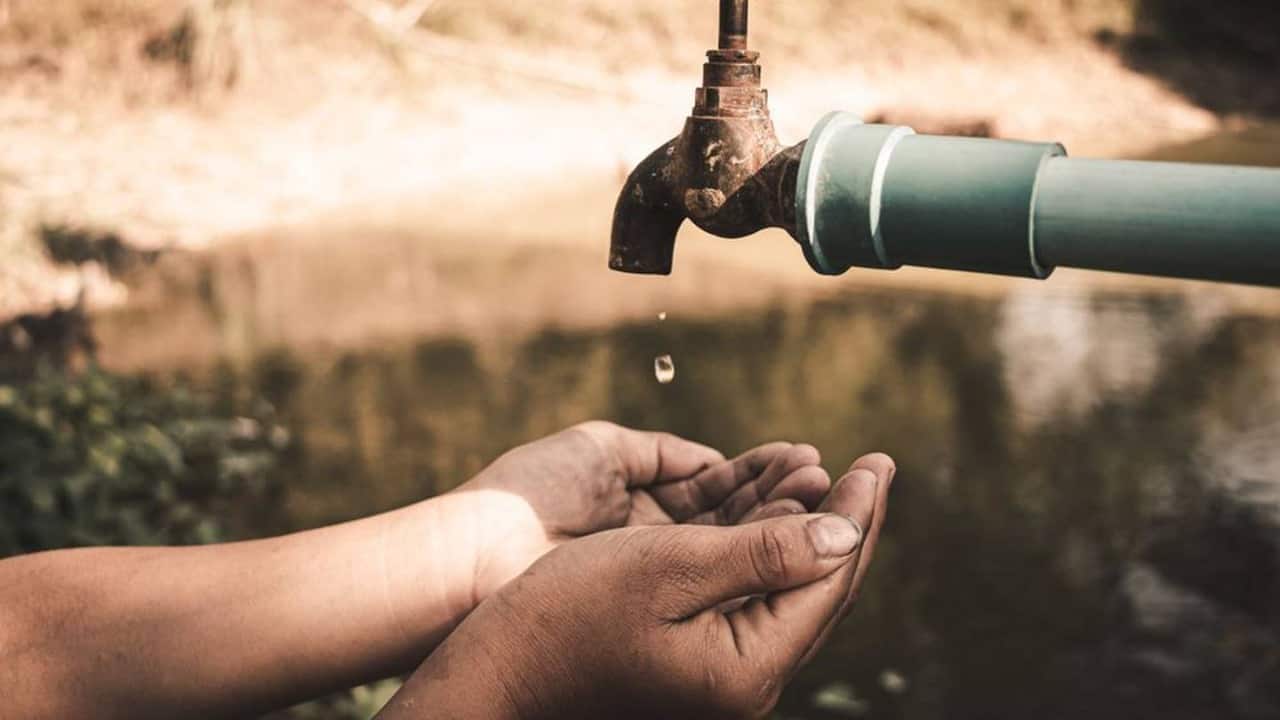
In the coming months, the weather phenomenon known as El Niño will intensify further, becoming very strong and persisting at least until next February, altering rainfall and temperature patterns around the world. But what exactly is it?
El Niño is one of the phases of a naturally occurring climate pattern called the El Niño -Southern Oscillation (ENSO), according to the World Meteorological Organization (WMO).
Specifically, this phenomenon, which usually occurs every two to seven years, causes a rise in temperatures over the central and eastern equatorial Pacific and, at the same time, leads to changes in the atmosphere above its waters.
1. The Boy and the Girl
There is another phase in the ENSO climate pattern, known as La Niña; the difference is in temperature: El Niño is a warm phase, while La Niña is a cold phase.
An El Niño episode can last up to a year and a half, while a La Niña episode can last up to three years.
It was the sailors and fishermen of the region who, upon realizing that a warm current caused a general reduction in catches around Christmas time, decided to name this phenomenon El Niño in reference to the baby Jesus, the WMO reports
2. It warms the entire planet
El Niño events alter temperature patterns and modify rainfall distribution across regions, generally exerting a warming effect on the global climate, with effects that occur a year later.
Thus, 2024 was the warmest year on record due to the combination of the 2023/24 El Niño and climate change.
This year, one of the most alarming findings among scientists is the excessive increase in sea temperatures, even below the surface, where, in some areas, they have exceeded the average by more than 8 degrees.
3. Many areas of action
El Niño is associated with increased rainfall and flooding in parts of South America, East Africa, and the southern United States.
It is also associated with drought in eastern and northern Australia, Indonesia, southern Africa, and parts of southern Asia, as well as less hurricane activity in the Atlantic.
4. It affects society
From a social perspective, the most serious impact is a decrease in agricultural production, which means communities lose access to food and prices rise in the rest of the world.
This year, in regions of Central America, altered rainfall patterns have caused severe drought and water scarcity, which has been catastrophic for corn crops and has affected thousands of farming families.
In India, monsoon rains (caused by seasonal changes in wind direction) have been below normal in August, and these conditions are expected to continue into September, which will also have detrimental effects on agriculture.
5. It is not synonymous with disaster
The Secretary-General of the WMO, Celeste Saulo, assured this Thursday that although this El Niño is expected to reach very strong intensity, it does not mean it will cause a catastrophe.
“It does not mean there is a 100% probability of a flood, a drought, or even a heat wave occurring in a particular country,” he stated.
“We have the knowledge and tools necessary to prevent the dangers related to El Niño from becoming a crisis,” he added.