 Smaller
 Bigger
National Coffee Day Producers call for greater investment in coffee production
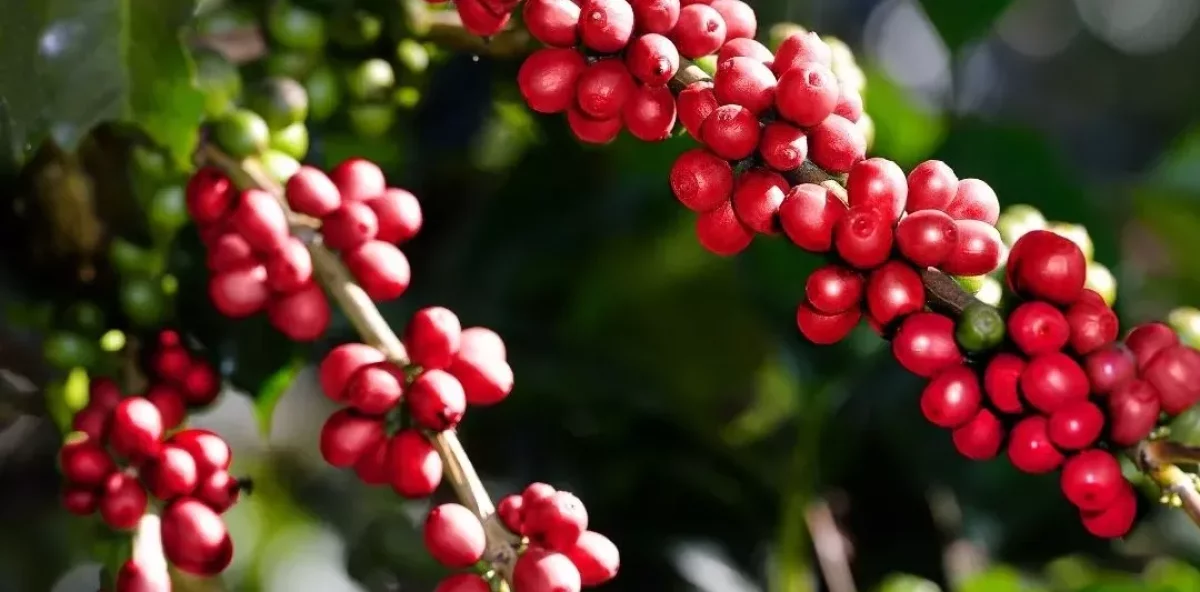
On this day, April 11, National Coffee Day, the National Network of Coffee Producers and Entrepreneurs (REPROCA) considered the lack of attention and neglect by the authorities towards coffee, a sector of economic, environmental, and social importance, incomprehensible.
He stated that the Government allocates approximately 350 million pesos annually to the National Coffee Institute (INDOCAFE), the state institution responsible for promoting coffee production. Still, most of it goes toward payroll expenses.
He said that national coffee production has increased from 309,000 quintals in 2018 to 458,000 quintals last year, and could double if the Government increases investment in the coffee sector.
He stated that 23,000 families depend on grain production, and 50,000 permanent jobs depend on this agricultural activity, as well as 500,000 jobs generated by each harvest.
“This April 11, National Coffee Day was celebrated with joy and recognition of its contribution to the dynamism of our society. Today we feel indifference and apathy as an attitude towards the plight of thousands of families whose main activity is coffee farming, a situation that has increased in recent years,” he commented in a statement.
The business organization asserts that the national day has its origins in Dominican coffee farming in 2010, a date from which conditions have developed, leading to a decline in national coffee production.
He reported that prices in the international market have risen from $5,500 per quintal in 2021 to $23,000 per quintal in 2025, and that national authorities have not used this to invest and increase the country’s income from coffee exports.
He added that the impact of Coffee Rust and the Coffee Berry Borer opened the external and internal conditions towards the deterioration of typical coffee farming, which was followed by the exclusion of the participation of small local producers in the Dominican Coffee Council (CODOCAFE), when that body was replaced by the current Dominican Coffee Institute (INDOCAFE) and the loss of co-governance of public coffee policies.
“Between the years 2020-2026, in none of them have the programmed financings in the national budget exceeded RD$370 million per year, and the budget is practically limited to the payment of payrolls, mainly,” the entity states.
He pointed out that a lot of coffee is still consumed in the country. Still, Dominicans are unaware that more than 60 percent of the coffee consumed in the Dominican Republic is not Dominican.
“This consumption situation will ultimately affect established national brands and many entrepreneurs who, with local brands and ventures, defend the national market and coffee as a national heritage,” he said.
He emphasized that they have repeatedly approached President Luis Abinader with proposals to establish a policy to relaunch Dominican coffee farming.
He stated that his suggestions aim to take advantage of favorable international market prices and positively impact the economy, with a reduction in imports (which reach 4 billion pesos) and an increase in exports.
“We have emphasized the role of coffee farming in the environmental sustainability of soils and mountains, guaranteeing water for dams and canals,” highlighted REPROCA, which brings together more than 40 organizations of small and medium-sized coffee producers and roasters.
He explained that “addressing the challenges facing the coffee sector means moving towards the implementation of a comprehensive policy for rural development. Without rural development, there will be no comprehensive national development.”