 Smaller
 Bigger
Sargassum levels are decreasing in Punta Cana
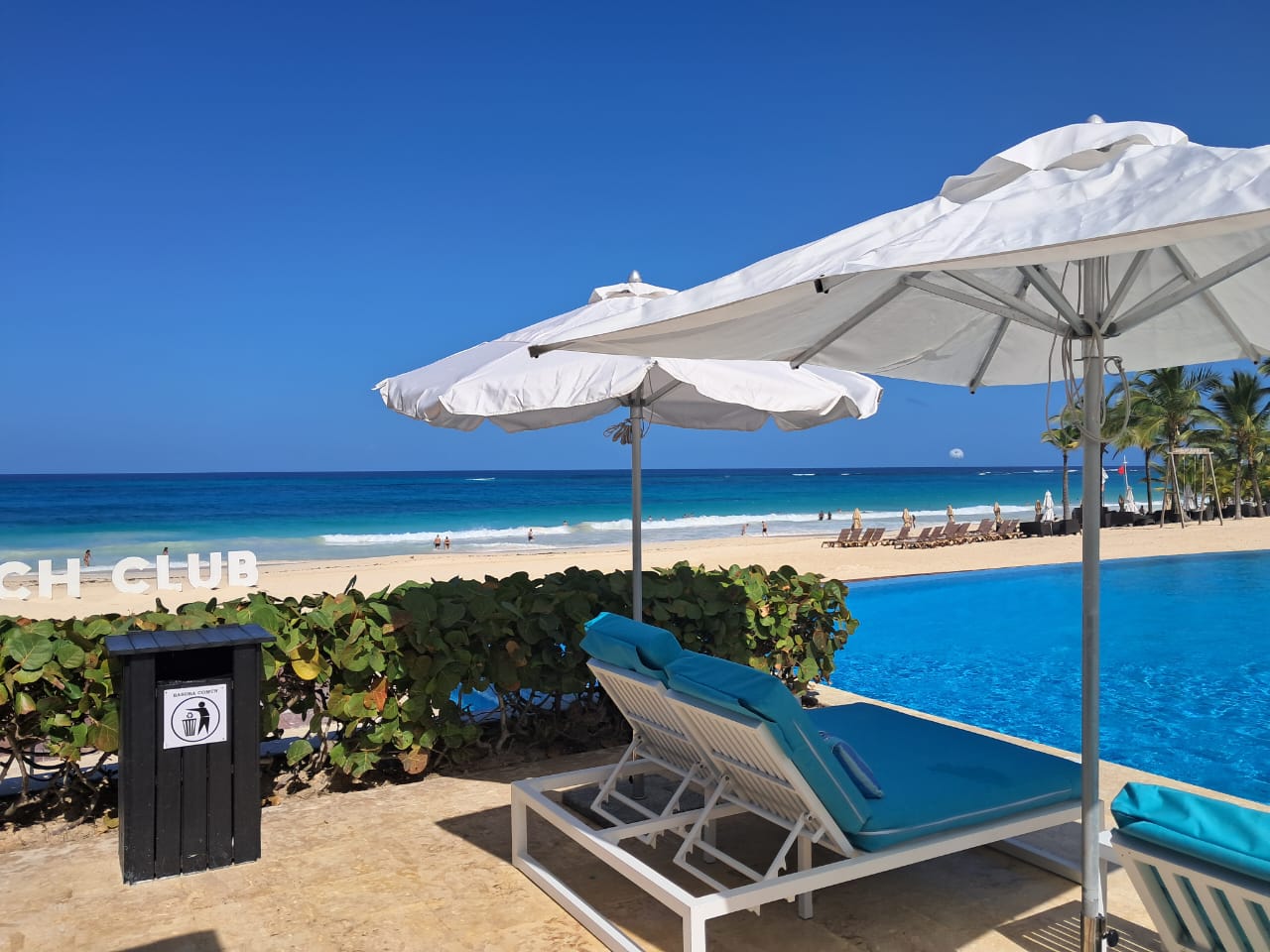
A very encouraging situation is unfolding in the Dominican Republic’s leading tourist destination: the Sargassum has almost completely receded. That’s right, the beaches of Punta Cana are once again displaying the characteristic splendor they possessed before being affected by the harmful seaweed.
This withdrawal coincides with the start of the peak tourist season in the Dominican Republic, which is good news. It’s refreshing to see the beaches of the large resorts and practically all the hotels and residential complexes with hardly any Sargassum, as shown in the image of Cana Bay accompanying this report.
This incentive adds to the high occupancy levels that the Eastern region has been registering, as evidenced by statistics released by public and private entities, reflecting a tremendous growth in that area, even during the months of the traditional low season.
The current Sargassum respite will allow tourists to fully enjoy their vacations, avoiding the need to relocate to other destinations within the Dominican Republic, as happened with hotel chains that had to accommodate their guests in Bayahibe to “save” their vacations. ( Tourists opt for hotels in Bayahibe as it is “free of sargassum” ).
In the Dominican Republic, as throughout the Caribbean, this unwelcome plant represents one of the main challenges for the tourism industry, resulting in millions of dollars in losses for many destinations in the region. It’s undoubtedly a significant headache for hoteliers and governments.
Our media outlet has reported on this problem, which directly threatens tourism. So much so that President Luis Abinader himself, in his address to the 80th session of the United Nations General Assembly, dedicated part of his message to the urgent need for Caribbean countries to address the Sargassum problem. ( Abinader raises the Caribbean’s urgent need to address Sargassum at the UN ).
Although it has not been completely eradicated from the country’s coasts, it is encouraging to know that the dreaded Sargassum is almost gone from the eastern tourist area.