 Smaller
 Bigger
Communities in Montecristi transform the devil fish into a productive alternative
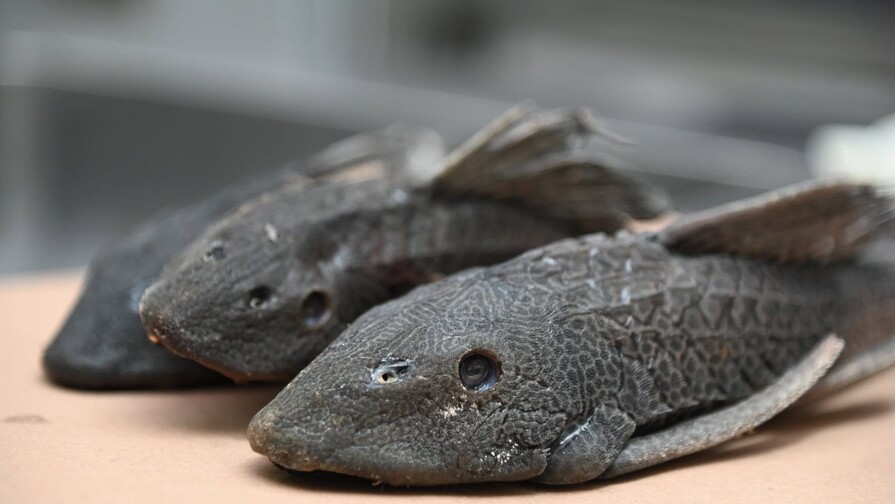
Santo Domingo – The devil fish, an invasive species that has altered the ecological balance of the Saladilla Lagoon in the province of Montecristi, is beginning to be used as a productive resource in an initiative that seeks to turn an environmental problem into a sustainable economic opportunity for local communities.
The project, spearheaded by the organization People for Development (AVSI Dominican Republic) in coordination with the Ministry of the Environment, envisions producing fishmeal from this and other invasive species. The devil fish is native to the Amazon basin, and its proliferation has reduced the presence of fish such as tilapia and negatively impacted both the ecosystem and fishing in the area.
The flour made from devil fish is processed by community members and will undergo laboratory analysis to validate its use as an organic fertilizer and a feed supplement for livestock, the Ministry of Environment said in a statement.
This approach represents a shift in focus towards the invasive species: instead of being limited to its control, it is integrated into a production chain that could generate income and strengthen the local economy.
According to Gustavo Benigno Toribio, AVSI project manager, the value of this pilot experience lies in its ability to expand economic opportunities beyond the direct beneficiaries, impacting the communities that depend on the lagoon.
This level of appropriation opens the possibility of creating a community microenterprise , aimed at converting a species without productive value into a sustainable economic asset.
Furthermore, the project incorporates the participation of organized women in the processing phase, strengthening inclusion and boosting the local production chain.
The initiative’s progress was confirmed on March 26, 2026, during a visit to the production site by Marina Hernández, Director of Biodiversity at the Ministry of Environment, who observed the initial results of the transformation process.
The initiative is part of a larger project to strengthen environmental management at the Laguna Saladilla Wildlife Refuge, funded by the Japan International Cooperation Agency.
Environmental education as a cross-cutting theme
In parallel, the project includes an environmental education program for students and teachers, with modules addressing topics such as invasive species, ecosystems, and the impacts of productive activities.
These actions aim to deepen understanding of the problem posed by the devil fish while promoting practical solutions at the community level.