 Smaller
 Bigger
What does flood insurance really cover? A guide to protecting your assets.
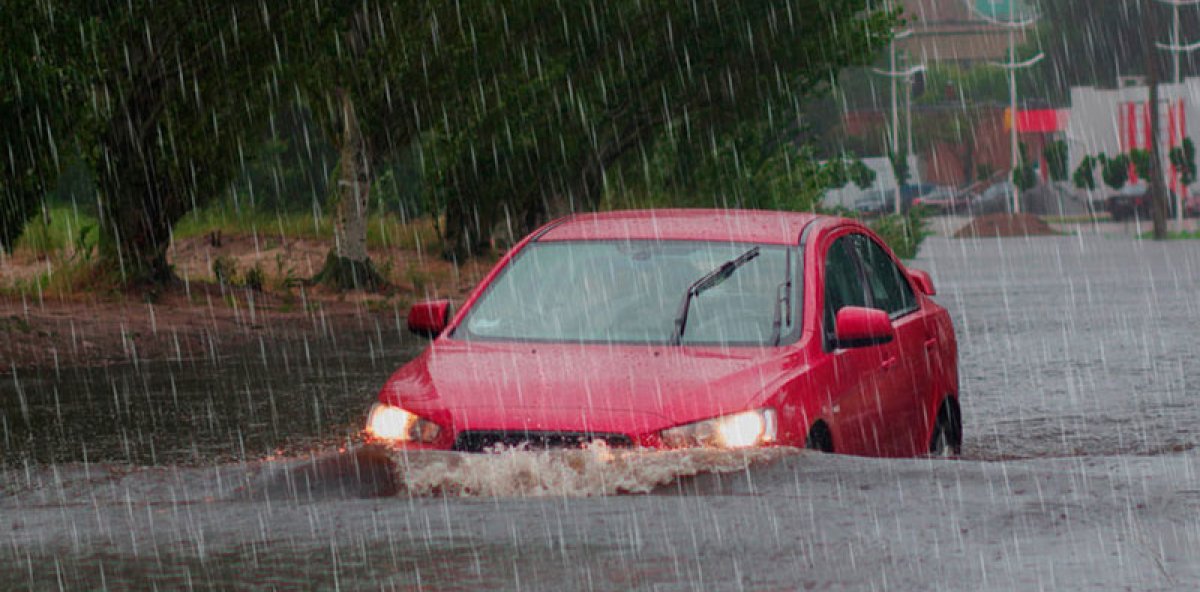
Given the increasing frequency of extreme weather events, understanding insurance policies has become vital for protecting assets. Mapfre executives have clarified car insurance coverage, emphasizing the importance of reading the fine print before an accident occurs.
Home and Industry: The origin of water matters
Yesenia Vásquez, Technical Director of General and Property Insurance at Mapfre, clarified that, by default, multi-risk policies include flood protection. However, there is a commercial exception: the client can choose to voluntarily exclude it to lower the premium, a decision that could prove costly in the long run.
Technically, flooding is defined as water inundating exterior areas and penetrating the property, affecting both the physical structure (walls and floors) and the contents (furniture and equipment). However, Vásquez was emphatic in defining the risk:
“Leaks from clogged pipes, leaking roofs, or maintenance deficiencies are not considered flooding. These types of damages are not covered,” the executive explained.
What does flood insurance really cover? A guide to protecting your assets.
Automobiles: The myth of “Full Coverage Insurance.”
In the vehicle segment, the situation is different. Francisco Pérez Cuevas, the company’s Technical Director of Auto Insurance, warned that water damage coverage is not always automatic. For a vehicle to be protected, this clause must be purchased as an add-on to the basic insurance policy.
Pérez Cuevas cautioned against using the term “full coverage insurance,” describing it as more of a marketing concept than a technical one. “It doesn’t necessarily cover everything. It’s essential that the insured review the specific coverages and explicitly ask if their policy includes water damage or flooding,” he noted.
Quick guide for the insured
To avoid surprises when making a claim, experts suggest being clear about three fundamental differences:
Flooding vs. Leaking: Insurance covers external and extraordinary events. Failures due to the lack of maintenance of pipes or roofs are the owner’s responsibility.
Contents and Structure: In properties, water damage can damage everything from the foundations to the appliances; check that both are declared.
Contract Review: Do not assume coverage based on the trade name of your policy. Ask your advisor for a breakdown of excluded risks.
Effective protection of homes and vehicles depends not only on paying for an insurance policy, but also on understanding its true scope. The difference between successful property recovery and total loss lies in the contractual clarity regarding what constitutes a natural disaster and what constitutes a failure to take preventative measures.