

 Smaller
 Bigger
UNACA urges immediate halt to rice imports
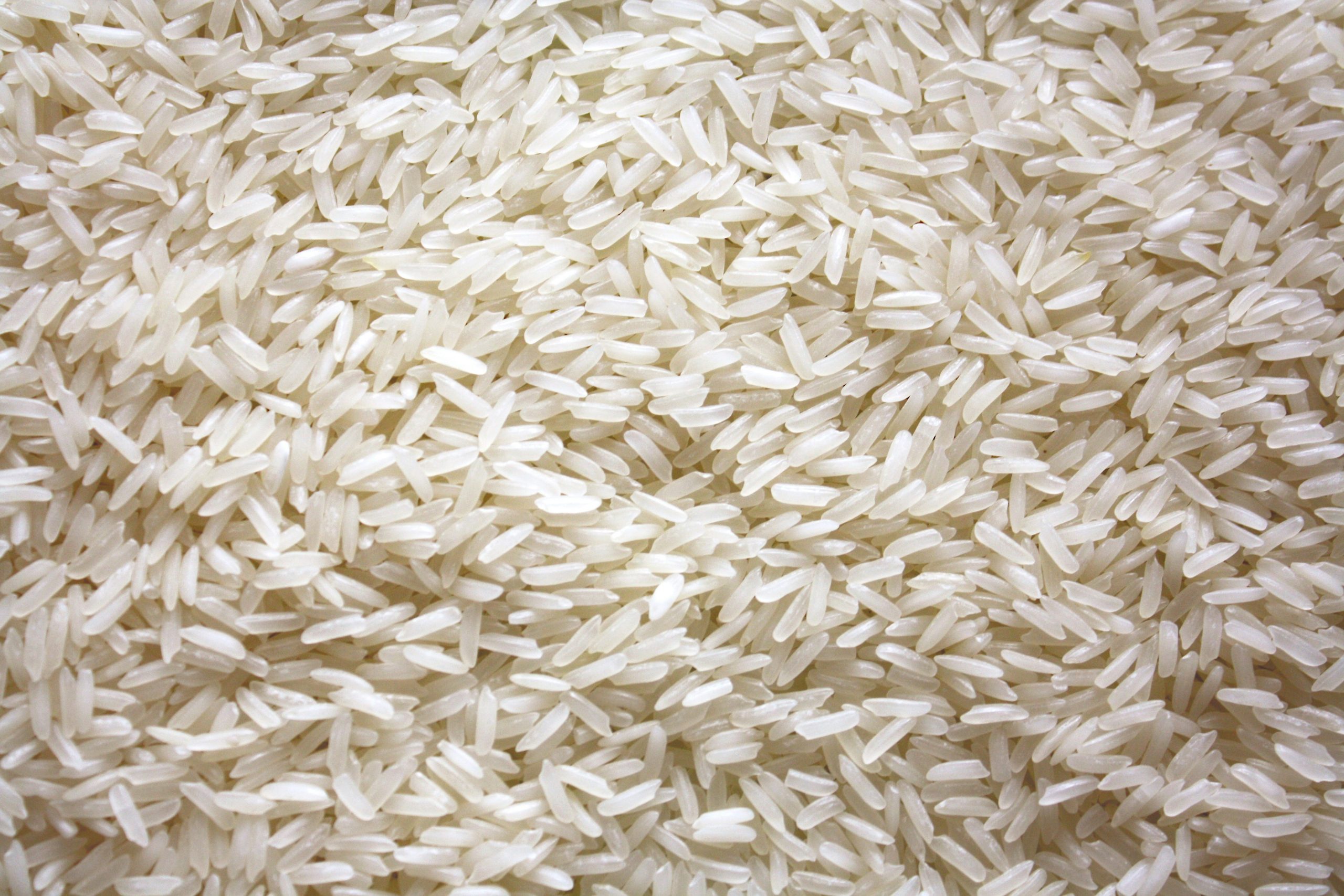
Santo Domingo.- The National Peasant Union (UNACA), affiliated with the National Confederation of Dominican Workers (CNTD), has issued an urgent appeal to the Dominican government to suspend rice imports, warning that the excessive influx of foreign rice is driving thousands of local producers—particularly in the northeast—into bankruptcy.
According to UNACA President Juan Ramón Rondón, over four million metric tons of rice were authorized for import in 2024, far surpassing the 23,300-ton limit established by Decree 693-24. This oversupply has saturated the market, causing prices to plummet and threatening the viability of more than 7,000 small and medium-sized producers in provinces such as María Trinidad Sánchez, Duarte, Hermanas Mirabal, and Samaná.
Rondón criticized the issuance of import permits to business groups outside the agricultural sector, claiming they profit while local farmers face collapse. He emphasized that national production is capable of meeting domestic demand through March 2026 and warned that continued imports risk dismantling decades of progress in the Dominican countryside.
In addition to the economic impact, UNACA highlighted a breakdown in technical support, with only one of seven agricultural technicians still active in the region. “We’ve raised our concerns with various agriculture ministers, but our warnings have gone unheard,” Rondón said. “We cannot stay silent while national production is destroyed and rural communities are pushed into poverty.”







Protejan las industria locales!
So the local producers are paid less as a result of the imported rice, but the price in the shops does not reflect a lower wholesale price. Profiteering at the expense of the local growers and the consumer.
The price a local farmer pays when your country enters the global game. The global game is so much more broad and has a bigger impact than the local game to the point that when you get into something you think you know what you’re doing until you see the real impact. That happens in all countries.