
 Smaller
 Bigger
64 Dominican pesos per dollar: What does it mean for your wallet?
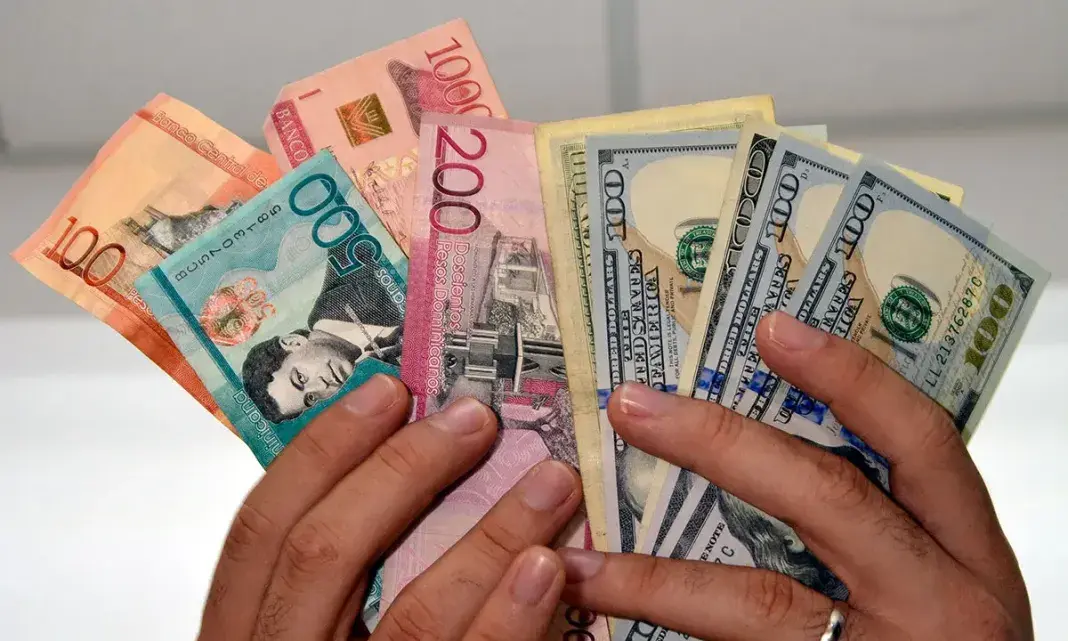
Economist Richard Medina, academic coordinator of the Economics program at the Santo Domingo Institute of Technology (INTEC), explained the causes behind the recent increase in the exchange rate of the dollar against the Dominican peso, which is currently around RD$64.05, with variations according to the bank.
During his participation in the program El Sol de la Tarde, Medina attributed the exchange pressure to the abundance of pesos in circulation, as a result of the release of legal reserve funds by the Central Bank a few months ago.
This measure was intended to stimulate the economy, but has generated a drop in passive interest rates, which has encouraged investors to demand dollars as a financial refuge.
“When there are a lot of pesos on the street, the interest rate goes down and people start to look for dollars because they offer a better return,” explained Medina.
Although President Luis Abinader affirmed that this behavior was foreseen in the budget planning, Medina pointed out that what has generated concern is the speed of the increase in the last two months. The dollar rose from RD$58 to more than RD$64 in a short period, which has sparked concern among economic sectors and consumers.
What will the Central Bank do?
Medina anticipated that the Central Bank could apply restrictive monetary policy measures to stabilize the rate, such as collecting money from the market.
Historically, the dollar in the Dominican Republic rises between 3% and 5% annually, so the current increase of 4.3% since December is within the expected range.

Central Bank
IMF visit: technical review and recommendations
Regarding the visit of a mission of the International Monetary Fund (IMF) to the country, Medina clarified that this is the annual review of Article 4, a technical evaluation that is carried out in all member countries. The 12-day duration is standard and does not represent an extraordinary situation.
The economist expects that the IMF report will recommend that the Dominican Government advance in structural reforms, improve tax collection, reduce unnecessary expenses, and address the deficit in the electricity sector, which still lacks significant investments to reduce losses.