 Smaller
 Bigger
Europe is the main destination for cocoa from the Dominican Republic
International Trade Expert Taina Mora Urges Dominican Cacao Producers to Add Value and Go Sustainable
International Trade Specialist Taina Mora Highlights the Global Cacao Market as a Golden Opportunity for Dominican Producers
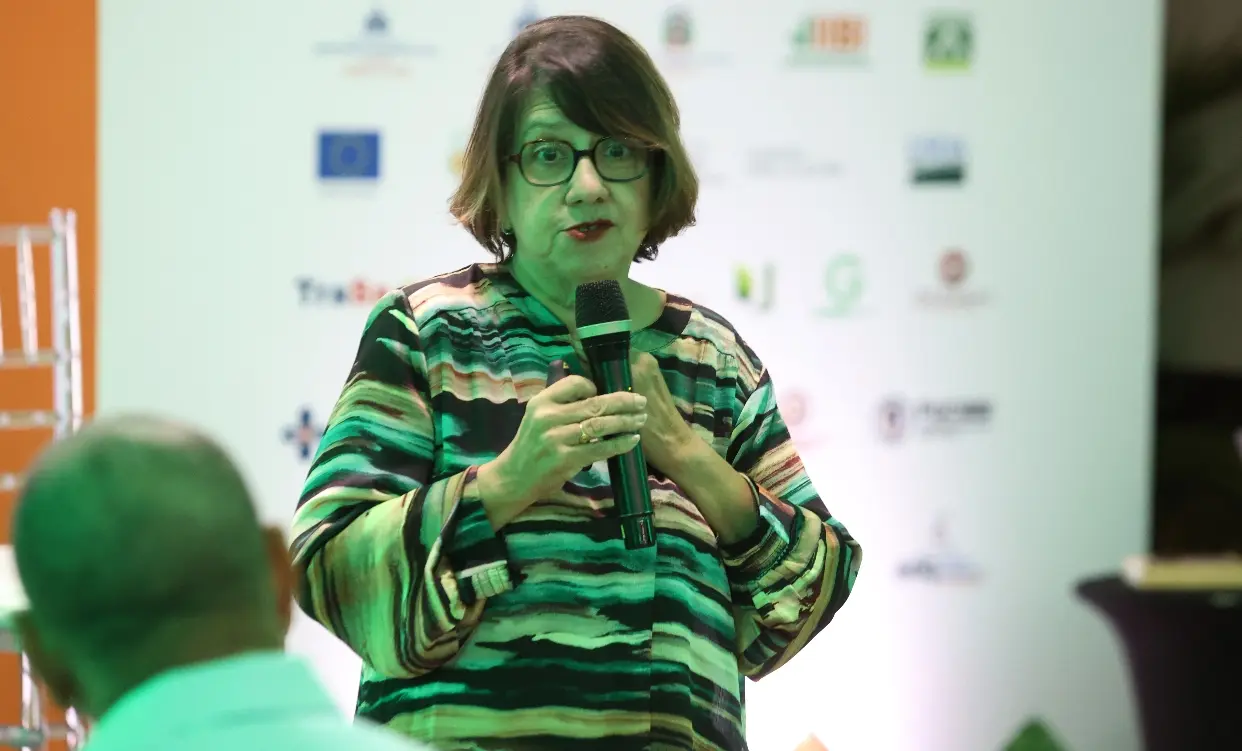
During her presentation at the 2025 Agroalimentaria Fair, international marketing expert Taina Mora delivered a compelling message: Dominican cacao producers must add value to their product through agro-industrial innovation to seize their potential in the global market fully.
Despite global economic shifts, Mora emphasized that the European Union remains the largest and most important market for cacao and chocolate, accounting for 70% of worldwide cacao sales.
“Complying with all the regulations set by the EU is absolutely crucial,” Mora said in her talk titled “The Global Cacao Market: A Mission for Sustainable Enterprises,” part of the fair organized by the Dominican Agribusiness Board (JAD) and ProDominicana.
She reminded the audience that the Dominican Republic is the leading exporter of organic cacao to the EU—a position that must be protected and nurtured.
“Europeans aren’t just major buyers of cacao; they also pay the best prices,” she noted, “because today’s consumers care deeply about fair trade and environmental sustainability.”
Mora pointed out that global cacao prices are currently high due to a supply crisis in Africa, where pests and disease have heavily impacted crops—a situation expected to take 3 to 5 years to resolve.
As a result, she said, cacao prices are forecasted to remain strong—hovering around US$9,000 per metric ton—a golden opportunity for Dominican growers.
She also emphasized the importance of modernizing production.
“One of the biggest challenges for the Dominican Republic is that many cacao plantations are over 60 years old—and so are many of the producers,” Mora explained.
She called for greater youth involvement in cacao farming and urged new generations to take advantage of favorable prices and fresh opportunities.
“We’re also working on an agroforestry initiative,” she added, “where a single plot of land can yield three to four times more cacao using new, improved plants, fruit trees, and modern farm management techniques—as other countries have successfully done.”
To remain competitive and sustainable, Mora concluded, Dominican producers must preserve the value of their cacao through certifications and align with new EU policies, such as the zero-deforestation regulation.