
 Smaller
 Bigger
Four months on, Jet Set nightclub case stalls amid mounting frustration
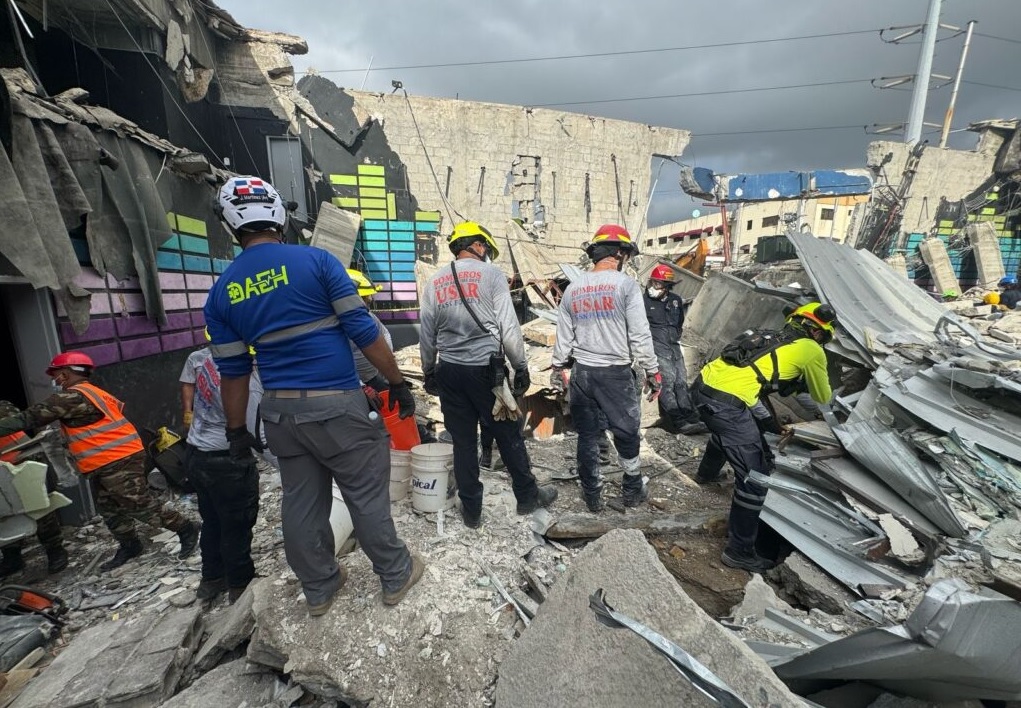
Santo Domingo.- Four months after the deadly roof collapse at the Jet Set nightclub that killed 236 people and injured 180, the criminal case remains unresolved, with no definitive pretrial detention order and no court date set to hear appeals. Families of victims, prosecutors, and legal observers say the slow pace has left justice hanging in limbo.
The tragedy unfolded in the early hours of April 8 during a concert by merengue artist Rubby Pérez, when the nightclub’s roof gave way, trapping hundreds inside. The event had been announced just a day earlier. What followed was a halting legal process that critics say has been marked by delays rarely seen in Dominican courts.
It was not until June 12—two months and four days after the disaster—that prosecutors formally questioned the club’s owners, siblings Antonio and Maribel Espaillat. That same day, both were taken into provisional custody. A week later, on June 19, Judge Fátima Veloz of the National District’s Office of Permanent Attention imposed bail of 50 million pesos, periodic reporting requirements, and a travel ban, but stopped short of ordering pretrial detention.
The ruling drew swift backlash. On June 27, the Public Prosecutor’s Office appealed, arguing that the measures were too lenient given the magnitude of the case. In the second week of July, about 75 relatives and survivors also filed appeals seeking stricter measures, joining the prosecution in pushing for the reversal of the initial decision.
By July 18, the Third Chamber of the Criminal Court of Appeals in the National District had taken possession of the case. Both prosecutors and plaintiffs hoped for a prompt hearing to address what they viewed as a miscarriage of justice. Yet as of August 8, the court had not set a date to consider the appeals, prolonging uncertainty for all parties involved.
With the case stalled, the families of the victims are left waiting for answers, fearing that the combination of procedural delays and judicial inaction could ultimately weaken the pursuit of accountability. For many, the slow march toward justice has compounded the grief and shock of one of the worst nightclub disasters in the country’s history.