

 Smaller
 Bigger
The import of electric cars shows a sustained decline in the Dominican Republic
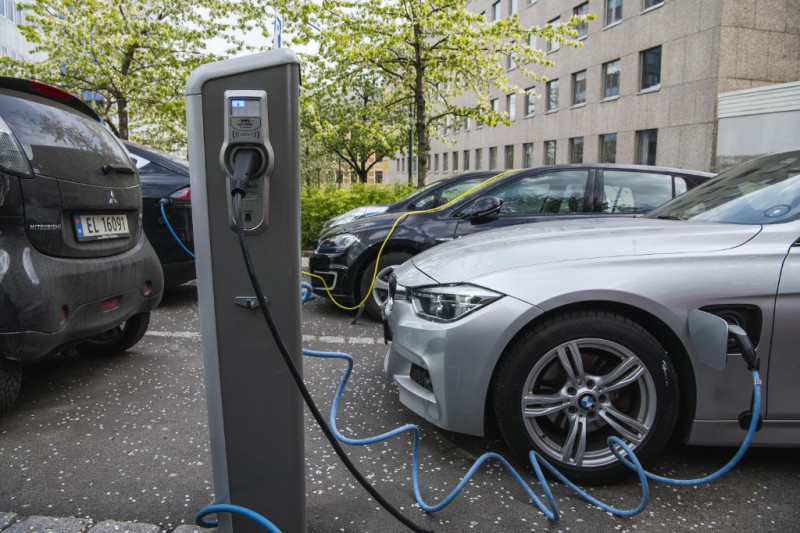
The plan to decarbonize the Dominican vehicle fleet remains a distant goal, with little chance of becoming a reality. Despite incentives established by national legislation and the global advance of electric vehicles as a measure to reduce carbon footprints, the numbers do not paint an encouraging picture. According to data provided to Listín Diario by the General Directorate of Internal Taxes (DGII), between 2017 and 2025, 11,169 electric vehicles have entered the country. The document reveals that in 2025, only 647 units have been imported, nearly a thousand fewer than in 2024. In 2017, four electric vehicles were registered, while in 2018 the figure rose to 38. By 2019, there was a significant jump with 364 additional units. In the following years, growth was even greater: 1,320 units in 2020, 2,620 in 2021, and 2,732 in 2022. The trend changed in 2023, when a sharp decline began, with 1,793 vehicles imported. In 2024, the reduction continued, totaling 1,651 units. So far in 2025, the downward trend continues, with only 647 vehicles entering the country. The authorities have attempted to promote electric mobility through initiatives such as Law 103-03, which encourages the use of clean technologies by granting a 50% exemption on taxes applied to the importation of these vehicles.
The plan to decarbonize the Dominican vehicle fleet remains a distant goal, with little chance of becoming a reality.
Despite incentives established by national legislation and the global advance of electric vehicles to reduce carbon footprints, the numbers do not paint an encouraging picture.
According to data provided to Listín Diario by the General Directorate of Internal Taxes (DGII), 11,169 electric vehicles have entered the country between 2017 and 2025.
The document reveals that in 2025, only 647 units were imported, nearly 1,000 fewer than in 2024.
In 2017, four electric vehicles were registered, while in 2018 the figure rose to 38. By 2019, there was a significant jump with 364 additional units.
In the following years, growth was even greater: 1,320 units in 2020, 2,620 in 2021, and 2,732 in 2022.
The trend changed in 2023, when a sharp decline began, with 1,793 vehicles imported. In 2024, the reduction continued, totaling 1,651 units.
So far in 2025, the downward trend continues, with only 647 vehicles entering the country.
The authorities have attempted to promote electric mobility through initiatives such as Law 103-03, which encourages the use of clean technologies by granting a 50% tax exemption on the importation of these vehicles.















According to some reports worldwide is the incentives to buy EV’s such as tax credits have declined, prices have increased, and a lack of a charging infrastructure. All of the former are present in the RD. The public charging infrastructure of the RD is barely available. Charging at home or work is limited by the cost and placement of dedicated charge equipment, negatively compounded by lack of 24/7 public power distribution in the country. Don’t think the public is willing to buy into something that is more of a nuisance than a help.