 Smaller
 Bigger
From sun and sand to secure minds: the hidden pillar of Dominican hospitality
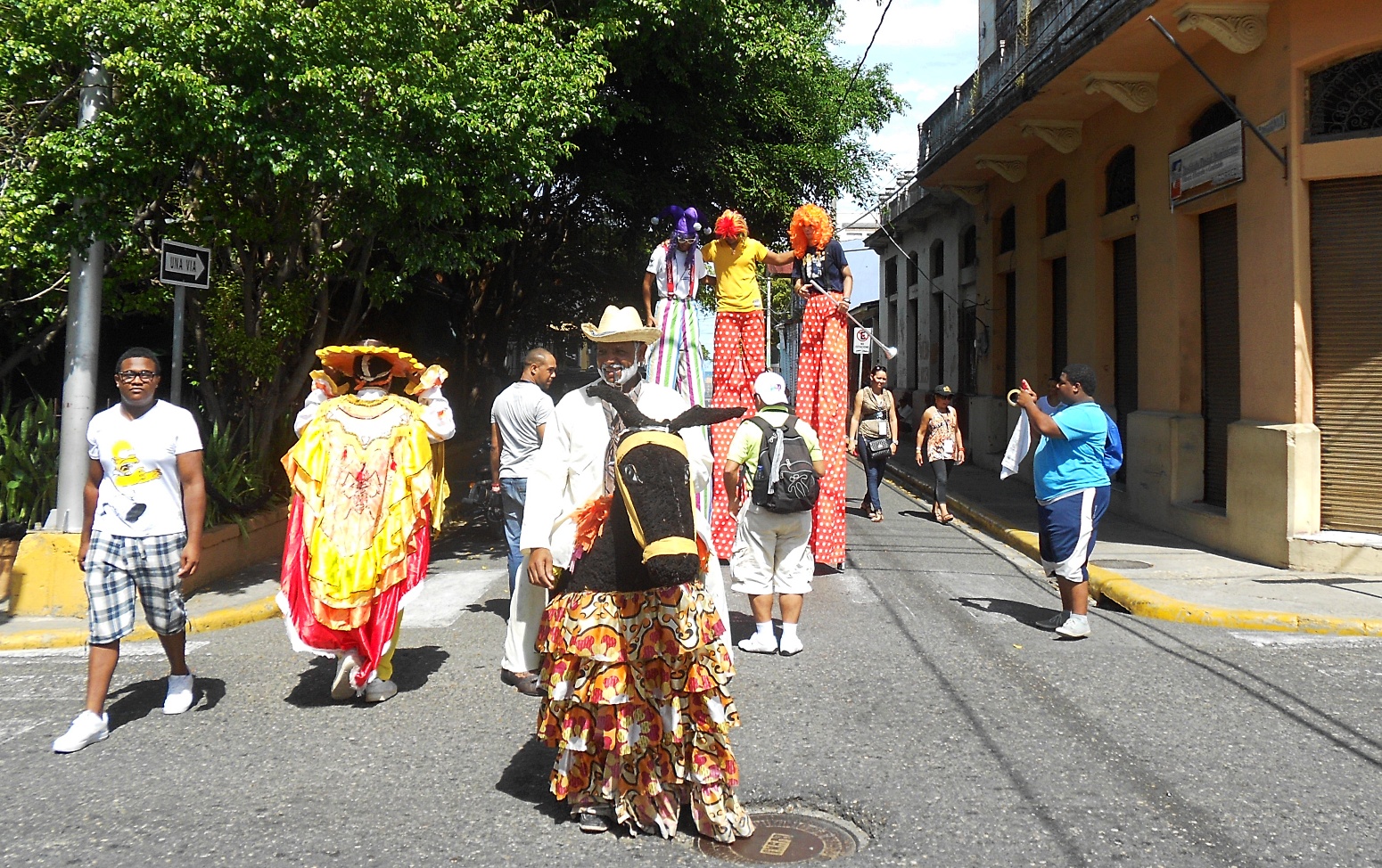
The first tourism fair for the Puerto Plata destination, "Discover POP 2012." (Photo: A. Morales)


The image of a Caribbean tourist destination is built not only upon white-sand beaches and luxury resorts, but also, and fundamentally, upon the human quality and well-being of its hosts. For a country like the Dominican Republic, where tourism is essential to the economy, the mental health of its population goes beyond a social concern, it is a strategic brand asset.
A destination where visitors perceive their hosts as mentally healthy individuals —kind, empathetic, and secure— generates trust and encourages repeat visits. Conversely, the visible presence of people with severe mental disorders or the perception of a tense and vulnerable society can quickly erode tourist appeal and the sense of security every traveler seeks.
The prominent neuropsychologist Norma Duarte, founder of the New Beginning Center (Centro Nuevo Comienzo), is one of the experts who has brought the country’s mental health situation to the forefront, a topic that deserves to be analyzed from this perspective of national development.
Exponential deterioration and the post-pandemic burden
Dr. Duarte warns that the Dominican Republic has experienced a deterioration in mental health that she describes as “exponential,” a historical crisis dramatically exacerbated by the COVID-19 pandemic. In this regard, she cites the World Health Organization (WHO) prediction, which labeled mental insalubrity as “the great pandemic” that would follow the health crisis.
This deterioration, she asserts, manifests in a society where humanism and sensitivity might become diluted, tarnishing the tourist’s hard-won perception of Dominican hospitality. Indeed, the neuropsychologist notes that lack of patience, increased behavioral issues in children, masked childhood depression, and the rise in anxiety and panic disorders are clear indicators of a social fabric under intense pressure.
The lack of management in mental health cases poses a direct challenge to the country’s security and image as a top-tier tourist destination. (Photo: External Source)
The specialist is critical of the historical lack of priority given to this area by governments. Psychological and psychiatric assistance is viewed “pejoratively,” compounding unsustainable systemic barriers: “Sometimes an appointment for a child or a mother takes six months in a Dominican hospital. Imagine the deterioration that implies.” This situation of neglect, in addition to affecting citizens’ quality of life, creates an atmosphere of vulnerability that could inevitably project onto the tourist experience.
Law 12-06 and the urgency of a real protocol
There is cautious hope following the promulgation of Law 12-06 on Mental Health and the Ministry of Public Health’s announcement of a network of centers. However, Dr. Duarte expresses reservations based on a history of promises yet to be fulfilled.
A crucial point the specialist emphasizes is the need for a stricter and more humane assistance protocol. According to Duarte, the law must allow family members and even neighbors with “humanity” to activate a support network to protect individuals in decline, thus preventing tragedies and high-risk situations often seen in public spaces, including areas visited by tourists.
Addressing cases of severe disorders such as schizophrenia, Dr. Duarte stresses that, once diagnosed, these individuals require dignified, different treatment. “While schizophrenia is a disabling and irreversible disease that requires lifelong medication and support, with proper care, a schizophrenic patient can lead a dignified life,” she states.
On several occasions, health and tourism authorities have indicated that people with severe mental disorders and without adequate support wandering the streets is a clear sign of a mental health system in urgent need of attention.
While these are citizens who deserve respect and help, the lack of management of these cases poses a direct challenge to the safety and image of the country as a top-tier tourist destination. Investing in specialized centers and rehabilitation is not only an act of social justice but an investment in the national reputation, especially in a destination like the Dominican Republic, the Caribbean leader in visitor arrivals (the country broke a record in 2024, according to official figures from the Ministry of Tourism (Mitur), with a historical figure of 11,192,047: between 8,535,742 air tourists and 2,656,305 cruise passengers).

Integrating mental health into public policy improves residents’ lives and strengthens the country’s international image as a safe and healthy place to vacation. (Photo: A. Morales)
The challenge of materialism
Dr. Duarte addresses an underlying issue: materialism and the conversion of money into the “God” of humanity. This phenomenon, exacerbated by social media, has resulted in, the neuropsychologist laments, “young people who seek to become millionaires right now and experience great frustration if they don’t achieve quick goals.” This shows that a part of humanity has ceased to be sensitive, to be surprised by evil; for some, everything is simply normative.
According to the doctor, the loss of values is coupled with a worrying lack of humanism observed in certain segments of the medical profession, “where a lack of empathy increasingly prevails, leading to a deterioration of trust in institutions and in the quality of services.” For the tourism sector, this attitude could translate into poor service, rude treatment, and an overall unsatisfactory visitor experience.
A destination with high rates of anxiety, violence, or problematic substance use projects insecurity and social deterioration, which affects its tourist appeal. Integrating mental health into public policies improves the lives of residents and strengthens the country’s international image as a safe and healthy place to vacation.
In bulletin no. 115 of the Interamerican Society of Psychology, Dr. César E. Castellanos, the representative in the Dominican Republic, affirmed that “mental health is a fundamental pillar in the construction of healthy and resilient societies.” He explained that the country has shifted from an institutional model focused on the psychiatric hospital toward more community-based care integrated into the general health system. His points highlight that the quality of life and psychosocial well-being of the population affect social cohesion and the way the nation is projected internationally, a key aspect for understanding the link between mental health and tourist attraction.
In the same perspective of well-being as a strategic value, Dr. Alejandro Cambiaso, president of the Dominican Health Tourism Association (ADTS), has pointed out that this sector contributes over $1.3 billion annually and attracts some 300,000 international patients (a health tourist spends an average of US$7,500, compared to US$1,200 for a leisure tourist).
He emphasizes that the Dominican Republic has consolidated its position as a leading destination in the region thanks to the quality of its medical and hotel services, as well as the trust of the diaspora who return for care. His vision connects with the debate on mental health and tourism: the country’s competitiveness is sustained by the ability to project a healthy society, with physical and psychological well-being, which reinforces its international image as a reliable and hospitable destination.
The key to attracting the most avid traveler goes beyond infrastructure and lies in human capital: a society with emotionally stable hosts, access to efficient mental health services, and a culture of empathy and mutual care constitutes the best “product” a destination can offer the world. A country that looks after the mental health and security of its inhabitants immediately generates an unparalleled ecosystem of warmth. The quality of a destination is ultimately measured by the vitality, pride, and satisfaction of its people and its leaders: this is the guarantee of exceptional tourism.
__________

By Anita González Sigler
Writer, Author, Fashion Designer, Artisan
lunaparche@gmail.com